Ireland's 12,000 Banned Books Leave Justice Ministry for the Archives
Dublin's secret banned books room — 12,000 titles from Wilde to Salinger — moves to the National Archives, with the censors' reasoning opened to the public for the first time.
Programme
- About 12,000 banned books held at the department of justice on St Stephen's Green since the 1920s move to the National Archives after Christmas.
- The collection spans 1926 to 1996, from Wilde's The Picture of Dorian Gray to pulp titles like The Baby Doll Murders.
- The censors' registers, notes and public letters were transferred this week and will become publicly available for the first time.
- Many volumes are fragile first editions and will not be available for public handling, said National Archives director Orlaith McBride.
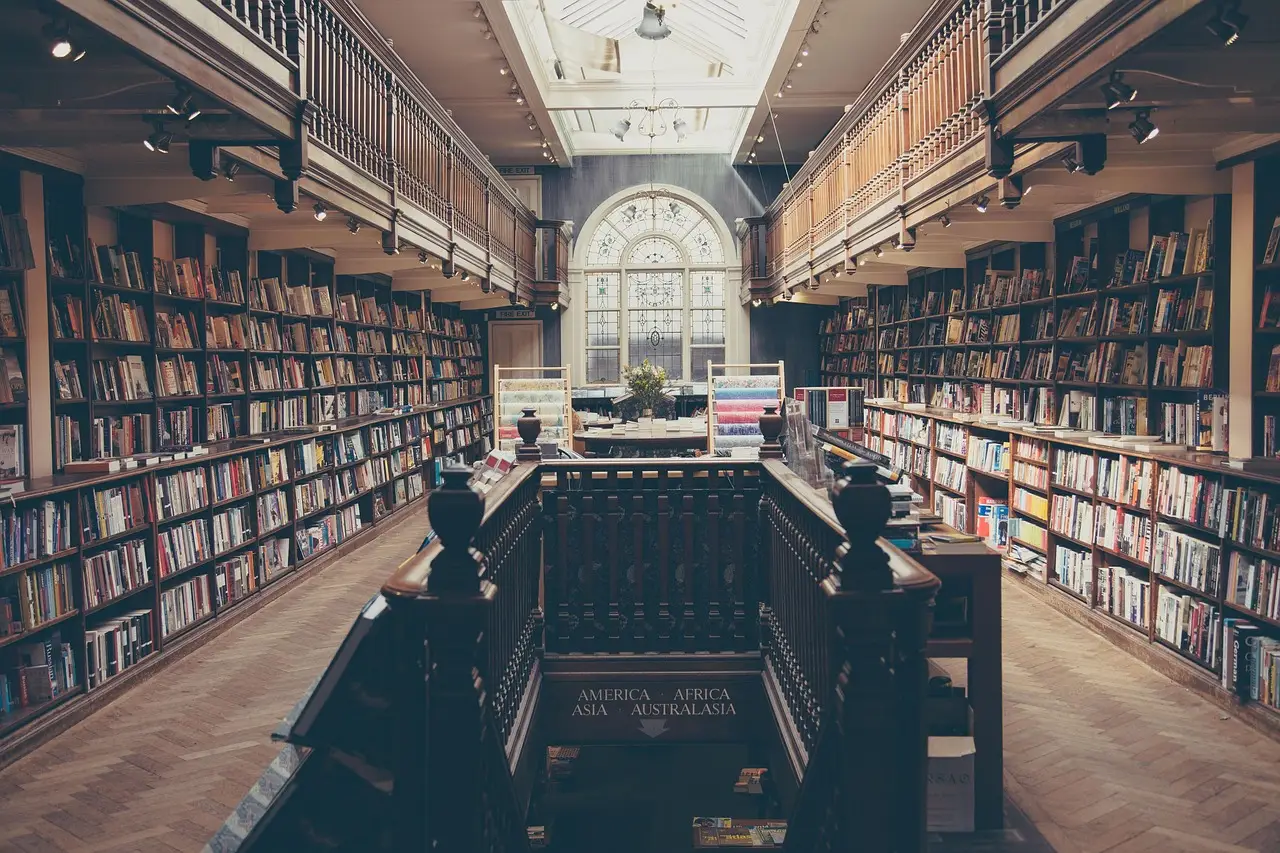
A locked room in Ireland's department of justice on St Stephen's Green, Dublin, has held roughly 12,000 books deemed indecent or obscene for almost a century. After Christmas, the entire collection moves to the National Archives, where the records explaining why each title was banned will become publicly available for the first time.
The volumes were condemned by the Censorship of Publications Board, a state guardian of public morals that banned anything it judged to smell of sex or corruption. Its casualties include Harold Robbins, Ian Fleming, Edna O'Brien, Brendan Behan, Oscar Wilde, DH Lawrence, JD Salinger, John Updike, Iris Murdoch, F Scott Fitzgerald and many more.
The collection spans 1926 to 1996 and covers pulp fiction, high-brow literature and academic texts. The banned list runs from Wilde's The Picture of Dorian Gray, Behan's Borstal Boy and Lawrence's Lady Chatterley's Lover to pulpy paperbacks such as The Baby Doll Murders, A Doctor and his Mistress and Torrid Tale of a Wicked Town. Scholarly works such as Sexual Life in England Past and Present and The Collected Works of Pierre Louÿs, the early 20th-century Belgian poet, ended up in the same room.
What did the censors object to?
"The censors prohibited works that they saw as contravening or subverting public morality – anything that was seen as unwholesome or suggestive of sexual immorality," said Orlaith McBride, director of the National Archives. "It was often just the innuendo of something that could have been perceived as likely to corrupt or deprave."
References to family planning, contraception and violence were likely to draw bans, McBride said. So were images. The cover of O'Brien's groundbreaking 1960 novel The Country Girls drew objection. "It's very subtly done but you can see the contours of the female form. The issue wasn't just the contents but the image," McBride said.
How did the system work?
In 1926, soon after independence, the Irish Free State established the Committee of Evil Literature, a five-man panel charged with protecting public morals. It recommended a strict vetting system, which produced the Censorship of Publications Board – for a time led by a Catholic priest – and an appeals board.
The censors reviewed material submitted by members of the public and by customs and revenue officers. They also sourced books through a subscription to the Times Book Club.
Brian Hughes, a history lecturer at the University of Limerick's Mary Immaculate College, said the board applied a broad definition of indecent and obscene. "I think people would be very surprised seeing these books or reading some of these books to think that they were banned at all in the first place, because attitudes are quite different now. I think it suggests that certainly in terms of printed matter, the written word, there's a much more liberal society. It is a more secular society as well; that's part of it. But I think it's a wider process of attitudes towards sex, sexuality changing."
What will the public actually get?
The transfer comes in two stages. The censors' registers, notes and letters from the public and interest groups moved this week and are undergoing conservation ahead of public release. "They are the most interesting because they record the decisions and reveal the thinking behind the bans," McBride said.
The books themselves follow after Christmas. There is a catch: many are first editions and, in McBride's words, "because of sheer age in a vulnerable state, so they won't be available to the public." Readers can still find the titles online "and in all good bookshops", she said.
What does this change for researchers? A closed state archive of moral policing — seven decades of decisions, rationales and public complaints — becomes primary source material for the study of social history and state control, at the moment Ireland formally repeals its censorship laws.
Source: theguardian.com
More from Tom Whitfield
Show full bio
Market editor covering people, launches and day-to-day practice in arts in the broadest sense at Arts & Voices.
1,406 articles