Isabel Peña's 'The Castle' Turns Spain's Sex Trade Into Must-Watch TV
Isabel Peña's series debut 'The Castle' drew San Sebastián's best Spanish reception, with El Mundo calling it 'the Spanish series of the year' — a €224,000 indictment of trafficking.
Programme
- "The Castle" world-premiered at the San Sebastián Film Festival in late September 2024 as the best-received Spanish title; El Mundo called it "the Spanish series of the year."
- Creator Isabel Peña, co-creator with Rodrigo Sorogoyen of "The Beasts" and "The New Years," makes her series-creator debut with co-writer Eduardo Villanueva.
- The series is set between 1999 and 2004/05 and braids three POIs: a Ucrif police unit, a Colombian sex worker and pimp "El Suizo" (Raúl Arévalo).
- A prosecutor estimates Claudia earned over €200,000 ($224,000) for El Suizo, yet after 4,304 clients she still owes him €300.
- Peña and Villanueva give a masterclass on the series Oct. 22 at Barcelona TV fest Serielizados.
Isabel Peña's series debut "The Castle" ("El Castillo") drew the loudest reception of any Spanish title at September's San Sebastián Film Festival, and Movistar Plus+ is already positioning it as the follow-up hit from the producer of "La Bola Negra." El Mundo called it "The Spanish series of the year." The same review's subtitle reads: "Prostitution Spain: the assumed normality of rape culture." Not exactly a blurb for the tourism board.
Peña, co-creator with Rodrigo Sorogoyen of "The Beasts" and "The New Years," wrote the series with Eduardo Villanueva, her fellow scribe on "Riot Police" (the 2021 series about Madrid police corruption). The comparison is exact. Both shows run genre machinery — a criminal investigation — over a character odyssey set against a damning local backdrop: real estate speculation there, the industrialization of Spain's sex trade here.
The premise, as Peña describes it, is "'Zodiac' with sex clubs." Villanueva and Peña braid three storylines between 1999 and 2004/05:
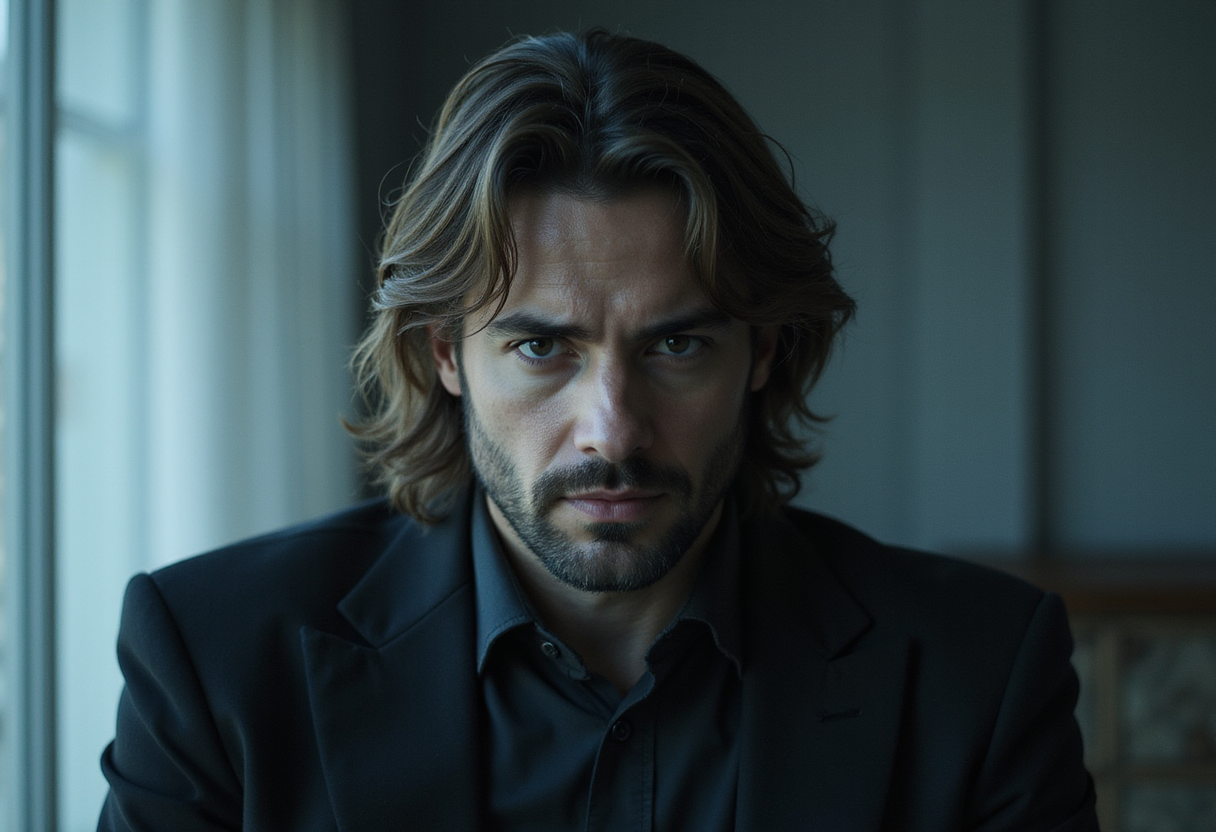
- The cops. Inspector Gerardo Liesa (Omar Ayuso, "Elite") and Carmen Osés (Laia Marull, "Take My Eyes") join Ucrif, Spain's human-trafficking unit, to investigate the illegal immigration of Colombian sex workers. In episode one, their colleagues celebrate a stag night at a brothel. That tells you the unit's starting seriousness.
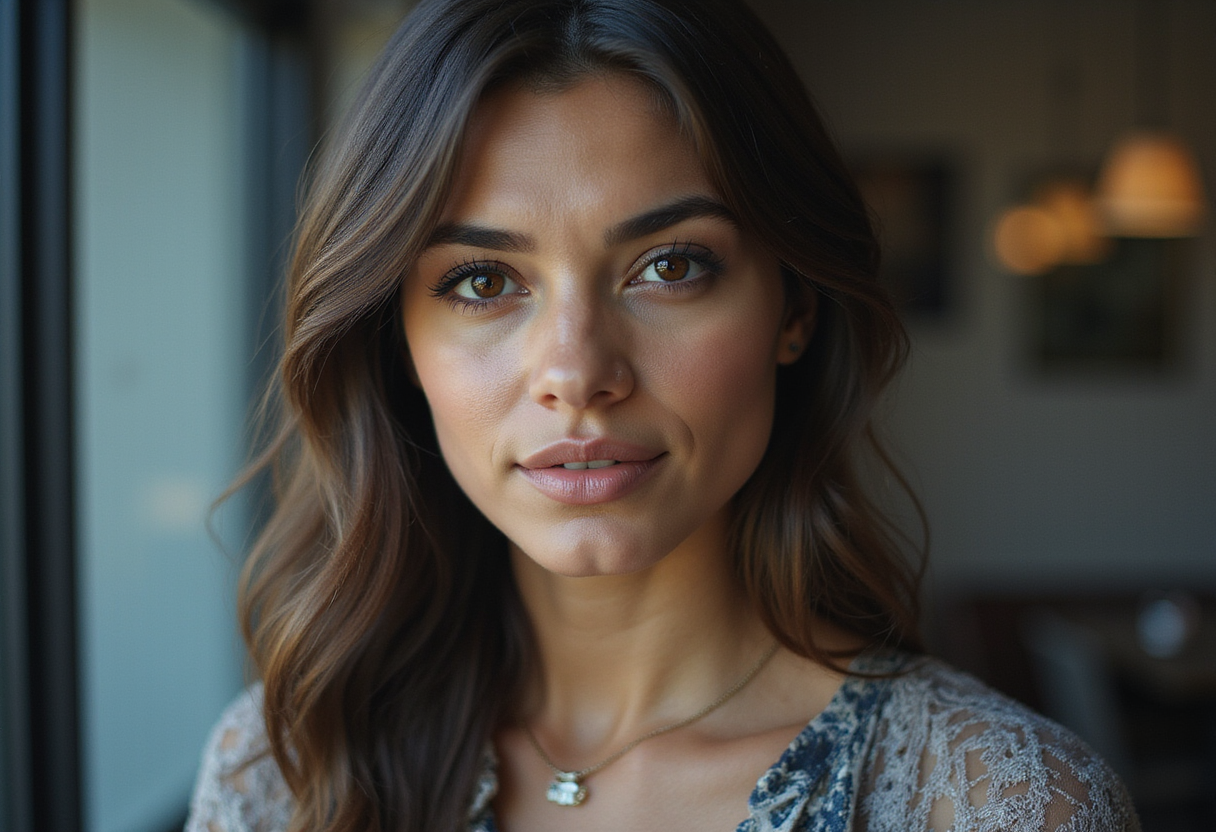
- The victim. Claudia, played by Colombia's Valentina Vidal, is a single mother who volunteers for Spain to pay for her gravely ill son's medical care. The series tracks what that decision costs her.
- The perpetrator. Manuel Muñoz, "El Suizo" (Raúl Arévalo, in an imposing performance), consolidates roadside sex clubs into a macro-brothel network — complete with a marketing campaign, a management board, a trade lobby and a lawyer who installs ATMs for laundering, with a 10% surcharge to boot.
Why three points of view?
The series draws in part on "El Proxeneta," Mabel Lozano's novel narrated in the first person by a prostitution kingpin. "The challenge was to make this narrative more accessible," Peña said at the San Sebastián press conference. The triple structure "allowed us to make 'El Suizo' a criminal, and via Claudia follow with sincerity the sufferings of [sexual extortion] and lend her character emotion. Liesa, for his part, when he begins doesn't understand anything that's going on, so represents the eyes of the spectators."
What do the numbers say?
The show's arithmetic is its sharpest weapon. A public prosecutor estimates Claudia earned over €200,000 ($224,000) for El Suizo. After more than two years and 4,304 clients counted in her notebook, his ledger still shows her owing him €300 ($336) — after charges for upkeep, airfare and lawyer's fees. In a centerpiece scene, El Suizo charges her for extras, then punches her in the face.
How does it handle the sex?
There are only two sex scenes in the series, director Elena Martín ("Creatura") noted, both shot from Claudia's point of view. "We fled from sexualization," Martín said. Claudia appears robotic in both. "In such a painful situation, a woman can just not be there mentally, disassociate herself," Martín added. A key still shows brothel workers lined up to be raffled to university students; Claudia is elsewhere, lost in reverie.
"It turns on the mechanisms of human trafficking, how its criminal structure works, sustaining a business," Martín said of what the series is actually about. Not sex workers — the machine around them.
Juan Andrés García Ropero, Movistar Plus+ Director of Contents, predicted at San Sebastián that "'The Castle' will make a lot of noise and prove a conversation driver." He has been right so far. The conversation continues Oct. 22 at Barcelona's Serielidados fest, where Peña and Villanueva give a masterclass — the first test of whether the noise travels beyond Spain.
Source: Variety Film
More from Daniel Okafor
Show full bio
News editor covering companies, deals and strategy in arts in the broadest sense at Arts & Voices.
527 articles