Italian Art Police Used AI to Recover $200 Million in Stolen Art
Italy's Carabinieri used the AI system SWOADS to flag a stolen 17th-century Saint Agnese painting at a fair, part of $200 million in art recoveries.

Programme
- Italy's art crime squad has recovered over $200 million in stolen art using AI since 2023.
- SWOADS flagged a 17th-century Saint Agnese painting stolen from a Sulmona church in 2004 and altered with painted-over details.
- The system has recovered over 300 paintings and statues and 165,000 small objects.
- SWOADS was built by IT engineer Salvatore Rapicavoli, who joined the squad in 2023.
- The thieves of the Saint Agnese painting remain at large.
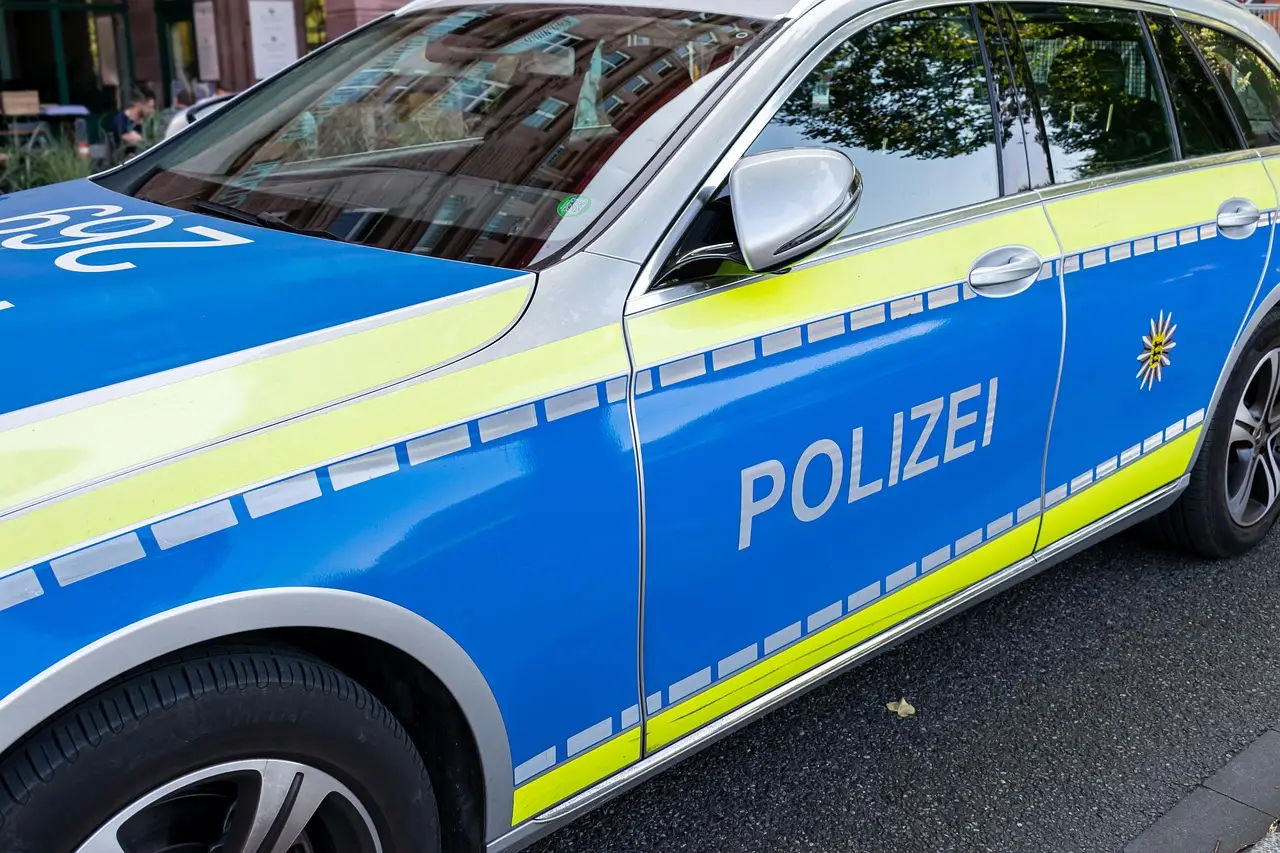
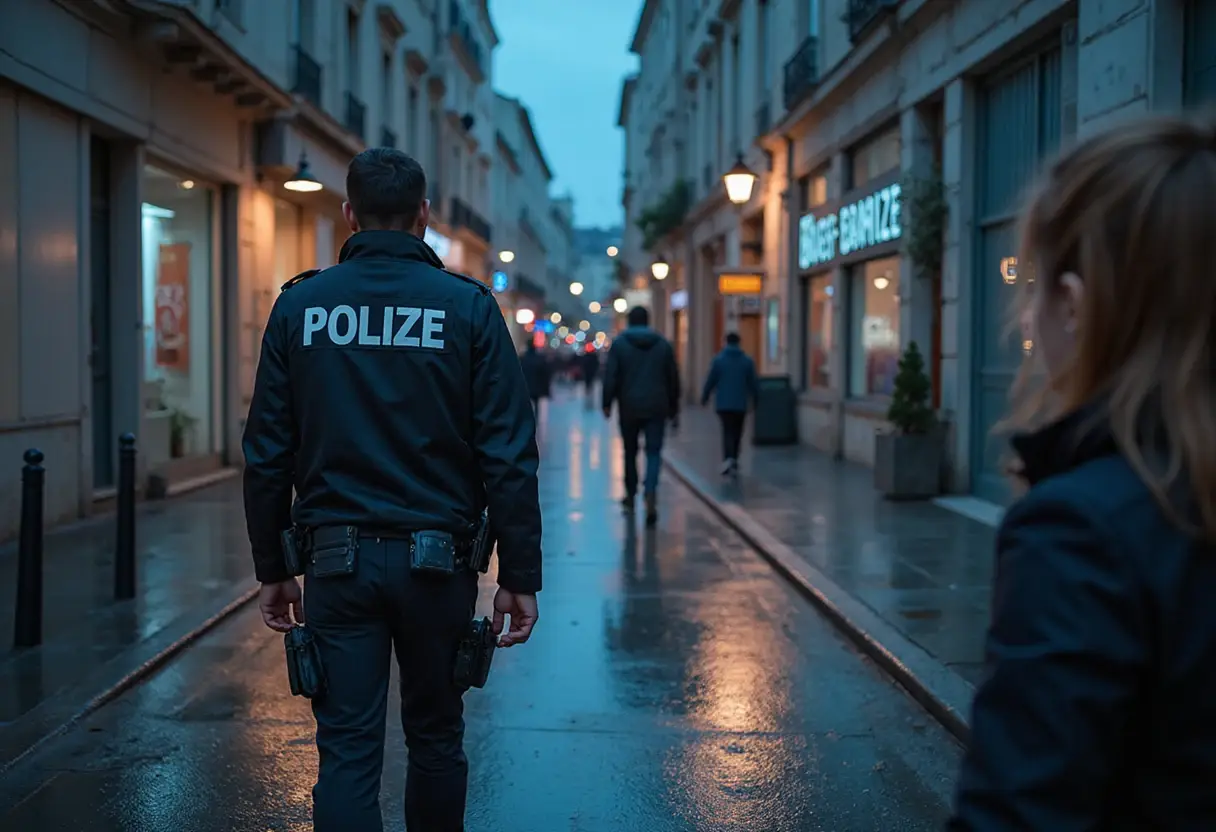
Italy's Carabinieri art crime squad has used an AI system to recover stolen art and antiquities worth more than $200 million, according to the BBC.
The recoveries include more than 300 large paintings and statues and more than 165,000 small objects such as coins, letters and medals. The tool behind the haul, SWOADS — Stolen Works of Art Detection System — has been operational since 2023.
How did AI catch a 20-year-old theft?
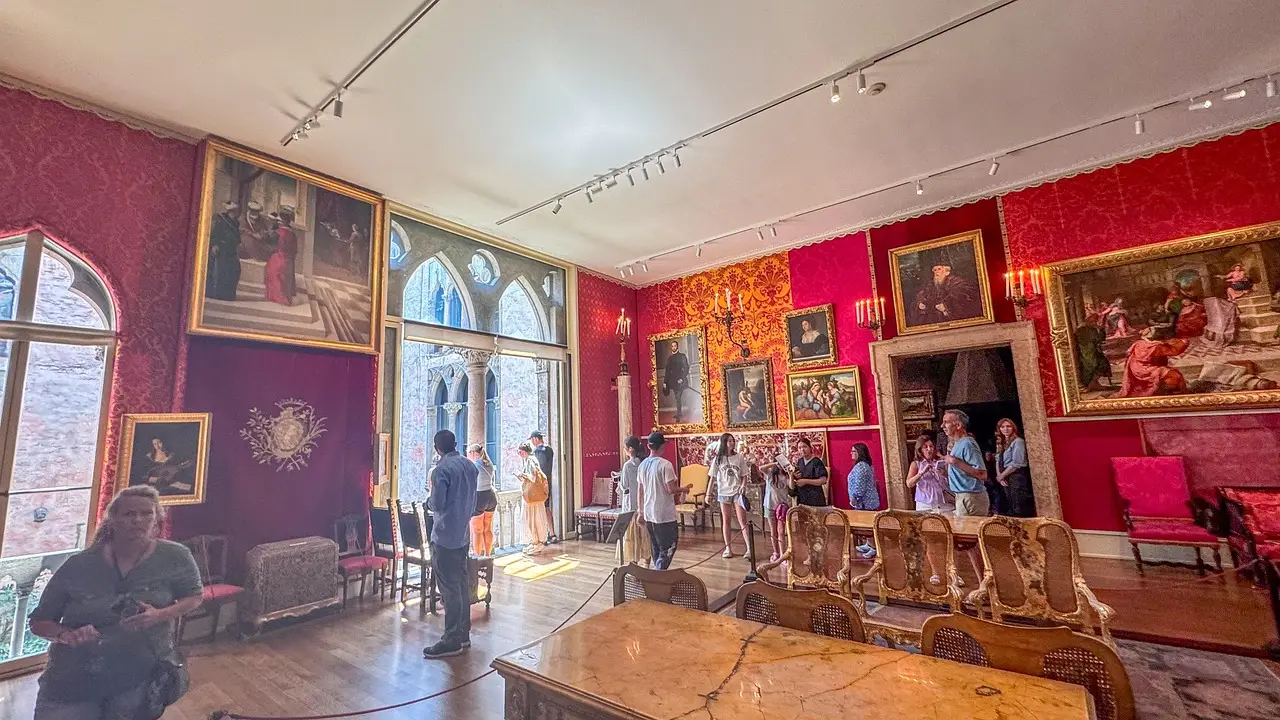
In October 2024, Italian police officers visited Mercanteinfiera, a 40-year-old "antiques village" fair that attracts exhibitors from across Europe. They photographed works on display and uploaded the images to the art crime database. SWOADS flagged one image: a portrait of a young woman holding a scroll.
To the human eye, the painting was a close but not exact match to a 17th-century painting of Saint Agnese stolen in 2004 from Virgo Potens, a small church in Sulmona, in the Abruzzo region, near L'Aquila. At some point during the two decades since the theft, someone had painted over the lamb the saint was cradling in the original, replacing it with a scroll inscribed with Latin text.
The algorithm saw through the alteration. The BBC reports that SWOADS identifies "hidden visual fingerprints in the works — pairing similarities between shades of colour and rough silhouettes."
Who built the system?
SWOADS was developed by Salvatore Rapicavoli, an IT engineer who joined the Carabinieri Command for the Protection of Cultural Heritage, Italy's dedicated art crime squad, in 2023. His stated goal of using technology to solve art crime problems has, by the recovery numbers, been a success.
There are caveats. The system depends on police photographing works at fairs in the first place — it flags matches, it does not find objects nobody has seen. And in the Sulmona case, detection did not lead to prosecution: the thieves have yet to be apprehended, two decades after the theft.
What happens to the recovered painting?
The portrait of Saint Agnese has been returned to the Virgo Potens church, from which it was stolen, according to the Diocese of Sulmona-Valva. The work is back in the setting it was made for.
For the wider trade, the message is blunt: a work altered for twenty years — a lamb painted over, a scroll added — no longer hides an object effectively. Any fair, anywhere in Europe, can now function as a checkpoint.
Original: bbc.com
More from Tom Whitfield
Show full bio
Market editor covering people, launches and day-to-day practice in arts in the broadest sense at Arts & Voices.
940 articles