J.K. Rowling Doubles Down: New 2,000-Word Essay Defends Her Views
Six years after her first essay, J.K. Rowling says her views on trans activism "haven't changed" despite death threats. Her fund backed the U.K. Supreme Court challenge.

Programme
- Rowling published an essay of over 2,000 words on her website on Wednesday, six years after her original essay on trans activism.
- She writes she has faced an "avalanche of death, rape and torture threats" but that her views "haven't changed."
- The J.K. Rowling Women's Fund helped finance the legal challenge behind last year's U.K. Supreme Court ruling on the definition of "woman."
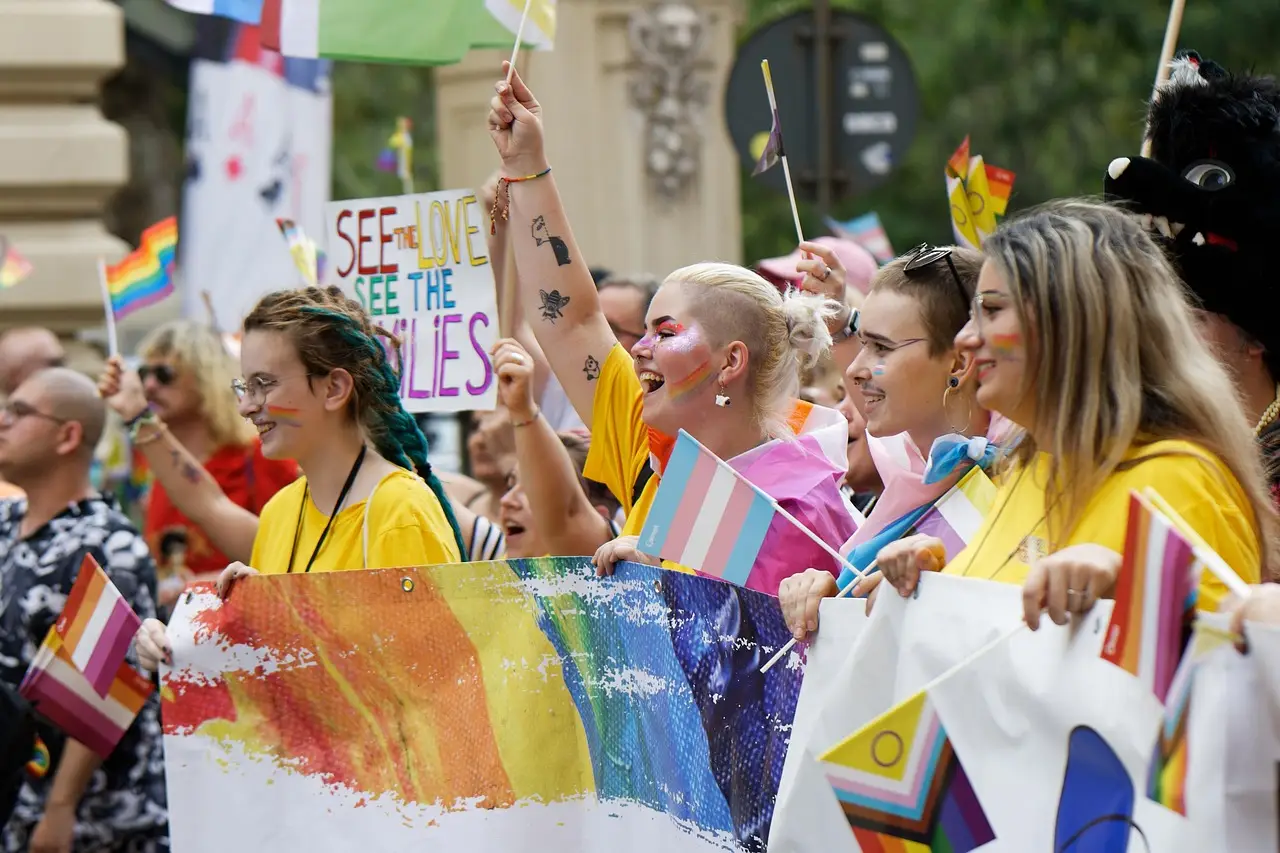
- Last week trans activists stormed the red carpet at the London premiere of "Harry Potter and the Cursed Child."
- "Hogwarts Legacy" sold over 22 million copies in 2023; an HBO adaptation of the books launches this Christmas.
J.K. Rowling has published a new essay of over 2,000 words on her website, declaring that her views on trans activism "haven't changed" despite what she calls an "avalanche of death, rape and torture threats." The piece went up Wednesday. Six years have passed since her original essay on the subject, and she has decided the moment warrants an update.
"My views haven't changed (you can read the original essay here) but the landscape certainly has, and my own involvement in the issue has become practical as well as theoretical, so I thought it was time for an update," Rowling writes in the introduction.
What does the essay actually say?
Rowling restates her objection to what she describes as "the current, dominant strain of trans activism, which holds that a man who declares himself a woman is, literally, a woman, and is therefore entitled to be treated as a woman in all contexts." She then lists the contexts she means: changing rooms, women-only awards and jobs, women's sports teams, breastfeeding and rape support groups, lesbian dating pools, and women's prisons — even for those convicted of rape.
Critics have long labelled her views "anti-trans." Rowling rejects the label. In the essay she concedes there are "without question" vulnerable trans people, writing: "Should trans people be discriminated against when it comes to housing or employment? Of course not. Should trans people be stripped of their human rights, or denied personal safety? Again: of course not."
It's a familiar rhetorical structure: denounce discrimination, then oppose the movement she says promotes it.
What about the Supreme Court ruling?
Rowling references last year's U.K. Supreme Court ruling, which held that the word "woman" in equality legislation refers to biological sex. The J.K. Rowling Women's Fund was among the financial backers of the feminist group that brought the legal challenge, and she says the fund continues to assist others taking legal action.
Her argument about the wider climate is blunt. "For a decade or more, trans activists and acolytes in positions of influence have insisted and behaved as though women's rights were out-dated and even meaningless," she writes. "They created a climate of fear and intimidation whereby a single misplaced pronoun could see a woman disciplined." Her verdict on the present: "That climate persists."
She frames 21st-century trans activism against earlier rights movements. Where civil, gay and women's rights campaigners organised at grassroots level against powerful institutions, she argues, trans activism runs the other way. "Twenty-first century trans activism is the very inverse of those movements," she writes. "It is elitist to its core."
What happens next?
The essay's penultimate paragraph doubles as a mission statement: "I'll continue to speak out, continue to use my money to help women who otherwise couldn't afford to go to court, and continue to ensure that women in my area can still access female-delivered, female-centred support after rape."
The context is combustible. Last week, trans activists disrupted the London premiere of a new version of Rowling's play "Harry Potter and the Cursed Child" by storming the red carpet. The protest hasn't dented the franchise's commercial momentum: "Hogwarts Legacy," the 2023 Warner Bros. Games title, sold over 22 million copies in its release year, Universal Studios' Epic Universe opened new Wizarding World rides last year, and an HBO adaptation of the original books with a new cast launches this Christmas. Rowling, in short, has the platform and the funds to keep this argument running for as long as she pleases.
Original: jkrowling.com
More from Daniel Okafor
Show full bio
News editor covering companies, deals and strategy in arts in the broadest sense at Arts & Voices.
755 articles