James Gleick's The Telephone Traces How AI's Story Already Happened
James Gleick's The Telephone: A New History opens with Twain's 1878 phone romance and traces AT&T's monopoly to its 1984 breakup — a warning that predictions about AI will likely prove as wrong as early ones about the telephone.
Programme
- Mark Twain published the first telephone story in The Atlantic Monthly in March 1878.
- Bell won the telephone patent after his lawyer bribed the examiner with $100 and a gold watch; Elisha Gray's application arrived the same day.
- A federal appeals court ruling in 1956 finally let Hush-a-Phone sell its $10 privacy device against AT&T's ban.
- An antitrust suit broke up AT&T in 1984 after more than a century of monopoly.
- In 1918, the 33 women of Telephone Unit No. 1 shipped to France as the Army's telephone operators in World War I.
Mark Twain published the first telephone story in March 1878, and James Gleick opens his new book, The Telephone: A New History, with it. The tale, "The Loves of Alonzo Fitz Clarence and Rosannah Ethelton," ran in The Atlantic Monthly. Its title characters fall in love, quarrel, reconcile and marry entirely over the phone, without ever meeting.
Twain had signed up for Bell's telephone service in Hartford, Connecticut, in 1877, boasting — incorrectly — that his was the first line "ever used in a private house in the world." In the story, Alonzo seems to be talking to himself in his study in Eastport, Maine, before the reader learns he is speaking with his Aunt Susan in San Francisco.
Twain grasped the technology's strangeness early. "There was a feeble but frantic sound for some little time, as if wool-lipped, disembodied spirits were exchanging kisses," he wrote of his lovers. The questions the story raises — can people be real to one another without physical presence, can there be love without touch — remain live in the age of dating apps and OnlyFans.
What does the telephone tell us about AI?
Gleick, the author of Chaos and The Information, frames the telephone as a technology everyone had heard of and no one fully understood — much like artificial intelligence today. Early predictions about how people would use the telephone proved wildly off base. If the parallel holds, we will not know how AI changes the world until after it happens.
A New York Times article imagined listening to sermons without going to church, joking that rental houses would offer Baptist preachers "laid on in every room," like hot and cold water. In France, the Théâtrophone service let subscribers — including Marcel Proust — hear live opera over the phone. Both treated the telephone as one-way delivery. Its real power lay in being a network of cables spanning continents.
How Bell won, and what it cost
Bell's research aimed not at transmitting voice but at sending multiple telegraph messages simultaneously at different pitches. Experiments with vibrating steel reeds revealed the key principle: sound and electricity speak the same language. Philipp Reis had built a device called das Telephon in Germany in 1861, and Elisha Gray's patent application reached the U.S. Patent Office on the same day as Bell's. Bell won mainly because his well-connected Washington lawyer bribed the patent examiner with $100 and a gold watch.
The Bell System, led by AT&T, became America's most powerful and enduring monopoly — though the economics ran against it. Unlike automobiles, the bigger the network, the greater the cost per call. Within three years Bell shrank from one of four partners to one of 540 shareholders. An antitrust suit broke up AT&T in 1984.
The monopoly enforced its power ruthlessly. When the small company Hush-a-Phone sold a $10 plastic privacy cup for telephone mouthpieces in the 1920s, AT&T threatened to disconnect customers who used it. Only a 1956 federal appeals court ruling secured Hush-a-Phone's right to sell.
The women who ran the network
The telephone pulled women into the public sphere. "A consensus formed that operating a switchboard was women's work," Gleick writes, chiefly because women could be paid less and sat still better than young men. In 1918, the 33 women of Telephone Unit No. 1 shipped to France for World War I, wearing armbands embroidered with "black telephone transmitters and yellow streaks of lightning."
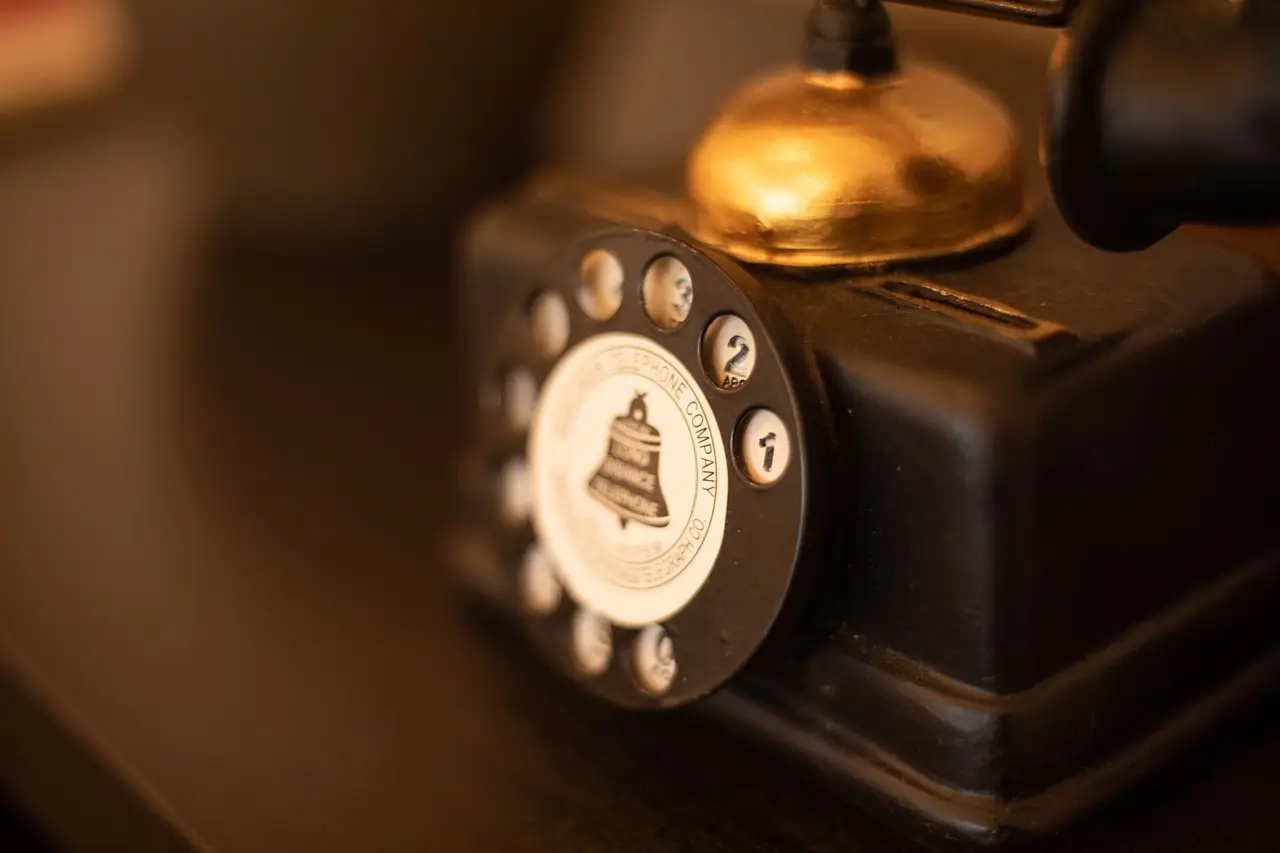
Automation doomed the operators. Around 1910, AT&T's chief engineer estimated that by 1930 a quarter of New York City's population would be needed just to run its switchboards. The rotary dial solved the problem — so novel in the 1920s that phones carried printed instructions: "Remove receiver. Put finger in hole over first figure wanted. Turn to stop and let go."
Gleick's pattern holds across the technology's history: science rose to the demands of business, yesterday's miracle became tomorrow's antique. He ends the book at a disconnected telephone booth in Japan that a local man turned into a shrine for the absent and the dead.
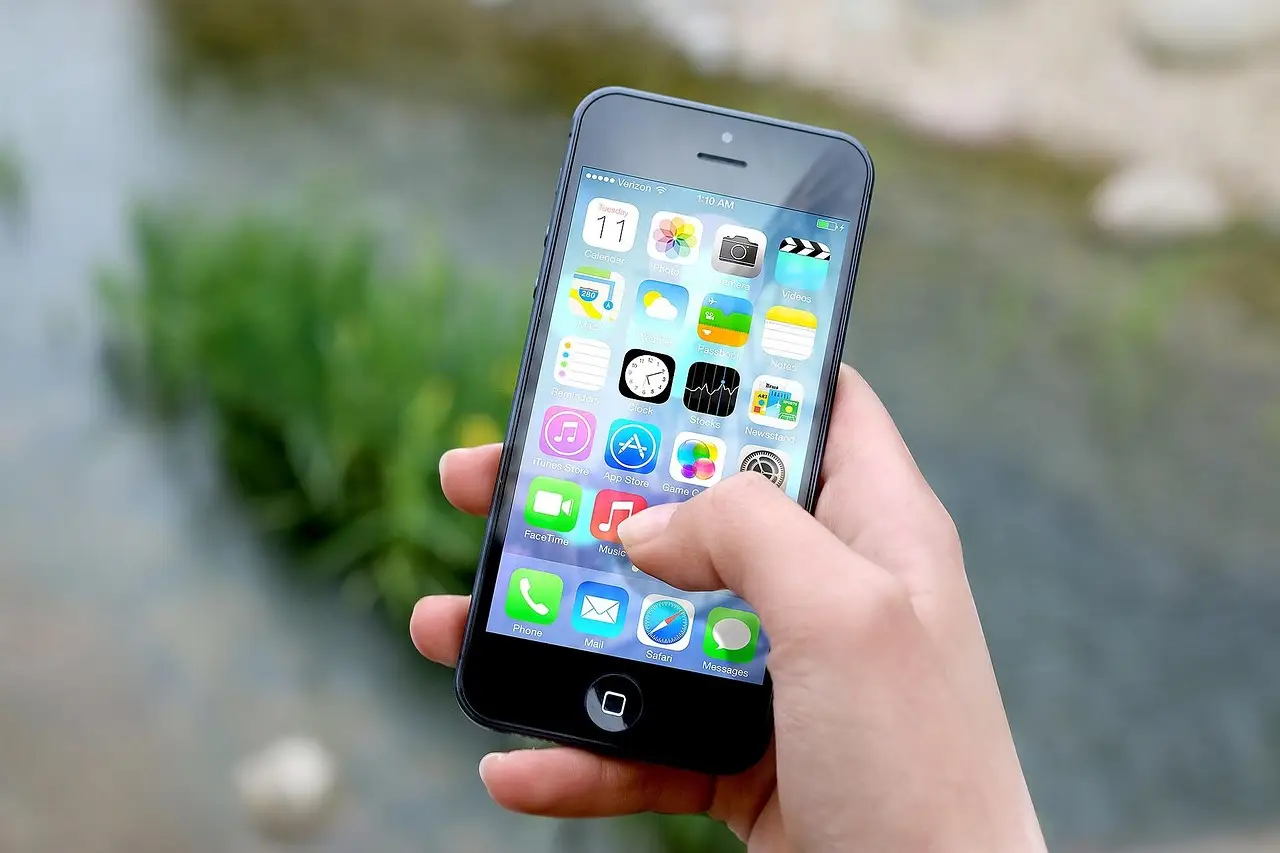
The telephone gave humanity its first taste of the virtual — reality divorced from presence. AI now completes that emancipation, Gleick's account implies, surrounding us with sounds and images that never corresponded to anything real. The device born to bring people together, the reviewer notes, has become our most effective tool of solipsism: no long-distance call can bridge two people absorbed in their phones, sitting side by side.
Source: artsjournal.com
More from Marcus Bennett
Show full bio
Staff writer covering people, launches and day-to-day practice in arts in the broadest sense at Arts & Voices.
1,725 articles