Janet Malcolm Hated Attention. An Archive Made Her a Friend.
Eve Sneider's The Absent Woman traces her years in Janet Malcolm's Yale archive — and the tea invitation that followed a show Malcolm "dreaded" but loved.
Programme
- Janet Malcolm published her first reported long-form piece in 1978, at age 43.
- Jeffrey Masson sued Malcolm for libel in 1984; the case lasted over a decade before she won.
- Malcolm sold her papers to Yale's Beinecke Library in 2013; they opened to the public around 2018.
- Sneider curated an exhibit of Malcolm's papers at Yale in spring 2019.
- The Absent Woman by Eve Sneider is published by W.W. Norton, copyright 2026.
Janet Malcolm turned down a joint eightieth-birthday tribute from New York Magazine in 2014. Joan Didion, her fellow celebrant, presumably said yes to something; Malcolm simply said no. That refusal, recounted in Eve Sneider's new book The Absent Woman (W.W. Norton, 2026), sets the tone for a writer who spent a career avoiding the spotlight her peers chased.
Malcolm was a titan of American letters: a longtime New Yorker staff writer, a member of the American Academy of Arts and Letters, a National Book Award finalist. Yet she almost never posed for photos, sat for interviews or gave readings. At a rare 2012 live conversation with Katie Roiphe at NYU for The Paris Review, she read a pre-written transcript aloud instead of speaking off the cuff. "There was something sublime and deranged about this arrangement," Roiphe later wrote, "but there was also an elegance to her solution: She had found a way to be both present and not, at the same time."
Why did Malcolm retreat from public life?
Several reasons emerge in Sneider's account. Malcolm was a late bloomer, publishing her first reported long-form piece in 1978, at forty-three. In 1984, Jeffrey Masson, the psychoanalyst subject of her book In the Freud Archives, sued her for libel. She eventually won, but the decade-long battle tarnished her image. Meanwhile she published The Journalist and the Murderer, whose opening line — "Every journalist who is not too stupid or too full of himself to notice what is going on knows that what he does is morally indefensible" — became one of journalism's most quoted sentences. Her peers went berserk, Sneider writes, calling her a tattler, a backstabber, a cop, "journalism's school slut."
The court years were, improbably, her most productive. She profiled artists, wrote criticism of books and photography, and produced long-form pieces now recognized as exemplars of the genre.
What does the Yale archive reveal?
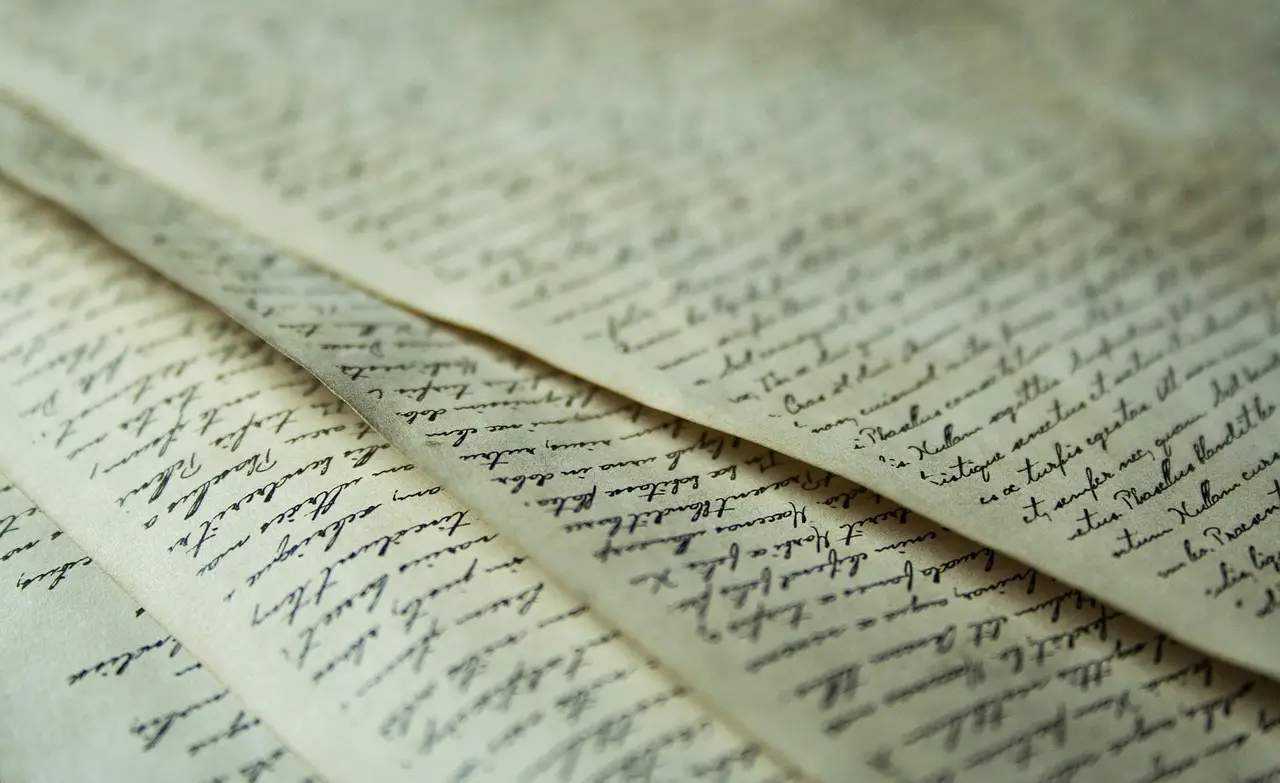
Malcolm sold her papers to Yale's Beinecke Rare Book and Manuscript Library in 2013. Sneider, then a Yale student, began studying them in 2018, among the first researchers inside the Janet Malcolm archive. She found:
- Czech childhood documents and Malcolm's certificate of American citizenship, tucked between folders of correspondence
- typed instructions for a house sitter on caring for her cats and prized plants
- drafts showing Malcolm rewriting a single passage four or five ways before it worked
- letters revealing a genial, curious correspondent who stayed friends with former subjects
Sneider wrote to Malcolm asking for an interview. The reply: "I just never do that. I feel my writing must speak for itself. As Isadora Duncan said, 'If I could talk about it, I wouldn't have to dance it.'"
How did the story end?
In 2019, Sneider curated an exhibit of archive materials at Yale's main library, certain Malcolm would hate it. Instead came an email from Malcolm's AOL account (Despard9, named for a cat). "I dreaded going to see it," Malcolm wrote. "I thought it would embarrass me, and instead it delighted me." She invited Sneider for tea. The two stayed in touch for two years, trading essays and gossip.
The critic James Wood once said Malcolm moves around her subjects "like a janitor at an orgy." Sneider's book, excerpted here with Norton's permission, suggests the janitor eventually let one visitor take off the blinders.
Original: bookshop.org
More from Daniel Okafor
Show full bio
News editor covering companies, deals and strategy in arts in the broadest sense at Arts & Voices.
1,165 articles