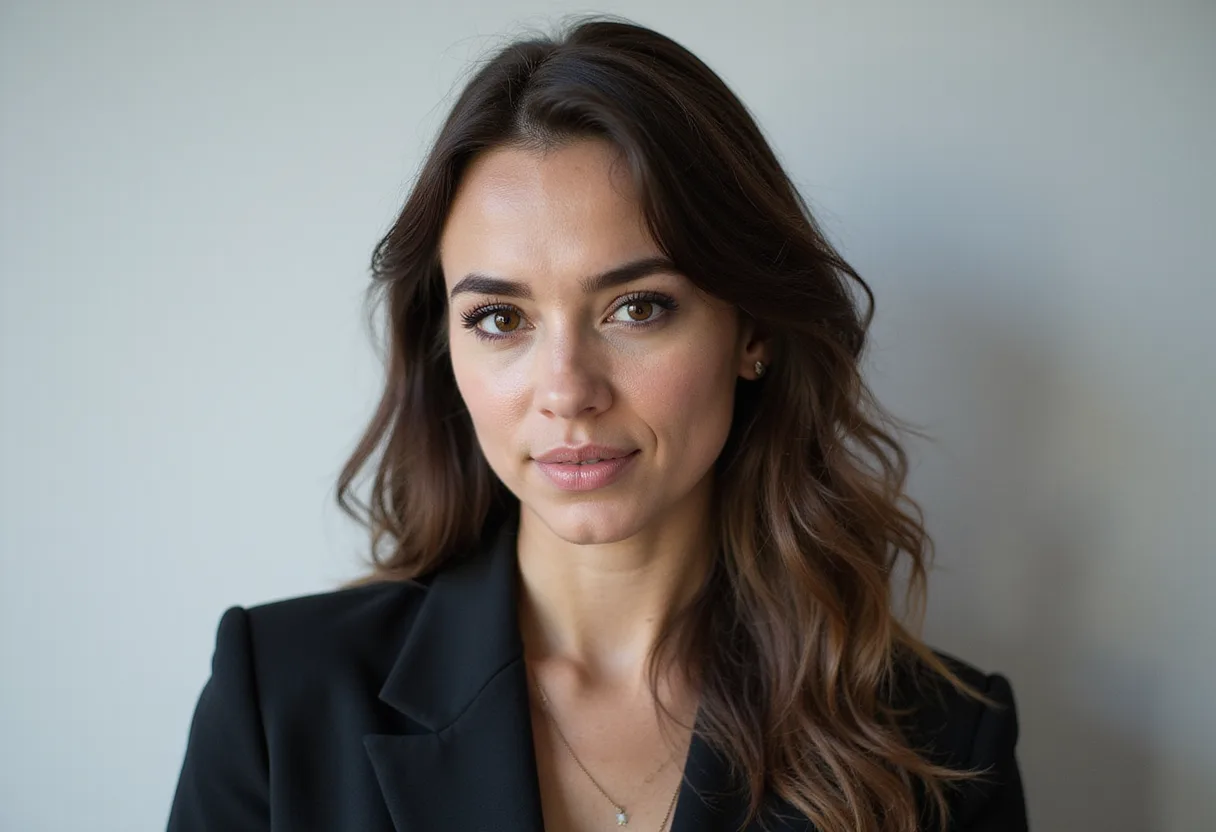
Jennifer Lawrence Says She Confronted Unapproved Crew on Nude Set
Jennifer Lawrence says she confronted unapproved crew during a nude scene and explains why Die My Love lacked a meaningful intimacy coordinator on Call Her Daddy and Las Culturistas.
Programme
- On Call Her Daddy, Lawrence said she “came down hard” on unapproved crew during a nude scene.
- Her stated concern was an 18-year-old unknown actor facing exposure or a reputation for being difficult.
- Her comments about forgoing an intimacy coordinator for Die My Love went viral last year.
- On Las Culturistas, she said Die My Love had no intimacy coordinator, or little meaningful use of one.
- She said she worked 15 hours a day while pregnant on Die My Love.
By Marcus Bennett
Jennifer Lawrence says she “came down hard” on unapproved crew members after discovering them during a nude scene on the Call Her Daddy podcast.
Lawrence said she treated the confrontation as a professional principle, not merely a personal preference. Her concern extended to an 18-year-old unknown performer, who could face the same pressure: object and risk being seen as difficult, or stay silent while unapproved people watched.
What happened on the nude set?
In her account of the incident, Lawrence said:
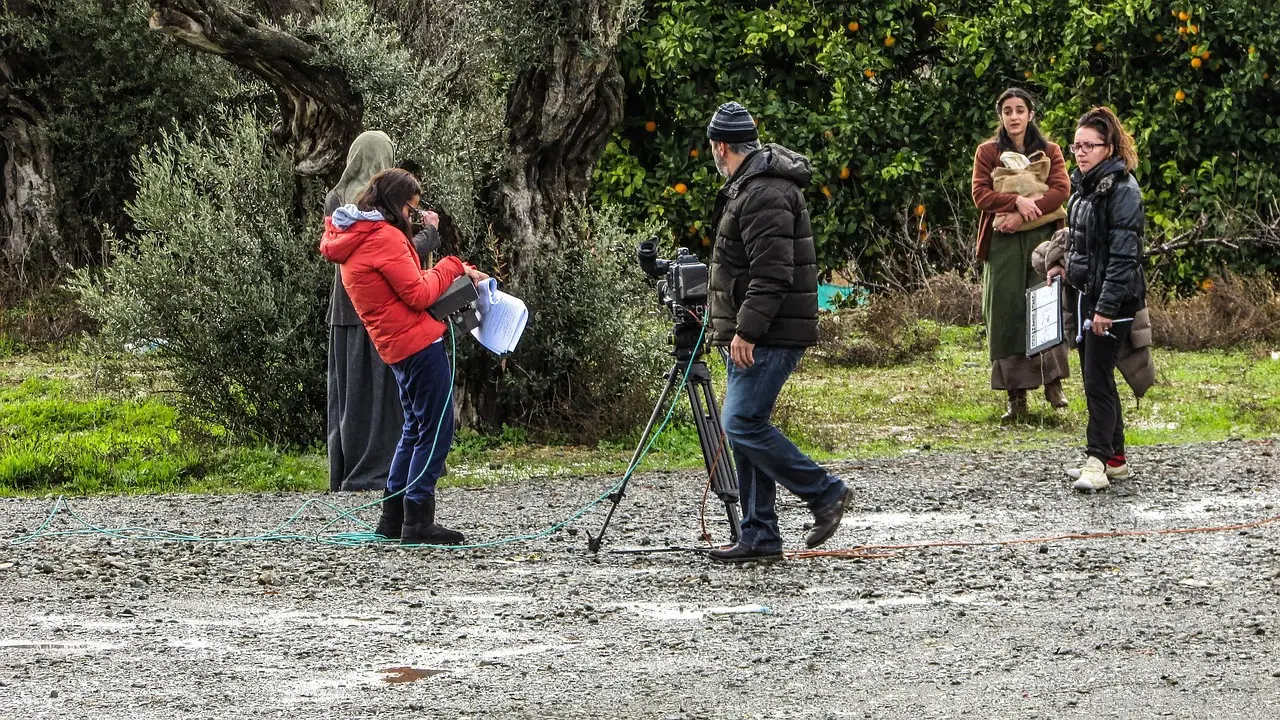
“There was an instance on set where crew members who were not approved when I was doing nudity were on set. I came down hard on it,
purely because if we are not setting that principle then what on earth is going to happen to an 18-year-old unknown when she shows up and there’s people on set who are not approved to be there?
She’s going to be in a position of do I say something and get a reputation for being difficult or do I let these people who I’m not comfortable with see me naked.
It was important to me to explain that to the people why that was not okay.”
Lawrence described the episode as one of the defining moments in her acting career and a lesson in speaking out. She also said she explained to those present why the unauthorized presence was unacceptable.
What does this change for actors on intimate sets?
Asked whether she had become more comfortable advocating for herself over the years, Lawrence answered:
“You have to be malleable. That’s part of the job. When Lynne Ramsay for ‘Die My Love’ says cut your hair and get mullet bangs and dye it platinum blonde… that’s the gig. You have to be malleable. But I definitely speak up more now because I am aware of the place I have in the industry.”
Her answer draws a distinction between adaptability and personal agency. Ramsay’s request for a mullet and platinum-blonde hair falls within artistic direction. An unapproved presence during nudity does not. Lawrence tied her greater willingness to challenge a breach to her standing in the industry.
The practical change for another actor is concrete: name the unauthorized presence, state the objection clearly and do not let concern about being labeled difficult override personal safety. Her example locates the change in practice, rather than in a claim that every set has become safer.
The intimacy-coordinator decision
Her comments about forgoing an intimacy coordinator during Die My Love, her film with Robert Pattinson, went viral last year. She returned to the subject on Call Her Daddy, alongside her account of speaking up more.
On the Las Culturistas podcast, she said:
“We did not have [an intimacy coordinator], or maybe we did but we didn’t really… I felt really safe with Rob,
He is not pervy and very in love with [partner] Suki Waterhouse. We mostly were just talking about our kids and relationships. There was never any weird like, ‘Does he think I like him?’ If there was a little bit of that I would probably have an intimacy coordinator.
A lot of male actors get offended if you don’t want to fuck them, and then the punishment starts. He was not like that.”
Her comments separate two issues that often converge on sets: whether an intimacy coordinator is present and whether the performer feels safe with the person opposite the camera. Lawrence’s decision rested on the latter, while her objection to unauthorized spectators concerned who had approval to enter.
Nudity, artistic freedom and the body
Lawrence also addressed the film’s nude scenes and the bodily expectations surrounding them:
“I don’t care about nudity. I’m not sensitive about it. I wanted Lynne to have total freedom artistically…
I think being pregnant took a lot of, like, vanity anxiety away. Before ‘No Hard Feelings,’ I was dieting and not eating carbs and working out. I was pregnant [for ‘Die My Love’]. Like, what was I gonna do? Not eat? I was working 15 hours a day. I was just tired…
I remember, like, them sending over a close-up of cellulite and being like, ‘Do you want us to touch this up?’ And I was like, ‘No. That’s an ass.’”
Her account brings two forms of pressure into view. One comes from bodies being judged, altered or retouched. The other comes from unauthorized people entering an intimate scene. Lawrence said she could grant Lynne Ramsay artistic freedom over nudity while still requiring approved attendance.
For actors facing a similar breach, Lawrence’s account supplies a practical standard: challenge an unapproved presence at once, explain why the boundary matters, and do not let a reputation for difficulty outweigh personal safety. Her example leaves productions with a concrete test: the boundary must hold before filming begins, not only after an actor decides whether speaking is worth the risk.
Source: Variety Film
More from Marcus Bennett
Show full bio
Staff writer covering people, launches and day-to-day practice in arts in the broadest sense at Arts & Voices.
881 articles