Jenny Holzer Brings Archival Voices to Musée d'Orsay
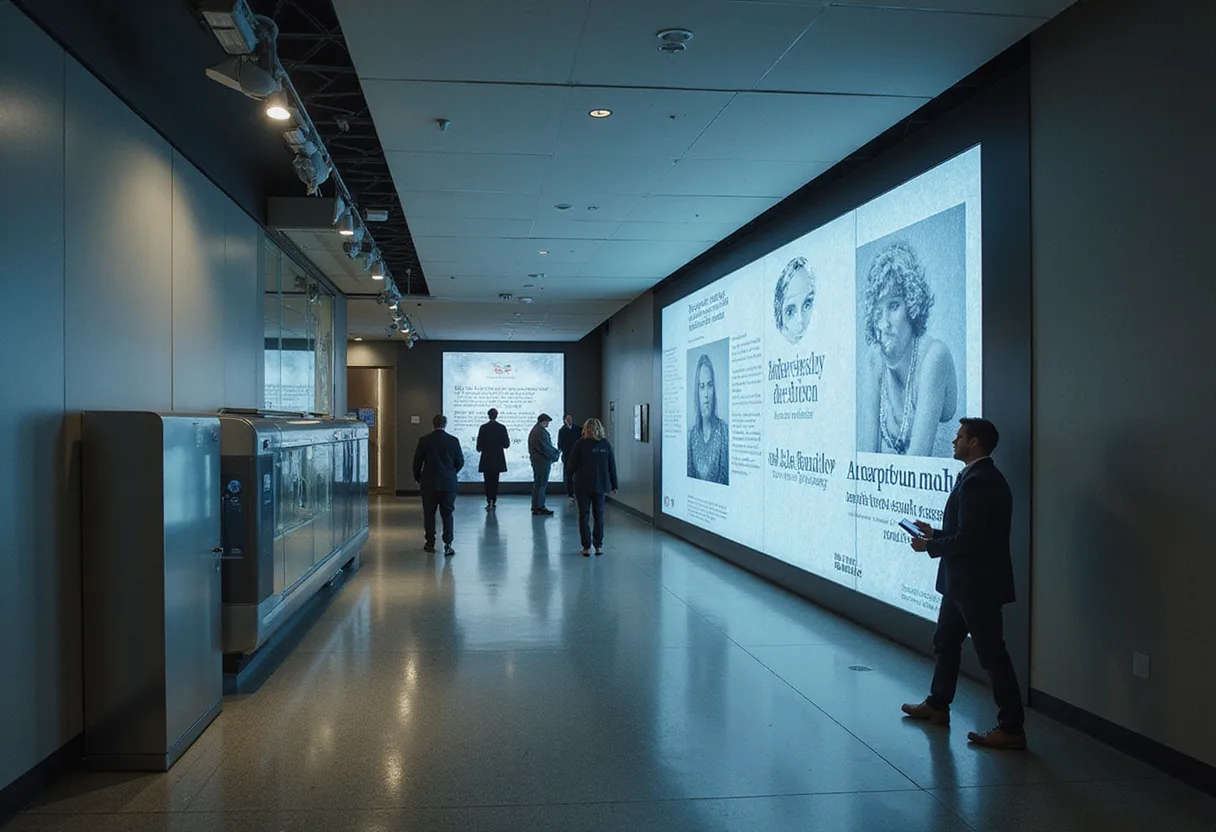
Jenny Holzer's solo show at Paris's Musée d'Orsay builds works from excerpts of archival letters and diaries, using the past to lament the present.
Programme
- Jenny Holzer has a solo exhibition at the Musée d'Orsay in Paris.
- A number of works in the show are based on excerpts from archival letters and diaries.
- The exhibition is framed as resurrecting the past to lament the present.
Jenny Holzer has opened a solo exhibition at the Musée d'Orsay in Paris, and its raw material is the archive itself. Excerpts from historical letters and diaries form the basis for a number of the works in the American artist's show, which frames the past as a lens on the present.
The title of the exhibition, as reported, positions the project plainly: Holzer resurrects the past to lament the present. That formulation is precise. The show does not treat archival documents as neutral historical evidence. It treats them as testimony that speaks, uneasily, to current conditions.
What does Holzer do with the archive?
Holzer has spent her career circulating language in public space. Her earlier works placed texts on LED signs, plaques and projections, often using official or aphoristic phrasing to expose how power communicates. The Musée d'Orsay project extends that method backward in time.
She draws excerpts from letters and diaries — private, first-person documents — and lifts them into the museum's galleries. The gesture converts individual testimony into public address. Visitors encounter the words of people who wrote under pressure, in ordinary handwriting, now staged within a national institution devoted to the nineteenth century.
The Musée d'Orsay is a deliberate venue. Its collection preserves the art of a period marked by war, political upheaval and rapid industrial change. Holzer's archival excerpts sit against that backdrop. The correspondence of earlier generations, shown in a building filled with that era's paintings, sharpens the contrast between then and now.
What does this change for the artist's work?
The show confirms a shift in Holzer's practice from the invented text toward the found one. Where she once wrote her own statements, she now increasingly curates the words of others — soldiers, civilians, witnesses — and lets their documents carry the argument. The lament named in the exhibition's framing belongs to the sources as much as to the artist.
For the Musée d'Orsay, the exhibition continues its policy of inviting contemporary artists to intervene in its historical holdings. Holzer's installation demonstrates how that programme can turn archival research into new work rather than commentary alone.
The Paris show runs at a moment when Holzer's practice of embedding text in institutions feels newly charged. By grounding the exhibition in letters and diaries, she gives the past a speaking role in present debates — and gives visitors a document-based encounter with history rather than a purely aesthetic one.
Source: NYT Arts
More from Marcus Bennett
Show full bio
Staff writer covering people, launches and day-to-day practice in arts in the broadest sense at Arts & Voices.
627 articles