Journalists Are Leaving Newspapers to Become YouTube News Anchors
Kevin Roose, Joanna Stern and Kyle Buchanan have left major papers to host YouTube shows, joining 200-plus creator-journalists on a platform now outcompeting television for attention.
Programme
- More than 200 creator-journalists now work on YouTube, per the Independent Journalism Atlas.
- Kevin Roose left the New York Times in 2025 to launch "Machine Gods" with Casey Newton, airing twice weekly and syndicated on NPR.
- Joanna Stern departed the Wall Street Journal in April 2025 to start "New Things," interviewing Mark Zuckerberg and Satya Nadella.
- Netflix sponsored the debut of "The Kyle Buchanan Show," hosted by the former Times Hollywood reporter.
- "Longform" co-host Aaron Lammer estimates interview shows need roughly twenty episodes before they find their footing.
Kevin Roose left the New York Times this year to host "Machine Gods," a YouTube talk show about the AI boom. He's not alone: at least four seasoned journalists launched their own YouTube programs in 2025, betting the platform that beat television can also sustain serious news.
The shift is measurable. According to the Independent Journalism Atlas, thousands of people now identify as creator-journalists, and more than two hundred of them work on YouTube. The arrivals this year read like a masthead: former Times reporter Max Fisher began hosting the general-interest series "The Bigger Picture" in January. In April, tech journalist Joanna Stern left the Wall Street Journal to launch "New Things." Kyle Buchanan, a longtime Hollywood reporter for the Times, quit to create "The Kyle Buchanan Show," interviewing actors and directors. Tom Willis, a London writer and reading-series host, started the "Tom Willis Talk Show," interviewing novelists on a Charlie Rose-esque stage set.
What's actually new here?
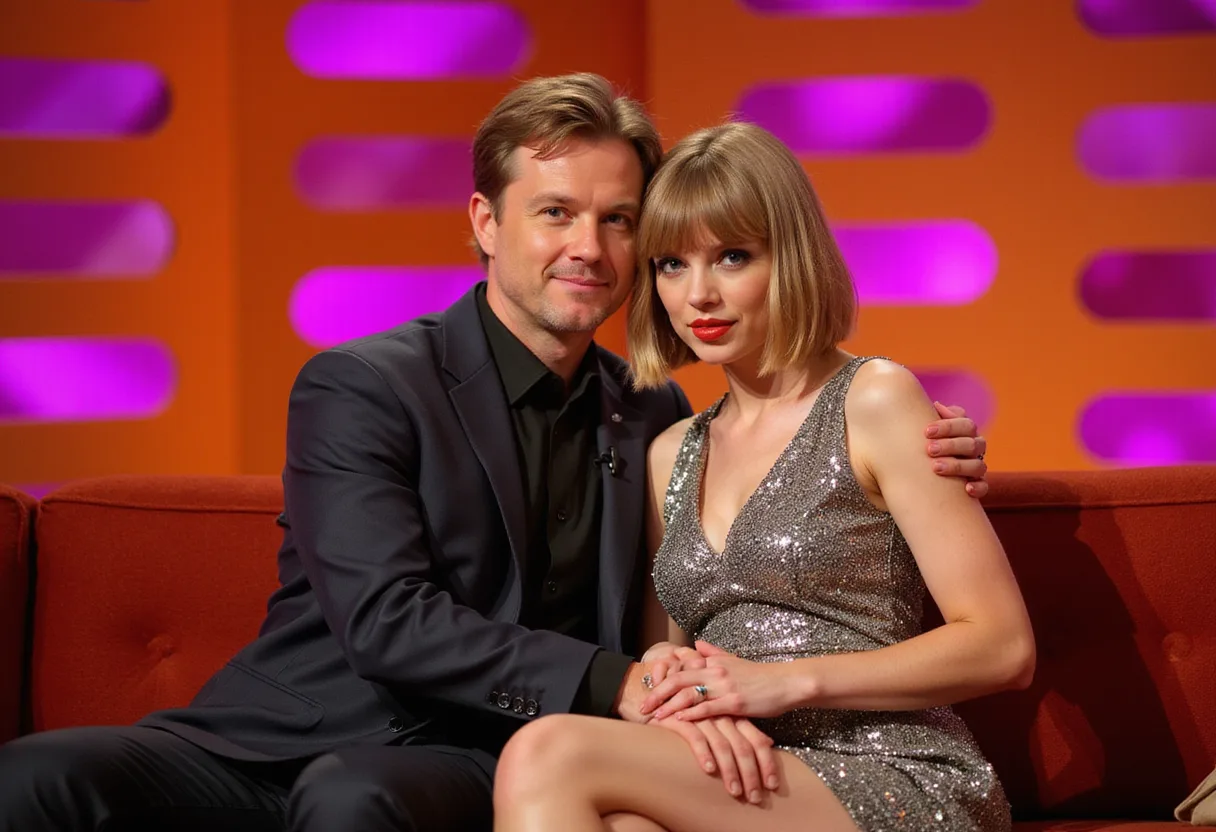
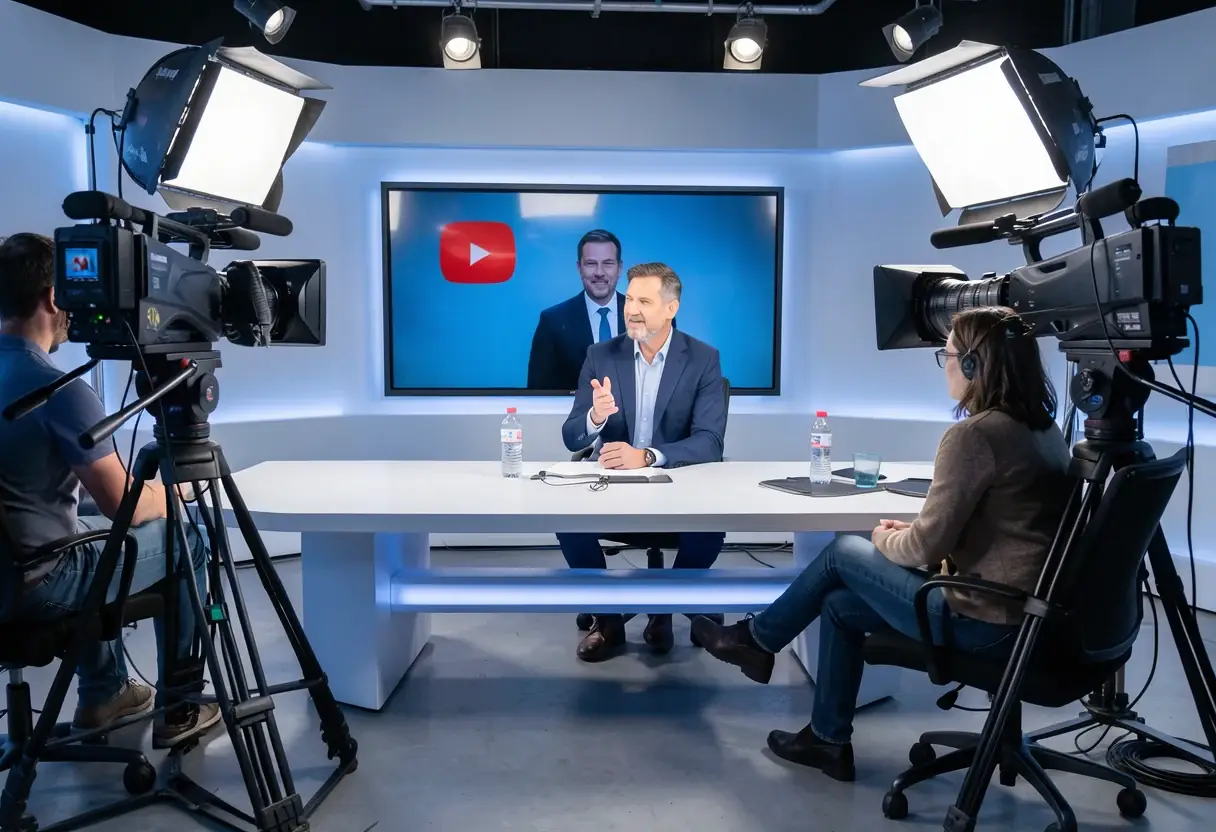
These aren't video podcasts. The new model looks more like late-night television: plush seating, soft lighting, multiple simultaneous camera angles, curated outfits, and a choreographed mix of formats. Most productions also run podcast feeds, but the visual grammar is TV.
The money follows the polish. Roose and his co-host, independent journalist Casey Newton, fund "Machine Gods" through ads, syndication deals with NPR, and nonprofit funding. Others self-fund with their Substack subscription revenue. Brands are moving in fast: Netflix sponsored the debut of "The Kyle Buchanan Show."
Buchanan's production shoots in a red-leather booth on a set resembling a Hollywood restaurant, complete with a jingle and an intro sequence. It airs twice weekly, alternating long-form interviews with panel discussions on entertainment news — who will be the next James Bond, how "You Can See Everything" might fare at the Oscars. His industry contacts deliver names like producer Jason Blum, actor Bill Hader, and horror star Inde Navarrette. By the end of her episode, Navarrette summarized her ambitions in strikingly defensive terms: "I want people to know that they don't have to like me—I just want them to trust me."
Does the format work?
Not always. The genre of journalist-interviews-celebrity-on-camera sits in a strange middle ground, according to the source review. Buchanan's conversation with Hader — a friend of decades — flows loosely, but he treats Navarrette with an overeager solicitousness that makes for uneasy viewing.
"Machine Gods," which also airs on NPR and runs twice weekly, has favored riffy commentary over original reporting so far. Its recurring news-brief segment, "Pandora's Box," leans on a visual gag of hosts pulling notes from a physical box leaking smoke. The show's strongest moment was a notable interview with Mikita Balesni and Tomek Korbak, two AI-safety researchers recently fired from OpenAI while working with the auditing organization METR. That segment suggests where these shows excel: documenting subjects too niche for cable.
Stern's "New Things" takes the opposite approach. She hosts figures like Mark Zuckerberg and Satya Nadella for "60 Minutes"-style interviews and stages stunts — building a robot to test the dual-screened iPhone's folding capabilities. Her work looks made for television, while Roose and Newton simply televise the NPR studio.
Fisher anchors "The Bigger Picture" like a global-affairs newscaster, complete with charts, from what appears to be a dark basement studio. Willis may have found the best fit. His show has the improvisational feel of community television, and he understands that amateur messiness sometimes plays better online than polish. Outfitted by Drake's, per the credits, he conducts interviews of up to an hour with guests including novelist Anika Jade Levy and author Geoff Dyer. Levy dryly described the subject of her 2025 novel, "Flat Earth," as "the ambiguity of, like, hyper-transactionalized social configurations."
What does this change for viewers?
The honest answer: patience is required. Aaron Lammer, co-host of the influential "Longform" podcast, put it directly: "I think the experience of an interview show for the first few episodes is kinda weird." He suggested you need to hang around through twenty episodes before things get interesting, as an archive builds and a parasocial relationship (the one-sided bond viewers form with onscreen hosts) develops. Not every ambitious YouTube show will clear that threshold, the source argues — but Willis's, at least, should. A podcast is not a television show, but a good conversation works in any medium.
Source: artsjournal.com
More from Grace Kim
Show full bio
Correspondent covering technology and product news in arts in the broadest sense at Arts & Voices.
1,537 articles