Kamal Aljafari's A Fidai Film Turns Seized Archives Into Art
Kamal Aljafari's A Fidai Film reclaims archive footage seized by Israeli forces in Beirut in 1982, transforming scratched reels into a montage of resistance.
Programme
- Kamal Aljafari's A Fidai Film is a Palestinian collage film built on seized archive material.
- Israeli forces raided the Palestine Research Centre in Beirut in 1982 and seized the archive.
- Most of the seized Palestinian documents are believed to remain with the Israeli army.
- The film's footage, obtained clandestinely, is scratched, grainy and pixelated.
- Aljafari overlays the images with poems by Palestinian authors.
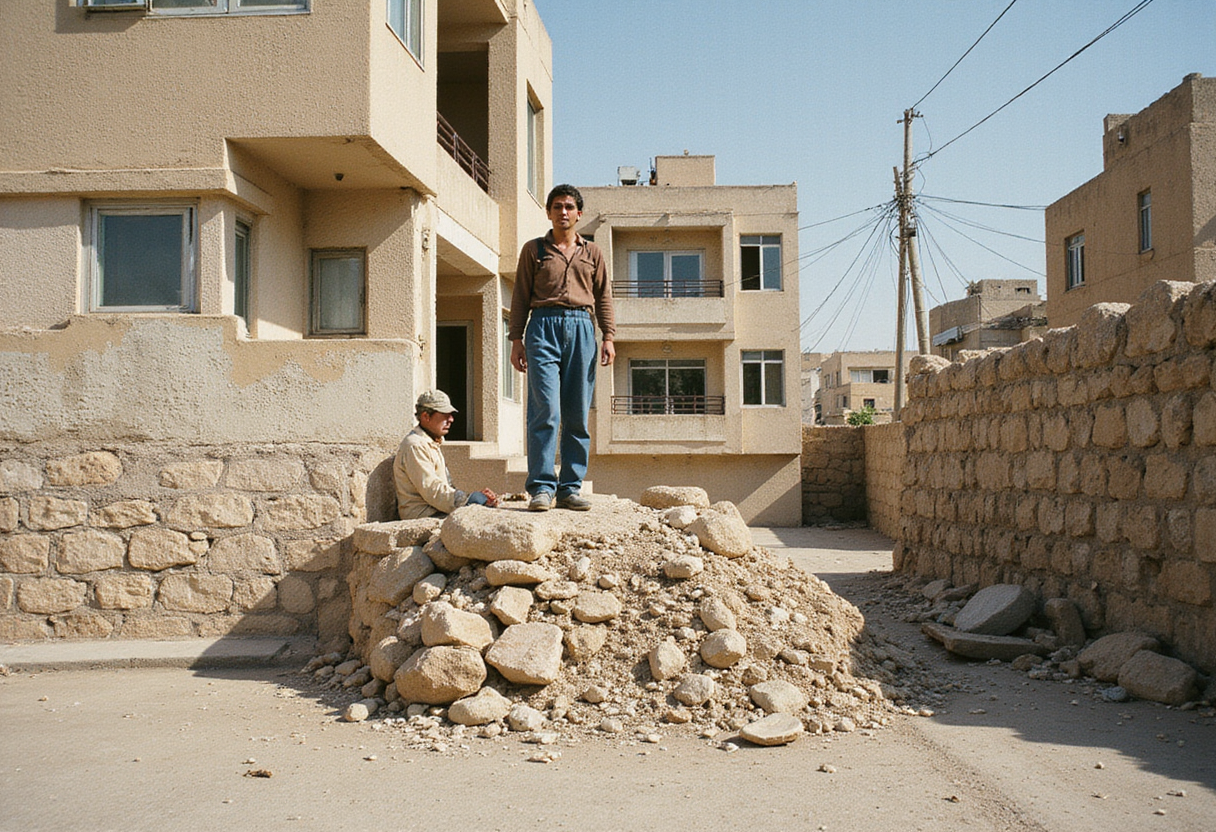
Palestinian film-maker Kamal Aljafari builds his collage film A Fidai Film from archive material seized by Israeli forces from the Palestine Research Centre in Beirut in 1982, during the Lebanese civil war. Most of the seized documents — books, newspapers and audiovisual artefacts charting Palestinian history — are believed to remain in the hands of the Israeli army, according to the film's framing of its own provenance.
The title carries weight. In Arabic, "fidai" means someone willing to sacrifice themselves for the greater good, a word sometimes used in a military context. Aljafari borrows it to stage what critics describe as a potent uprising of images against propaganda and historical erasure.
The footage itself bears the physical traces of political suppression. Obtained through clandestine means, the images arrive scratched, grainy and pixelated. Yet through the power of montage, Aljafari draws startling visual parallels that point to the relentless violence endured by Palestinians across the decades.
What does the montage reveal?
The film's structure replaces chronology with recurrence. Black-and-white footage from the British mandate era shows soldiers patrolling streets and inflicting violence on the Indigenous population. Similar acts, committed later by Israeli forces, echo across the reels.
Instead of a timeline, the editing builds continuity through images that return again and again:
- torn-down houses
- terrorised children
- the bodies of Palestinians killed by occupation forces
Aljafari overlays these frames with poems by Palestinian authors, adding a layer of humanity to material that documents destruction and death. The result transforms suppressed footage into works of art rather than evidence alone — the images speak as cinema, not only as record.
Why does the 1982 seizure matter?
The archive at the centre of the film was once housed at the Palestine Research Centre in Beirut. When Israeli forces raided the centre in 1982, they seized the collection. The film's use of material believed to be still held by the Israeli army turns every scratched frame into a small act of repossession: footage that resurfaced through clandestine channels now circulates publicly, restored to view if not to its owners.
A Fidai Film joins a growing body of work by Palestinian artists who treat damaged and displaced archives as raw material, arguing that the condition of the image — its grain, its gaps, its pixelation — is itself testimony to what was done to the people it depicts.
Source: Guardian Film
More from Elena Vasquez
Show full bio
Senior reporter covering media and advertising at Arts & Voices.
423 articles