Kehinde Wiley Returns to the Gallery With 'What the Light Becomes'
Kehinde Wiley debuts 'What the Light Becomes' amid five misconduct allegations he denies, a pending 2025 lawsuit, and a State Department removal of his embassy painting.
Programme
- Kehinde Wiley debuts the series 'What the Light Becomes' this week amid unresolved allegations.
- Since 2024, five individuals have accused Wiley of sexual assault or rape; he denies wrongdoing and has never been charged.
- A 2025 lawsuit by one accuser is ongoing in New York Supreme Court.
- In August, the State Department removed Wiley's 2015 painting from the U.S. embassy in the Dominican Republic, calling it 'aesthetically terrifying.'
- In May, Wiley became a single father via surrogacy and an anonymous egg donor.
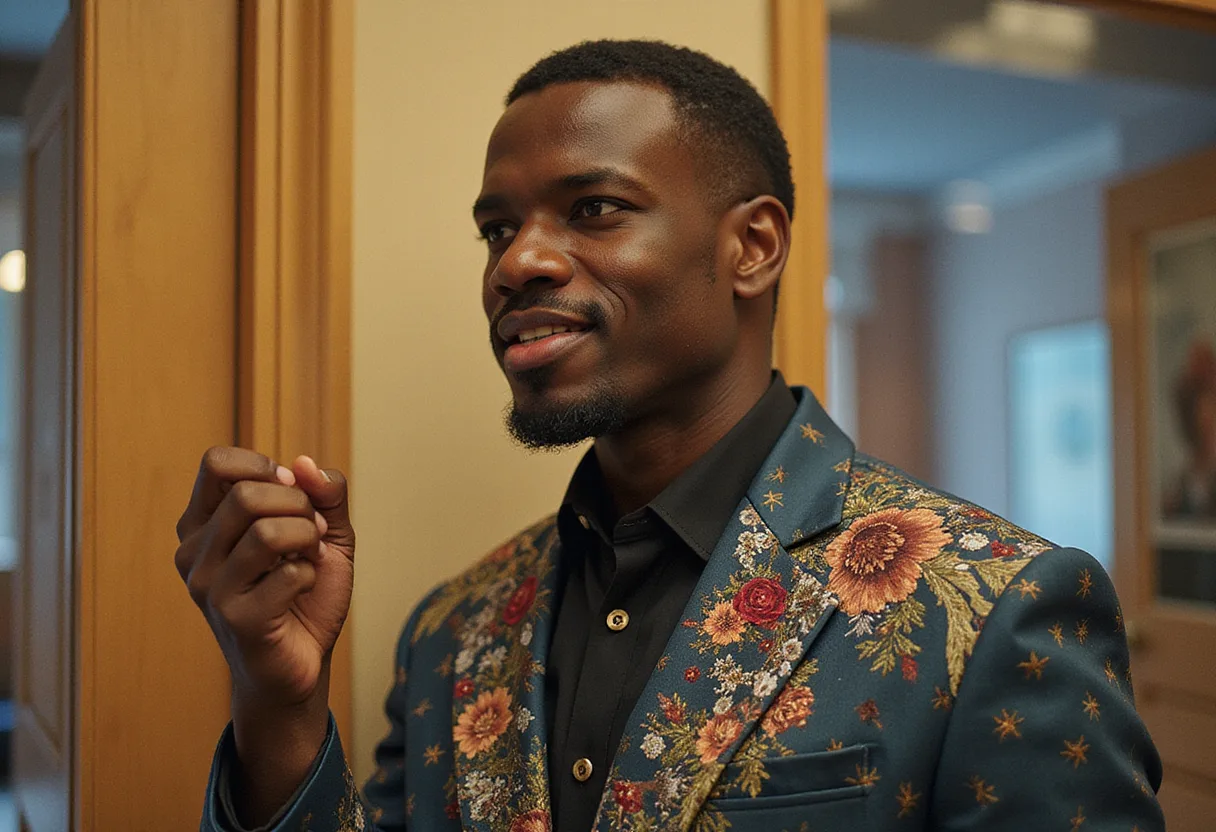
Kehinde Wiley returns to the gallery world this week with a new series, "What the Light Becomes" — his first public artistic statement since five individuals accused him of sexual assault or rape beginning in 2024, according to The New York Times.
The show opens under conditions no dealer would choose. Wiley has denied any wrongdoing and has never been charged with a crime. Even so, the fallout has been concrete: several museums canceled his exhibitions, an auction house pulled his paintings from sale, and a lawsuit filed in 2025 by one of his accusers is still working through New York Supreme Court.
How the ascent stalled
Wiley's rise was unusually fast. Just three years out of art school, in 2004, he received a major exhibition at the Brooklyn Museum. Still in his 20s, his ornate portraits of Black subjects in historical poses drew collectors from New York to the White House. In 2018, he unveiled his official portrait of President Obama and became a household name.
Then came the allegations. With the accusations unsettled, Wiley stepped back from public engagements, though he still appeared at events with celebrity friends like Alicia Keys and Kevin Hart. The Times reports this detail without comment; the appearances complicate any simple narrative of withdrawal.
A new chapter, on paper at least
In May, Wiley became a single father, welcoming a son through surrogacy and an anonymous egg donor. He started painting again in New York. The new works are, as before, vibrant portraits that overturn the European old-master hierarchies of power, race and privilege. He even returned to his old process, casting his models from chance encounters on the street.
What the paintings themselves argue, versus what the courtroom will decide, are now two separate tracks. The gallery opening gives Wiley a venue; it does not resolve the litigation.
The State Department intervention
In August, Wiley re-entered the headlines through the Trump administration. The State Department announced it had removed one of his paintings from the U.S. embassy in the Dominican Republic, calling it "aesthetically terrifying."
The stated reasons shifted. An official initially justified the removal on the basis of the sexual misconduct claims. But the U.S. ambassador to the Dominican Republic said on a radio show that she disliked the 2015 portrait for its subject matter — what she had perceived as a lesbian picnic. Wiley said she was wrong; the painting depicts four art students. Another official referred to the artist as "the gentleman who did Obama's portrait."
The sequence matters. When a government gives one reason for removing art, then a second, inconsistent one, the first reason loses force. Critics of the removal now have the ambiguity to point to; defenders of the embassy's decision have to explain both statements.
What does this change for Wiley?
The show answers one practical question: galleries are willing to exhibit him again. It answers nothing about the 2025 lawsuit, the canceled museum shows, or whether institutions that cut ties will restore them. The auction house that pulled his paintings has announced nothing.
The Times account, by reporter Zachary Small, who covers the art world's relationship to money, politics and technology, documents the facts without predicting outcomes. That restraint is the correct read. A commercial comeback and a legal reckoning can proceed in parallel, at different speeds, with different verdicts.
Until the New York Supreme Court case concludes, every claim in this story — the denials, the accusations, the ambassador's reading of the painting — remains exactly that: a claim. "What the Light Becomes" will be judged first as commerce, then, eventually, as evidence of nothing more than an artist still working.
Source: NYT Arts
More from Tom Whitfield
Show full bio
Market editor covering people, launches and day-to-day practice in arts in the broadest sense at Arts & Voices.
1,063 articles