Kelp Forest Returns to Santa Barbara Channel, Documentary Charts Triumph
A pilot that cleared purple urchins from San Miguel Island restored a one-acre kelp forest. A $700,000 grant expands the work, and the film Harvest to Heal premieres November 12.

Programme
- Divers cleared purple urchins from a one-acre site at San Miguel Island, about 45 miles offshore, starting summer 2025.
- The Ocean Protection Council granted $700,000 to continue the restoration, led by the Bay Foundation.
- Harvest to Heal, a 52-minute documentary, premieres November 12 at 3:30 p.m. at the Arlington Theatre.
- Harvesting began at Refugio State Beach cove in October with Reef Check monitoring.
- Marino Soil Foods is building an Oxnard plant to convert thousands of pounds of urchins into fertilizer.
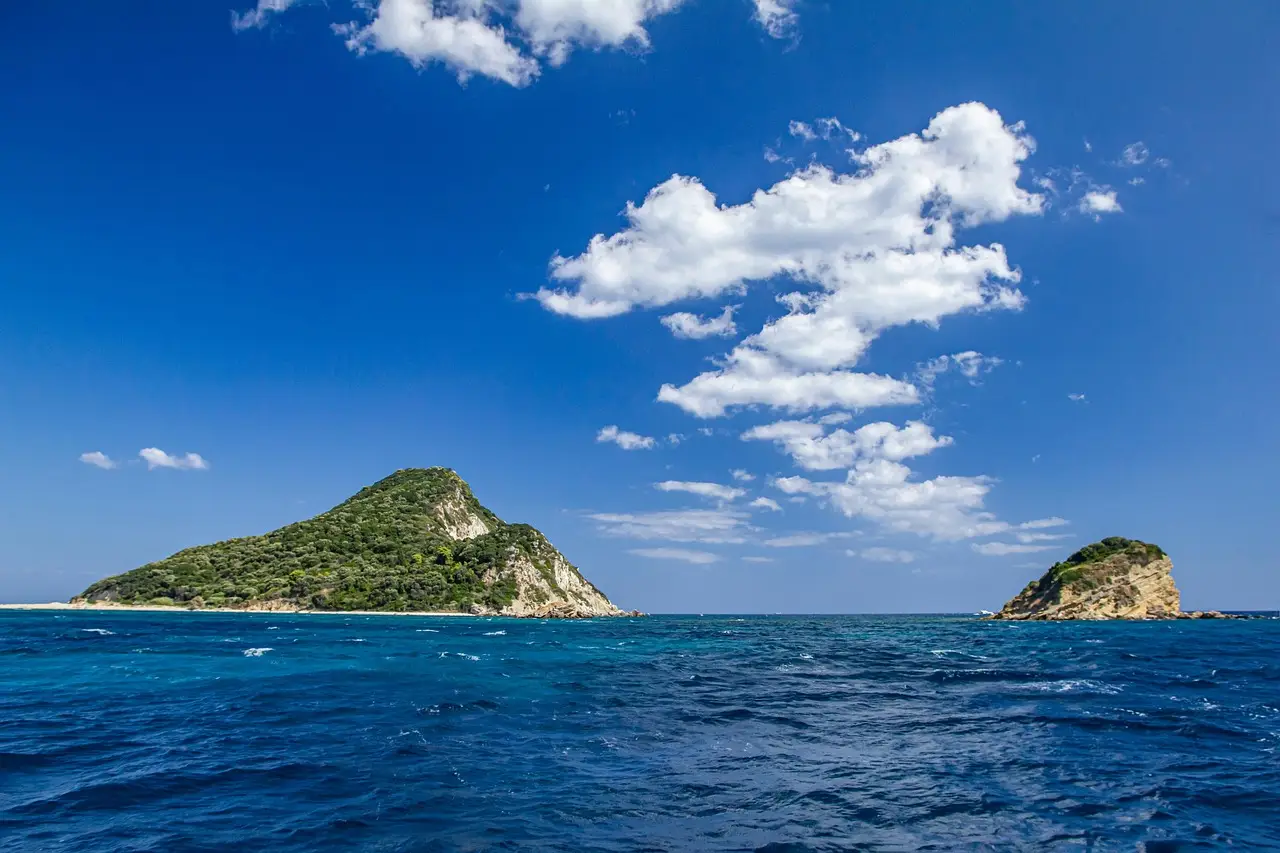
A one-acre underwater forest has returned to San Miguel Island, roughly 45 miles offshore, after scientists and commercial fishermen removed overgrazing purple urchins from the seafloor. The pilot project began last spring. It worked so well that the state has committed $700,000 to expand it, and a 52-minute documentary about it premieres this week.
Harvest to Heal, produced by Commercial Fishermen of Santa Barbara and Blue Ocean Production, makes its world premiere on Thursday, November 12, at 3:30 p.m. at the historic Arlington Theatre, part of the Santa Barbara Surf Film Festival. A Q&A follows the screening.
How did the kelp come back?
Kelp forests function like trees in the Amazon. They provide habitat and absorb carbon. But warmer waters and past El Niño storms decimated the once-abundant forests around the Channel Islands and along the coast from El Capitan to Rincon Point.
Purple urchins made things worse. Disease killed off sea stars, the urchins' primary predator, and urchin populations went unchecked. They created "urchin barrens," carpeting the seafloor and mowing down any kelp in their path.
The pilot asked a simple question: what if you removed the urchins? Divers cleared them from the one-acre site on the backside of remote San Miguel Island starting in summer 2025, after the team scouted the location and charted a plan.
"It's been the most rewarding project of my career," said marine scientist Kim Selkoe, president of the Commercial Fishermen of Santa Barbara, who spearheaded the project alongside research led by Dr. Jenn Caselle of UC Santa Barbara.
The project was designed as a win-win-win. Kelp gets a chance to grow back, urchin divers get paid, and the urchins get repurposed rather than wasted.
What happened to the urchins?
The removed urchins are sold to restaurants and turned into agricultural fertilizer. A company called Primitives even converts the shells into "urchinite," marketed as the world's first "biomarble," for countertops. These partnerships offset restoration costs.
Selkoe's Carpinteria-based company, Marino Soil Foods, specializes in turning fishing scraps into sustainable fertilizer. It is building a plant in Oxnard that will convert thousands of pounds of purple urchins into soil amendments.
Were the results convincing?
Yes. Divers from UC Santa Barbara's Caselle Lab monitored how kelp and urchins responded after clearing — testing whether new urchins would simply move in.
"The results were really phenomenal," Selkoe said. The kelp canopy grew back remarkably thick, and remaining urchins changed behavior. With food abundant, they stopped roaming hungrily for algae and settled into crevices to eat drifting seaweed scraps.
"No one is the one expert that has all the answers, and we really had to work as a group," Selkoe said. Scientists, urchin divers, nonprofits, and local businesses quickly became, in her words, a well-oiled urchin-harvesting machine.
What comes next?
The Ocean Protection Council's $700,000 grant continues the work, led by the Bay Foundation of Santa Monica, which will contract Santa Barbara urchin divers to keep clearing urchins at the Channel Islands and, in Selkoe's words, "build on the science."
A new restoration target is the cove off Refugio State Beach, an area familiar with urchin infestation. Harvesting began there in October, in collaboration with the international nonprofit Reef Check. Divers are training in scientific data collection to speed the work.
The coastal site raises new scientific questions: Will kelp grow back as well on the coast as near the islands? Will coastal urchins behave differently? "We've already found that the urchins at the Refugio site are a lot larger than the urchins around the island, and that affects how many pounds you can clear in an hour, and how much it costs to do the project," Selkoe said.
The stakes are rising. This year's "super" El Niño is warming ocean temperatures and stressing kelp forests, while urchins themselves are dying from disease around the Channel Islands. "The system is shifting under our feet," Selkoe said. "We're going to keep studying it and keep adapting our approaches. But it's not a one and done type of situation."
Who made the film?
Ventura-based filmmaker Jim Knowlton, the director of photography, filmed the project over two years, documenting underwater research at San Miguel Island through cinematography and personal stories from participants. Eric and Wendy Schmidt and the Santa Barbara County Fish & Wildlife Commission funded the film.
"I've been diving at San Miguel Island for decades, and it's one of the most extraordinary places I've explored underwater," Knowlton said. "The film shows what's possible when people come together to protect and restore our oceans, offering a message of hope for the future."
The project also reflects a growing partnership between CFSB and Santa Barbara City College through the Ocean Collective, a regional blue economy coalition. SBCC film student Ana Sanchez served as cinematography assistant, and SBCC horticulture student intern Tim Wardlaw appears in the film. Thursday's premiere will test whether a local restoration story can carry a message with coast-wide reach.
Source: independent.com
More from Elena Vasquez
Show full bio
Senior reporter covering technology and product news in arts in the broadest sense at Arts & Voices.
1,251 articles