Ken Griffin to Loan Three Dinosaur Fossils to Carnegie Museum
Kenneth C. Griffin will loan the sauropods "Daisy," "Lucky" and "Lucy" to Pittsburgh's Carnegie Museum of Natural History, plus $5 million for education and a public paleontology lab.
Programme
- Griffin will loan three sauropods — "Daisy," "Lucky" and "Lucy" — to the Carnegie Museum of Natural History in Pittsburgh.
- The fossils date to the Jurassic Period and were found between 2023 and 2025 in Washakie County, Wyoming.
- Griffin is gifting the museum $5 million for education programming, enabling a paleontology lab viewable by the public every day.
- He paid $44.6 million for the stegosaurus "Apex" at Sotheby's in 2024, then a record for a dinosaur fossil at public auction.
- Christie's sold the Tyrannosaurus rex fossil "Gus" for just over $50 million in July, ending "Apex's" record.
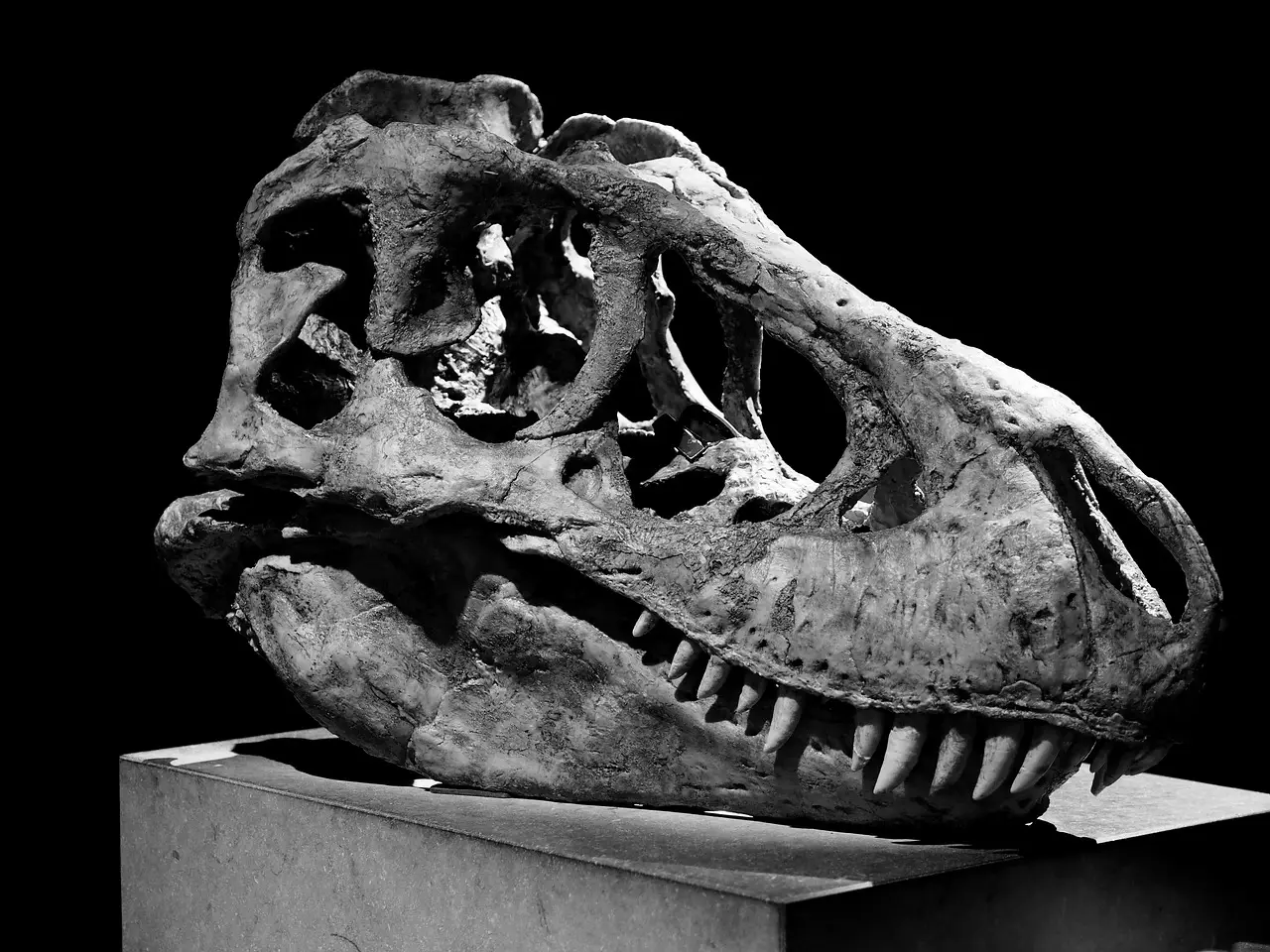
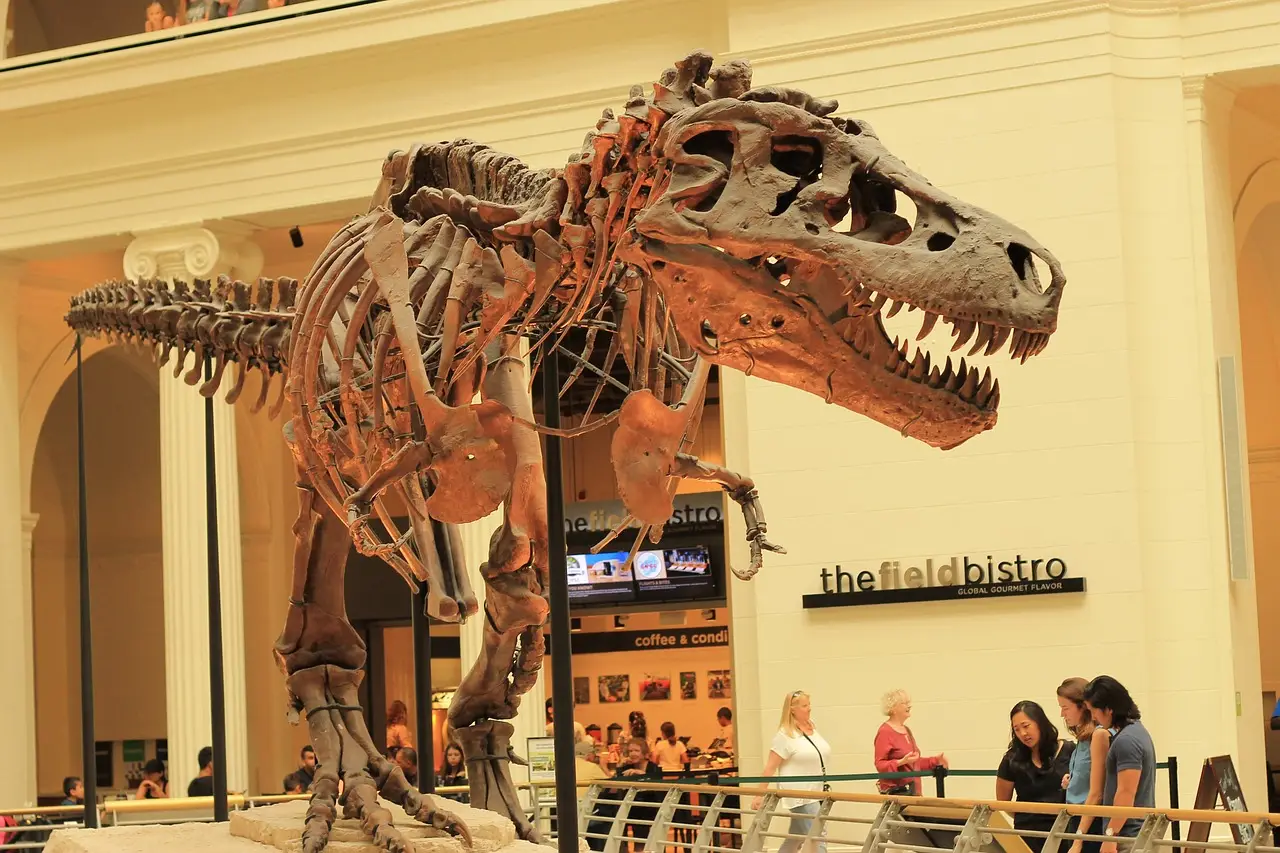
Kenneth C. Griffin will loan three dinosaur fossils — nicknamed "Daisy," "Lucky" and "Lucy" — to the Carnegie Museum of Natural History in Pittsburgh, alongside a $5 million gift to the museum's education programs. The Financial Times reported the arrangement; all three skeletons are sauropods, the long-necked dinosaur group, according to that outlet.
The money buys more than a display case. Griffin's gift also lets the museum launch a paleontology lab that the public can view every day, turning fossil preparation from a back-room discipline into something visitors watch in real time.
"Daisy, Lucky and Lucy offer an extraordinary window into our planet's history," Griffin said in a statement. "I am proud to partner with the Carnegie Museum of Natural History to share these remarkable dinosaurs with the public and give visitors a front-row seat to the work of paleontologists."
The bones date to the Jurassic Period and turned up between 2023 and 2025 in Washakie County, Wyoming. Nobody has publicly reported what the three fossils are worth, and they may not even be Griffin's most expensive specimens.
That fits a collector who has sat on the ARTnews Top 200 Collectors list since 2007 and who is known for buying everything from Abstract Expressionist paintings to rare copies of the US Constitution.
Griffin's fossil buying already carries a public price tag. In 2024 he paid $44.6 million at Sotheby's for a stegosaurus nicknamed "Apex," which the house billed as the second-most complete Stegosaurus fossil ever discovered. The bid set a record for the most expensive dinosaur fossil ever brought to a public auction.
He kept the stegosaurus briefly. Not long after buying "Apex," Griffin loaned it to the American Museum of Natural History in New York, the same pattern he now applies to three sauropods headed for Pittsburgh.
What does this change for the Carnegie Museum?
Three things:
- Three Jurassic specimens to mount, research and interpret.
- A paleontology lab open to the public every day, rather than closed to specialists.
- $5 million earmarked for education programming, the part that outlives any single loan.
For visitors, the practical change is access. A sauropod skeleton is a familiar silhouette, but watching bone prepared and studied in an open lab is a different kind of encounter, and the mechanism is the one Griffin named: a front-row seat to the work of paleontologists.
Griffin's fossil market
"Apex" no longer tops the fossil market. This July, Christie's sold "Gus," a Tyrannosaurus rex fossil, for just over $50 million, overtaking the 2024 record. The run of sales, including "Apex" and "Gus," has persuaded many observers, ARTnews has reported, that the market for dinosaur fossils is red hot.
That market matters because Griffin's money travels with the objects. His recent giving includes a $3 billion donation to Carnegie Mellon University, reportedly the largest-ever financial gift in the history of higher education, and the loan of a Leonardo da Vinci painting to the Metropolitan Museum of Art.
The next stage is concrete: three sauropods in Pittsburgh, and a paleontology lab whose doors open to the public every day. The fossils move out of private storage and into public view, which is the deal's whole point — and the same logic Griffin has applied to "Apex" in New York.
Original: ft.com
More from Grace Kim
Show full bio
Correspondent covering technology and product news in arts in the broadest sense at Arts & Voices.
1,640 articles