Ken Russell's 'The Devils' Returns to New York in Restored 4K
Ken Russell's scandalous 1971 horror film The Devils screens at IFC Center, BAM and Nitehawk in a new 4K restoration — with sets by a young Derek Jarman.

Programme
- Ken Russell's 1971 film The Devils screens in 4K restoration at IFC Center, BAM and Nitehawk cinemas in New York in the coming weeks
- Derek Jarman, who died in 1994, worked as set designer on the film before his queer-cinema career
- The film adapts Aldous Huxley's 1952 book The Devils of Loudun and John Whiting's 1961 play
- The story is set in Loudun, France, in 1634, after the Huguenot Rebellions
- Russell told Sight and Sound in 1995: 'I always viewed The Devils as my one political film'
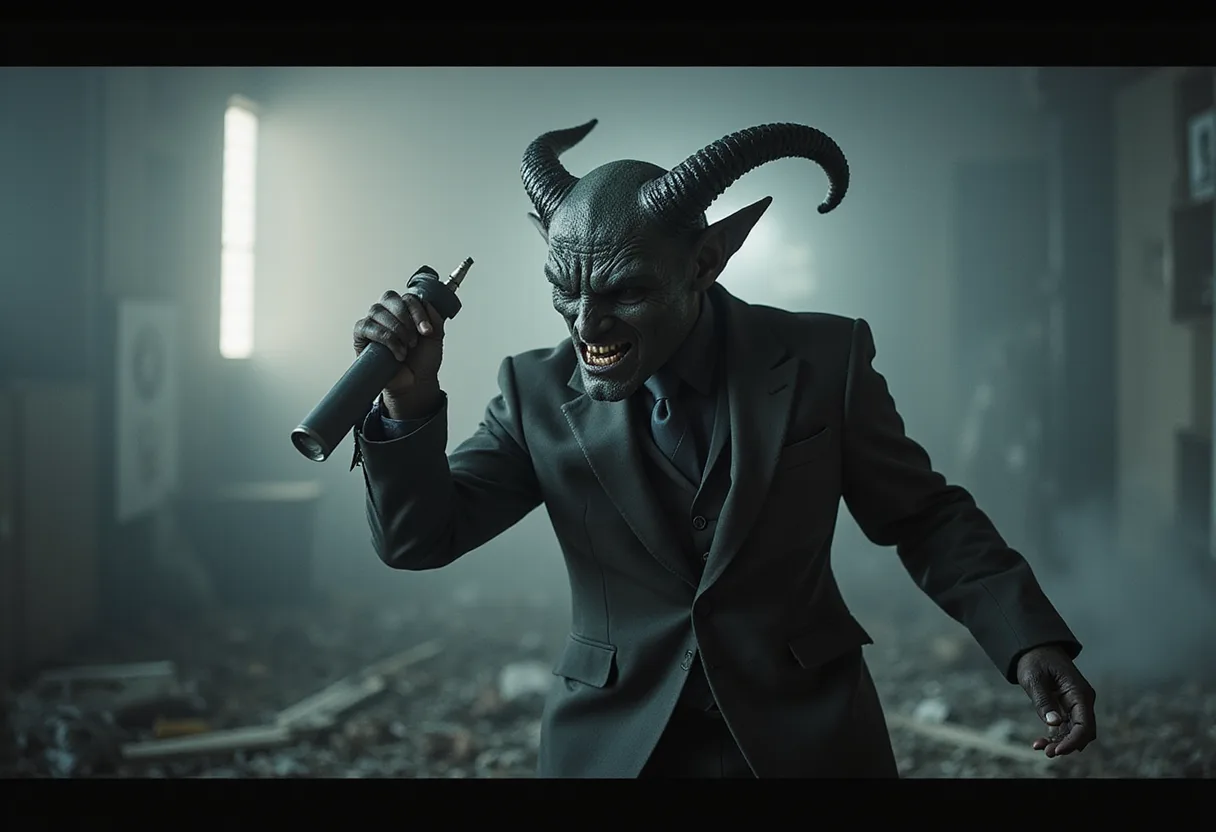
Ken Russell's 1971 horror film The Devils returns to New York this season in a hyped 4K restoration, screening at the IFC Center, the Brooklyn Academy of Music and Nitehawk cinemas in the coming weeks. The film remains notorious. It has lost none of its sting.
The restoration also drags a lesser-known fact into the light: Derek Jarman, the English artist and activist who died from AIDS-related illnesses in 1994, worked as the film's set designer. Before Jarman made his name with anachronistic, queer adaptations of Saint Sebastian, Caravaggio, Edward II and even the Passion of Jesus, he built sets — and The Devils was one of his formative jobs.
What is the film actually about?
Russell adapted The Devils from two sources: Aldous Huxley's 1952 book The Devils of Loudun and John Whiting's 1961 play The Devils. The story is set in the castled town of Loudun, France, in 1634, in the aftermath of the Huguenot Rebellions (the Protestant uprisings against the French Crown's push to consolidate state and Catholic Church power).
The film opens with a near-naked, genderqueer King Louis XIII performing on a half-shell on a theater stage, à la Botticelli's "Venus." It then shifts to Loudun, site of a famous scandal in which Ursuline nuns reportedly suffered bouts of demonic possession. The blame lands, strategically, on a secular priest named Urbain Grandier — played by a mustached Oliver Reed — who is tried and executed for his alleged crimes.
Russell's point, according to the film's own logic, is bigger than one badly behaved priest. Grandier's entrapment by his enemies comments on a larger evil: the totalitarian powers that knock down the town's walls immediately after his burning at the stake. Hell, in this film, is state repression.
What did Russell say about the controversies?
The film's sexual imagery — highly sexual depictions of nuns, priests, and a fallen crucifix that becomes a sex object in a frenzied exorcism-cum-orgy — generated controversy on release and for decades after.
Russell addressed it directly in a 1995 interview with Sight and Sound:
"At the time that I made The Devils, I was a devout Catholic, and secure in my faith," he recalled.
He then offered the reading that has stuck to the film ever since: "For myself, although I am not a political creature, I always viewed The Devils as my one political film. To me, it was about brainwashing, about the state taking over."
That verdict explains the film's durability better than its shock value does. Censorship debates fade; a film about brainwashing and state takeover keeps finding new relevance.
For New York audiences, the coming weeks offer a rare chance to judge the 1971 provocation on a big screen — sets by a future queer-cinema pioneer included.
Original: gq.com
More from Daniel Okafor
Show full bio
News editor covering companies, deals and strategy in arts in the broadest sense at Arts & Voices.
805 articles