Kore-eda's Look Back: Friendship, Manga and the Price of Making It
Kore-eda adapts Tatsuki Fujimoto's one-shot manga "Look Back" into a sad, beautiful film about two manga artists whose friendship survives collaboration — then bends under success.

Programme
- Hirokazu Kore-eda's "Look Back" adapts Tatsuki Fujimoto's standalone one-shot online manga of the same title.
- The manga has already received an anime movie adaptation before Kore-eda's version.
- Fujino is played by Furi Nanase at 13 and Natsuki Deguchi as an adult; Kyomoto is played by Rokka Okada and Aju Makita.
- The film centers on two manga artists whose shared dreams diverge after success.
Hirokazu Kore-eda's new film "Look Back" is an adaptation of Tatsuki Fujimoto's standalone online manga story of the same title — a "one-shot", meaning a self-contained single-volume work rather than an ongoing series.
The story follows two obsessive artists who team up to pursue their dreams, then find their aspirations diverging. It is, as the source review describes it, "sad and beautiful" — a film about friendship, about the ecstasy and burden of success, and about what it means to have an artistic vocation, especially when that vocation is pursued collaboratively, with your best friend.
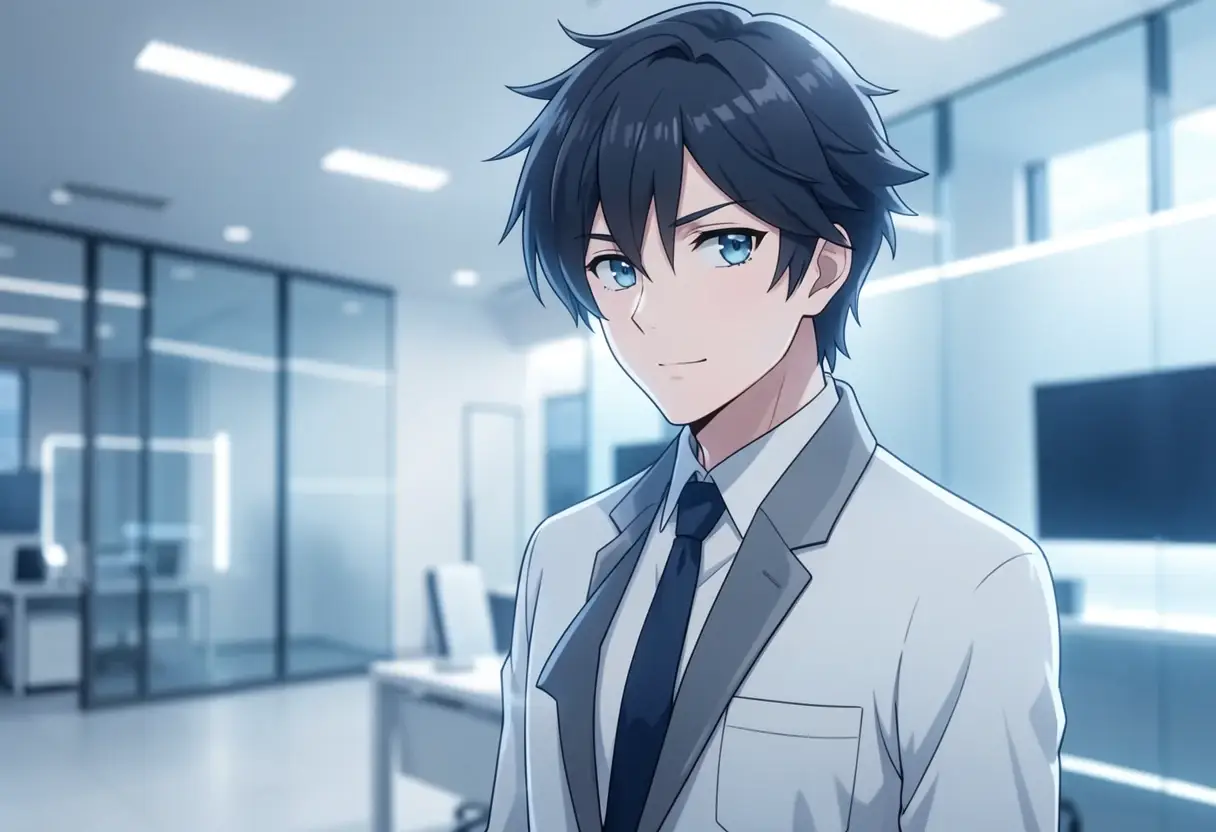
This is not the manga's first screen life. Fujimoto's "Look Back" has already had an anime movie adaptation, which makes Kore-eda's live-action version a second pass at material with a proven emotional pull.
Who are the two artists at the centre?
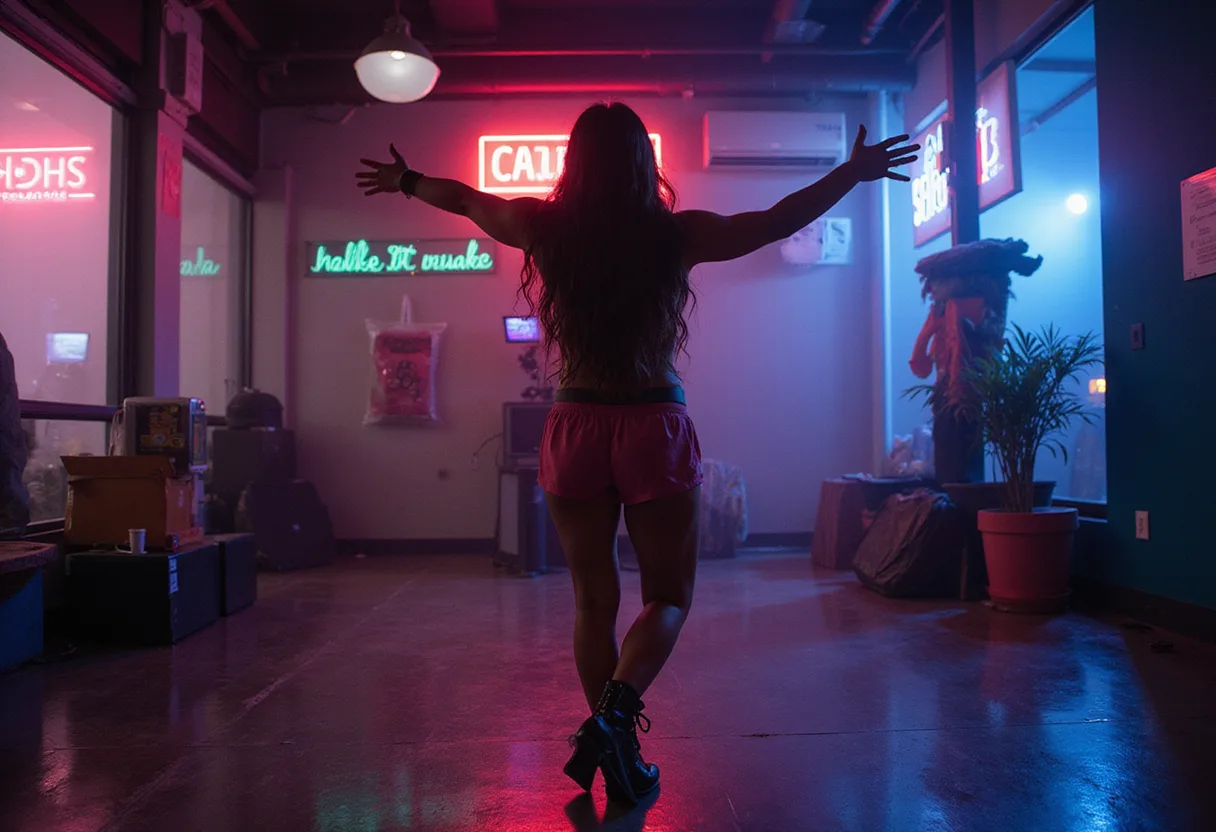
Fujino, played by Furi Nanase as a 13-year-old and later by Natsuki Deguchi, is a dedicated would-be manga artist who dreams of being published and adapted for the movies. Her personal and artistic destiny, as the review frames it, is to meet fellow manga obsessive Kyomoto in her early teens.
Kyomoto is played first by Rokka Okada, then as an adult by Aju Makita. The review calls their bond "a kind of platonic but passionate love story" — the engine of the film's emotional weight.
What does the film actually examine?
Three things, according to the review:
- friendship between two young artists
- the double-edged experience of artistic success
- the meaning of an artistic vocation pursued together rather than alone
That last point is the structural core. Kore-eda, whose films have long dissected families and chosen families, here turns to a creative partnership — two people whose dreams align and then, crucially, split apart.
What's the mechanism of the story?
It's a divergence plot. Two obsessive talents join forces to achieve their ambitions. Success arrives — and with it the burden the review names explicitly. Their aspirations then fork, and the friendship built on shared purpose has to absorb the shock of separate paths.
The casting supports that arc across two time periods: child actors (Nanase, Okada) establish the bond in early adolescence; adult actors (Deguchi, Makita) carry the consequences.
The pedigree matters too. Fujimoto is a distinctive voice in contemporary manga, and Kore-eda's decision to adapt a compact one-shot rather than a sprawling serial suggests the appeal of concentrated, character-driven material — his home territory.
For audiences, "Look Back" joins the growing shelf of manga adaptations that treat the source as serious literature rather than franchise fodder. How the film performs with viewers who already know both the manga and its anime predecessor will be the test of whether Kore-eda's version stands as its own work.
Original: en.wikipedia.org
More from Grace Kim
Show full bio
Correspondent covering technology and product news in arts in the broadest sense at Arts & Voices.
603 articles