Locarno Director Dominic Sangma Takes On Unregulated Mining in 'Veil of Dust'
Dominic Sangma's Busan Asian Project Market drama 'Veil of Dust' follows a miner's wife fighting for compensation in a village scarred by unregulated stone mining.
Programme
- "Veil of Dust" is presented at the Asian Project Market within Busan's ACFM and is in development.
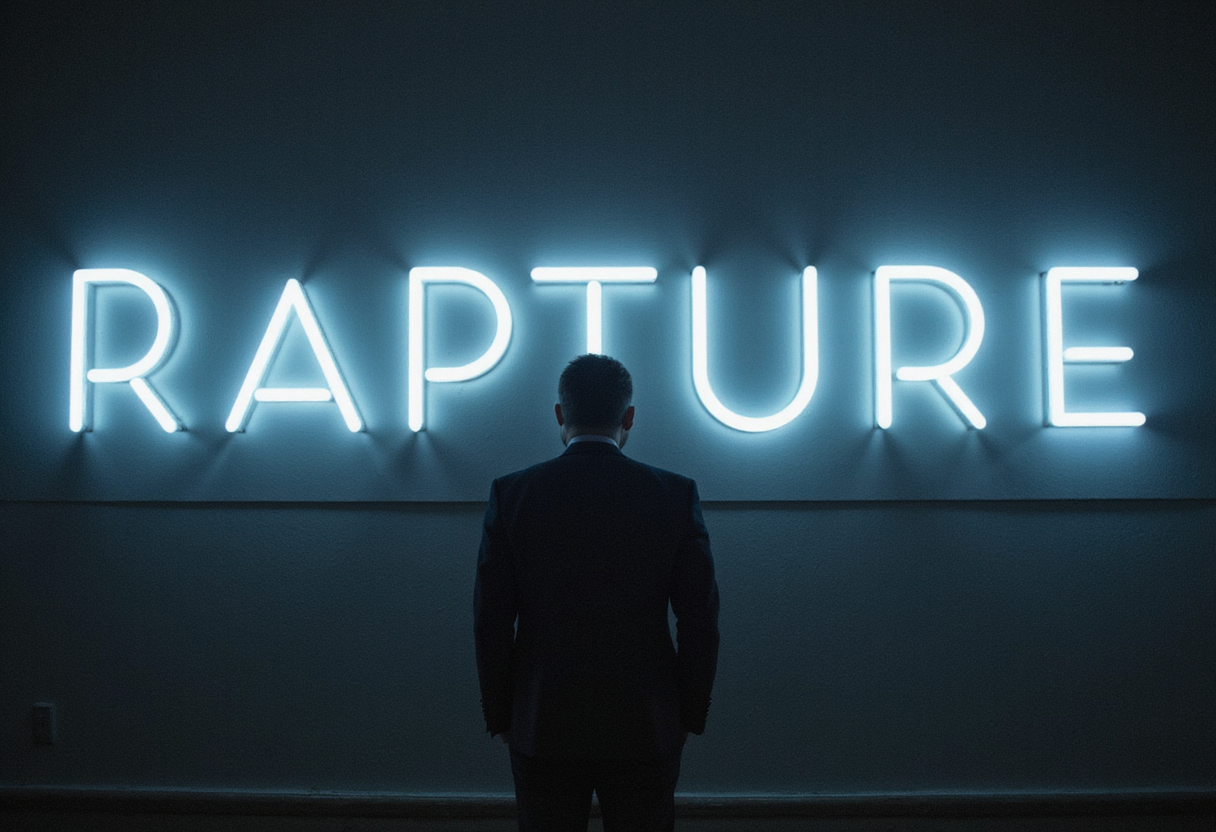
- "Rapture" premiered at Locarno in 2023 and won the cultural diversity award at the Asia Pacific Screen Awards.
- Protagonists Nengsal, 35, and Ajin, 32, anchor the story; their children are 12 and 10.
- Sangma paused the final film of his village trilogy to make "Veil of Dust."
- Producer Xu Jianshang previously produced "Ma'ama" and "Rapture."
"Rapture" director Dominic Sangma has brought "Veil of Dust," a drama about unregulated stone mining in his home village, to the Asian Project Market, which runs within the Busan International Film Festival's Asian Contents & Film Market (ACFM). The project is in development, and the team is in Busan raising money and seeking co-production partners.
The film opens with a blast tearing through the hills. Villagers dig 35-year-old Nengsal out of the debris; he has lost a leg. His wife Ajin, 32, sets out to win compensation and runs into a system built on exploitation and silence. The headman is compromised. A local NGO pursues its own politics. The man running the mine reveals that Nengsal was never on the books — a disclosure that renders workers like him invisible on their own land.
Where does the story turn mystical?
Through the couple's children, 12-year-old Kasanchi and 10-year-old Miklu, the film enters a realm rooted in indigenous belief. The healer Rengin leads Miklu through an unsettling ritual on a bird meant to "transfer" his father's wound. When an unplanned blast kills a boy from the village, the elders accept advance compensation to keep the peace. With Nengsal pleading with Ajin to end his pain and her fight for justice stalled, she turns to the rare herbs in her garden — plants that can both heal and harm.
Why did Sangma pause his trilogy?
Stone mining has surfaced in Sangma's earlier films, but here it takes center stage. The urgency of the subject led him to pause the final film of his village trilogy. The blasts, the shaking ground, wrecked homes and farms, and villagers killed in mine accidents belong to his childhood memories — and the mining continues. He says it felt normal for so long that he never felt the need to address it, until a recent stay in the village, where he saw landslides, cracked houses and mining edging closer to the main settlement.
"To an outsider, unregulated mining might seem like a mere environmental issue. But to those of us who live in its shadow, it doesn't just erode the soil – it erodes the soul," Sangma says.
The father of a young daughter, Sangma hopes that speaking out will make the village a slightly better home for her. The elders have stayed quiet — perhaps because they never saw mining as a problem, or because it has fed many of them. The deeper he went, the more tangled it became. "In a way villagers were the part of the reason why it continues for so long," he says.
Sangma calls the film "a microcosm to what we are doing to the mother earth with our greed" and hopes it will nudge audiences to care a little more for the planet.
What does the track record say?
"Rapture," the second film in Sangma's trilogy, premiered at Locarno in 2023 and won the cultural diversity award at the Asia Pacific Screen Awards. His debut "Ma'ama" won best cinematography at the Shanghai International Film Festival and best film at the Jogja-Netpac Asian Film Festival.
Producer Xu Jianshang, who produced both "Ma'ama" and "Rapture," says the director is moved by his community's suffering and that his very local concerns speak to the wider world. "There is beauty and grace in his image making and as a producer I feel we need to support more such voices," she says.
With its Busan presentation, "Veil of Dust" now searches for backers who share Sangma's vision — a test of whether a story drawn from one village's cracked houses can travel as far as his Locarno-premiered trilogy.
Source: Variety Film