Mäkelä's Bluebeard Triumphs Where His Dvořák Falls Flat in Hamburg
Klaus Mäkelä's first major opera outing with the Royal Concertgebouw brought a chilling Bluebeard and a bland Dvořák Seventh to Hamburg's Elbphilharmonie on 10 November 2026.
Programme
- Klaus Mäkelä, 30, conducted Bartók's Duke Bluebeard's Castle with the Royal Concertgebouw Orchestra on 10 November 2026.
- He becomes the orchestra's principal conductor within a year of the Hamburg date.
- The programme paired Bartók's opera with Dvořák's Symphony No. 7 in D minor, Op. 70.
- Jennifer Johnston sang Judith and Gerald Finley sang Duke Bluebeard; the opera was sung in Hungarian with German surtitles.
- Eight additional brass players were positioned antiphonally in the higher reaches of the Elbphilharmonie.
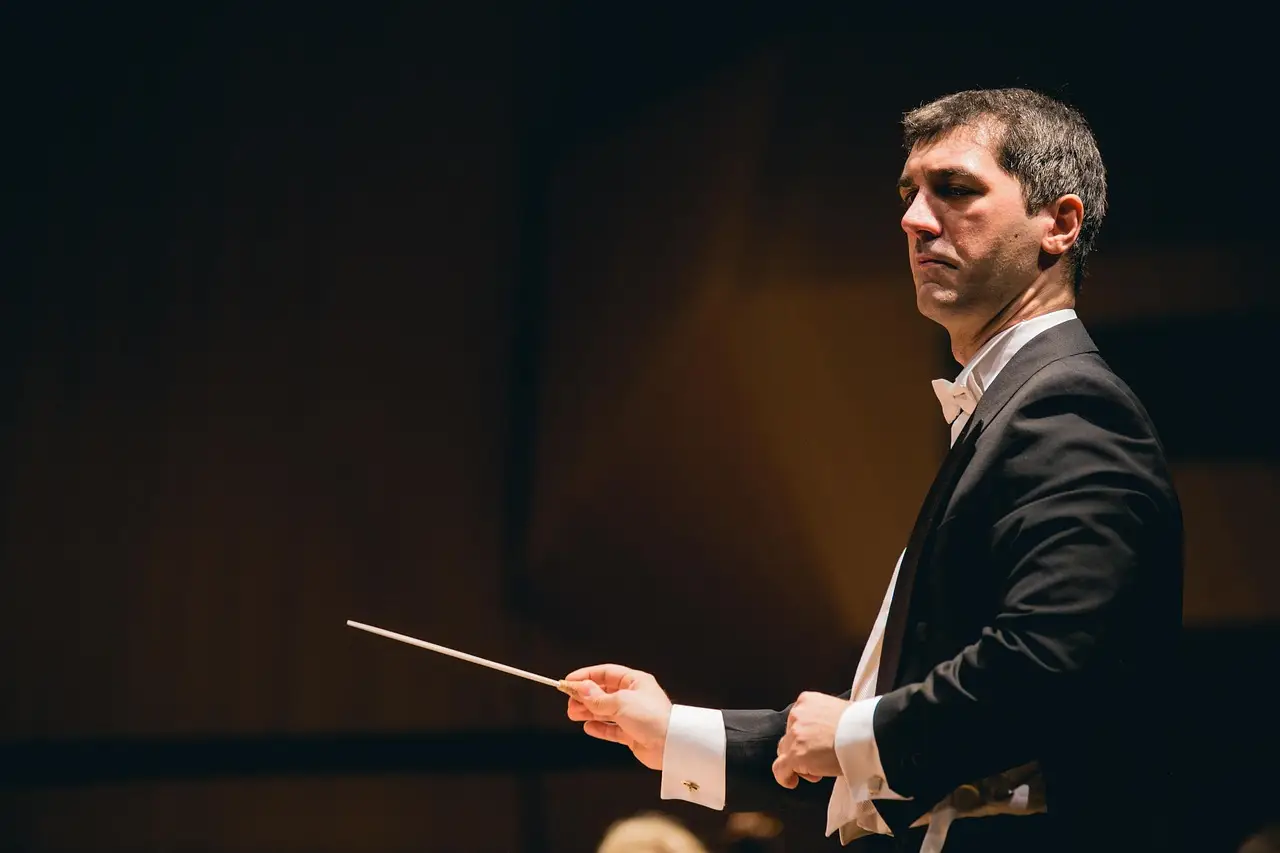
Klaus Mäkelä conducted his first major opera outing, Bartók's Duke Bluebeard's Castle, with the Royal Concertgebouw Orchestra at Hamburg's Elbphilharmonie on 10 November 2026 — less than a year before he becomes the orchestra's principal conductor.
The Finnish conductor, still only 30, has built superstar status on an extraordinarily wide repertoire spanning J.S. Bach to Stravinsky. Opera, however, is new territory for him. Reviewing the performance for Opera Today, Alexander Hall called the choice of Bartók's expressionist one-act "quite a risky undertaking", noting the Concertgebouw itself has limited experience in performing opera.
What worked in the Dvořák?
The programme opened with Dvořák's Symphony No. 7 in D minor, Op. 70. Hall reported an odd disconnect between podium and sound. "For all his efforts, there was no audible difference to what the players were actually producing for him," he wrote. Mäkelä's jabbing, angular gestures suggested aggression; the orchestra simply played like itself.
That self was considerable. Hall praised "power, weight and warmth from the strings together with perfect ensemble", a "quite fabulous woodwind choir" and "absolute security in the brass". Yet he found the interpretation emotionally vacant.
"Did I hear ripples of electricity, did I experience the pulsating dance-rhythms in the third movement, did I share in the exultation present in the statement of the main theme of the Finale? Sadly, I did not."
Mäkelä varied dynamics, respected note values and set "consistent, middle-of-the-road tempi" — which Hall judged insufficient for a work whose greatness lives in contrast. "Blandness is not what you want in Dvořák," he concluded.
How did Bluebeard transform the evening?
After the interval, the picture changed completely. Hall wrote that Mäkelä's angularity "no longer seemed at odds with the music", praising his "marked theatricality" and "an awareness of colour which informed all aspects of the playing". The strings produced "varied and potent sighs"; razor-sharp trumpets and growling trombones created "a highly atmospheric chill".
The cast delivered sharply differentiated portrayals:
- Gerald Finley sang a "visibly dignified" Bluebeard, noble in tone with lyrical baritonal richness — though Hall missed "those rough edges of overt masculinity that should warn the listener of unfathomable depths".
- Jennifer Johnston was "quite magnificent" as Judith, attacking the wide tessitura "fearlessly" with "absolute technical assurance" while also conveying her character's fragility.
- Christiane von Poelnitz spoke the German-language Prologue, framing the opera's questions about where the real stage lies — outside, or in the recesses of the mind.
Mäkelä balanced the orchestra carefully beneath the two singers. Hall singled out the brass fanfares of the second door as "a deeply unnerving Gothic horror show", the four flutes and horn calls of the garden scene, and the huge chromatic chords of the fifth door, delivered with "controlled power and splendour" and reinforced by eight additional brass players positioned antiphonally in the Elbphilharmonie's higher reaches.
What does this mean for Amsterdam?
Hall ended with a split verdict. Mäkelä's "control was palpable" and his persuasive ability over players is not in doubt. But bringing Dvořák to life "are skills which as yet are proving elusive". His closing question: "Is it perhaps too much to expect unmitigated perfection from one who is still only thirty years of age?" The Amsterdam audience will begin finding out when his principal conductorship starts within the year.
Source: operatoday.com
More from Elena Vasquez
Show full bio
Senior reporter covering technology and product news in arts in the broadest sense at Arts & Voices.
1,246 articles