Mandvi's Shipwrights Still Build Teak Dhows by Hand
In Mandvi, on India's west coast, about 25 craftsmen still hand-build huge teak dhows over several years each, keeping alive a trade that once linked India to the Gulf and east Africa.
Programme
- About 25 craftsmen build each dhow by hand over several years.
- Mandvi was founded in the 16th century by the rulers of the kingdom of Kutch.
- Commercial decline began in the 19th century; the port of Kandla, created after 1947, definitively marginalised Mandvi.
- The 2001 Kutch earthquake damaged some of the old buildings and accelerated urban transformation.
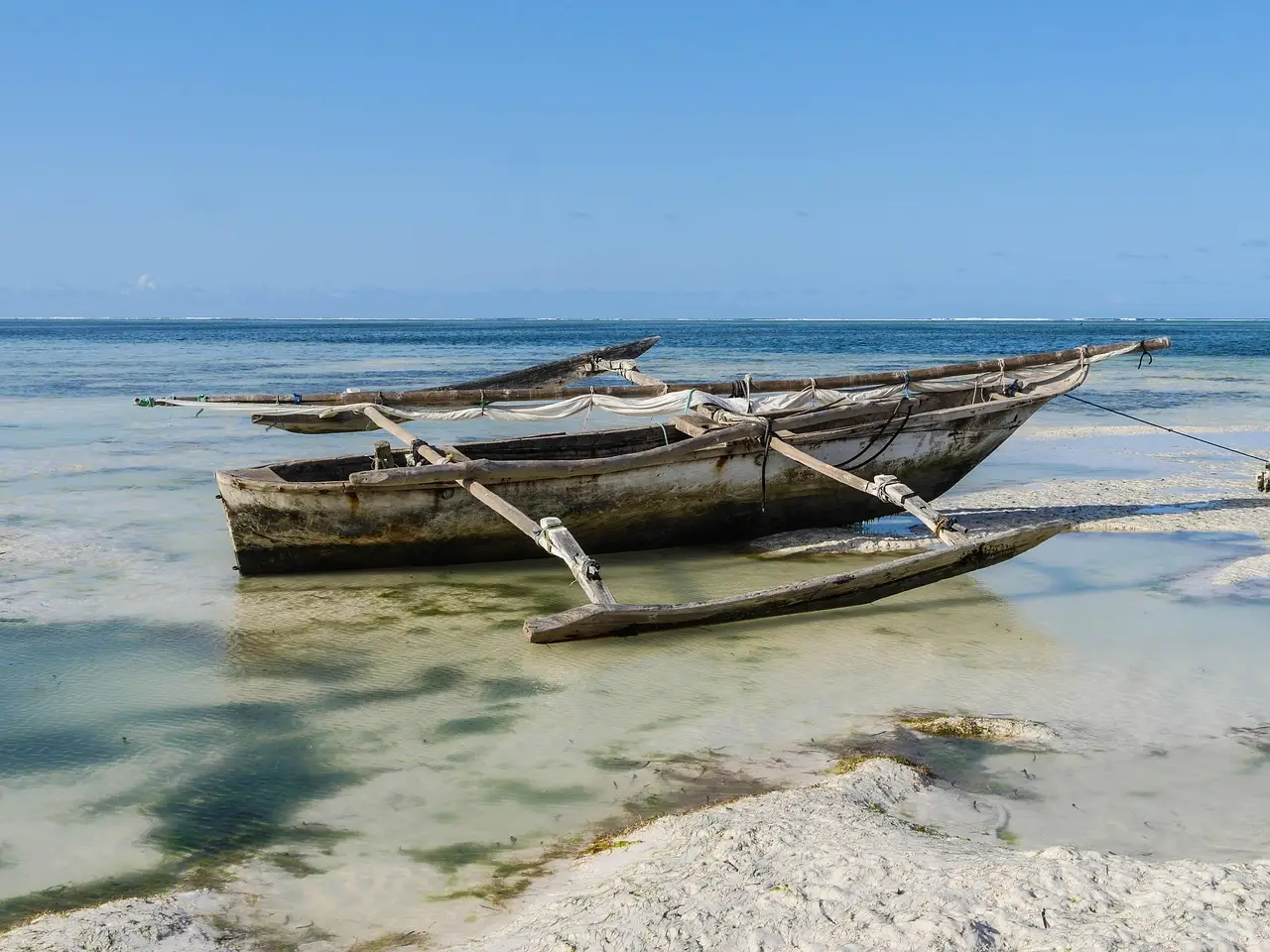
Each dhow built in Mandvi takes several years to complete by hand and employs about 25 craftsmen. That is the working reality today in the shipyards of a port city on India's west coast, founded in the 16th century by the rulers of the kingdom of Kutch, where traditional wooden shipbuilding has outlived the trade networks that once made it wealthy.
The city's story is one of steep decline followed by stubborn persistence. Its geography did the first part of the work. Mandvi sits on the estuary of the Rukmavati River, which flows into the Arabian Sea in the Gulf of Kutch. Its shipwrights mastered monsoon wind navigation, and that combination plugged the port into maritime networks connecting India to the Gulf, the Arabian peninsula and east Africa. Within a short period, Mandvi ranked among the most dynamic ports in the western Indian Ocean.
What did the shipyards actually build?
The answer is scale. Mandvi's yards specialised in huge teak dhows suited to long voyages across the Indian Ocean. The craft industry became a pillar of the local economy and projected the city's influence far beyond India. The trade flows it served ran in both directions: exports of cotton textiles, indigo, cereals and handicrafts; imports of dates, pearls, Arabian horses and luxury goods.
That prosperity is gone, but the trade itself is not. The yards still employ many families of carpenters and other workers today. Workers from different religious communities build the boats. While a large proportion of them are Muslim, shipbuilding is also part of a very ancient Hindu tradition. The craft has been transmitted across generations of related teams, with apprenticeships beginning in adolescence, in a world where the trade is as much cultural as it is technical.
When did the decline begin?
The downturn dates from the 19th century. Three forces worked together, according to the historical account of the city:
- The advent of steamships displaced sailing vessels.
- Deep, modern port infrastructure became a requirement Mandvi could not meet.
- British colonial rule restructured maritime trade to serve its own interests.
The combined effect shifted trade to better-equipped ports such as Mumbai. After independence in 1947, the creation of the nearby port of Kandla definitively marginalised Mandvi commercially. The 2001 earthquake in Kutch then damaged some of the old buildings and accelerated the city's urban transformation.
What does this change for the shipwrights?
In practical terms, nothing — and that is the point. The yards persist with a fraction of their former economic weight, producing vessels that take years of manual labour from roughly two dozen craftsmen each. No figure in the source quantifies current production, orders or revenue; what is documented is continuity, not commercial health.
Away from the shipbuilding, Mandvi today is known for its neglected architectural heritage and its beaches, which attract Indian tourists and middle-class locals. The city's shipyards remain one of the few places where the traditional dhow trade of the western Indian Ocean survives in working form — a craft now sustained as much by family and cultural transmission as by whatever market still exists for hand-built teak ships.
Source: theguardian.com
More from Tom Whitfield
Show full bio
Market editor covering people, launches and day-to-day practice in arts in the broadest sense at Arts & Voices.
1,784 articles