Mark Swed, America's Last Major-Paper Classical Critic, Retires at 81
Mark Swed, 81, retired Thursday from the Los Angeles Times as the last full-time classical music critic at a major American newspaper. No successor has been named; the beat effectively disappears.
Programme
- Mark Swed retired Thursday at age 81 from the Los Angeles Times
- He is the last full-time classical music critic at a major U.S. newspaper; no successor has been named
- The Washington Post cut classical critic Michael Andor Brodeur in February 2026
- The New York Times reassigned classical critic Zachary Woolfe to obituaries editor less than a year earlier
- Swed is expected to continue with a monthly column at the Los Angeles Times
Mark Swed, America's Last Major-Paper Classical Critic, Retires at 81
LA Times loses its 81-year-old music writer with no successor named as the beat vanishes from newspaper mastheads.
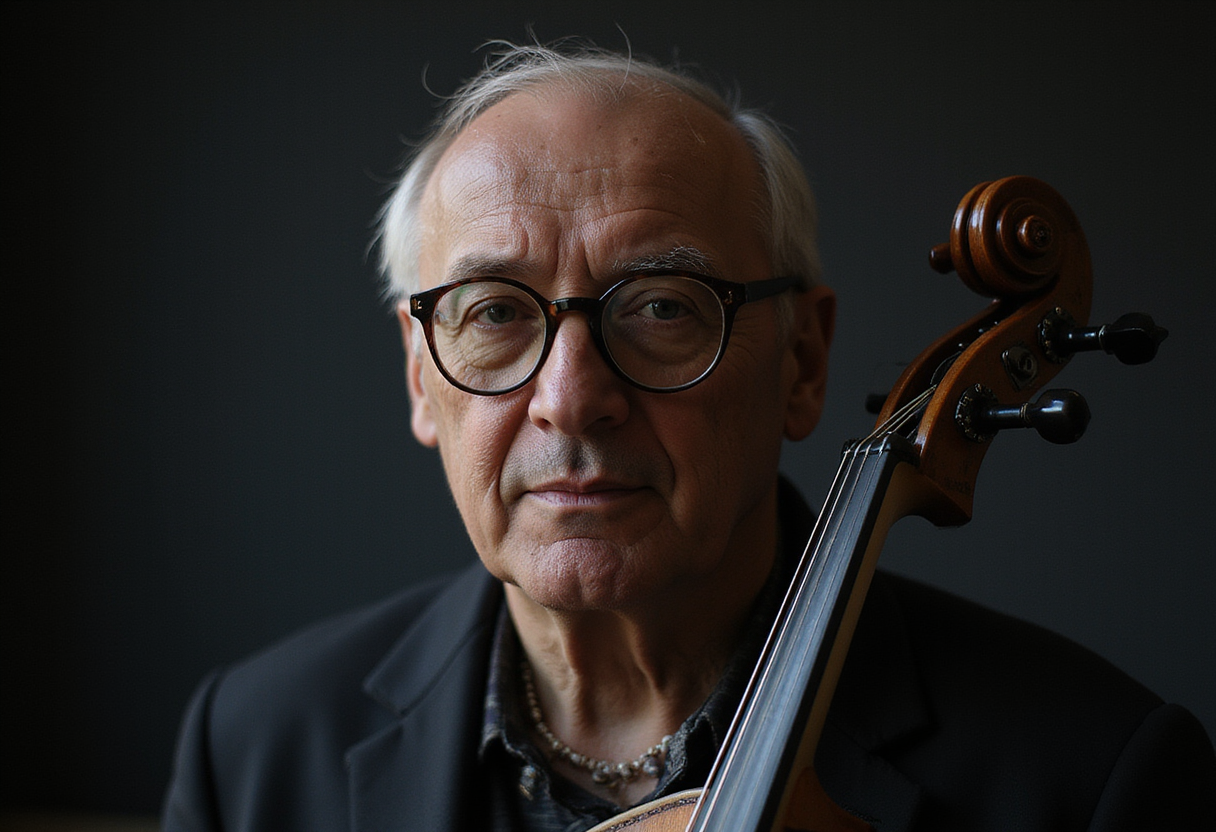
Mark Swed, the Los Angeles Times's classical music critic, retired Thursday at 81. He holds a distinction no colleague will inherit: he is the last full-time classical music critic at a major American newspaper.
Members of The Times editorial staff gathered Thursday to celebrate Swed. The paper's arts editor, writing in the Essential Arts newsletter, framed the moment as a loss for journalism and for classical music.
"Today marks the end of an era," the editor wrote. "Mark Swed — the last full-time classical music critic at a major American newspaper — has retired."
What kind of critic was Mark Swed?
The editor's tribute praised Swed's unusual range. "Swed is the rarest of writers: a critic with deep empathy and encyclopedic knowledge who can turn the sonic details of an orchestra playing Mahler's Seventh Symphony into an epic journey for readers."
"At a time when symphony leaders struggle to find new audiences for the art form, Swed's writing did the job for them," the editor added.
The LA Times newsletter headline read: "The last full-time classical music critic at a major U.S. newspaper retires: L.A. arts and culture this weekend."
What changes at the Los Angeles Times?
No successor has been named. The arts editor said Swed is "leaving of his own accord, and will hopefully continue to write a monthly column."
The arrangement leaves the daily classical beat uncovered. Swed's own valediction appeared in the September 25, 2026 edition of Essential Arts.
How did the role disappear elsewhere?
Swed's exit caps a near-total contraction of the beat across American legacy papers. The named casualties, in reverse chronological order:
- The Washington Post cut Michael Andor Brodeur in February 2026.
- The New York Times reassigned Zachary Woolfe to serve as obituaries editor less than a year earlier, in 2025.
Three critics at three mastheads. Three different endings. The Post eliminated its post outright. The Times moved its critic sideways. The LA Times let the role close with its holder.
What is being lost?
The arts editor was direct about the stakes. "That this particular kind of writing — and of seeing and explaining the world to readers — is going away with Swed, is truly a tragedy."
"Although we were glad for our beloved colleague, this was not a happy milestone for journalism — or classical music," the editor added.
The broader story was first flagged by Slippedisc, which reposted the LA Times announcement on September 25, 2026.
What comes next?
The retirement leaves American newspaper readers without a dedicated classical desk critic at any of the country's three most visible legacy papers. A monthly column from Swed, if it materializes, will reach a fraction of the audience his daily criticism once commanded.
The next test for the beat will be whether any major U.S. newsroom chooses to fill a post that, after Swed's exit, no longer exists in its old form.
Original: latimes.com
More from Marcus Bennett
Show full bio
Staff writer covering industry trends and analytics at Arts & Voices.
358 articles