Medical Emergency and Columbus Day Parade Delayed Berlin Philharmonic at Carnegie Hall
Carnegie Hall says an elderly concertgoer's fall, a doctor's advice not to move him and Columbus Day Parade traffic delays held up the Berlin Philharmonic by up to 90 minutes.
Programme
- The Berlin Philharmonic's Carnegie Hall concert was delayed by up to 90 minutes.
- Carnegie Hall says an older concertgoer fell at the back of the Parquet and a doctor advised waiting for EMTs.
- The New York Columbus Day Parade closed the area to vehicular traffic, delaying emergency medical personnel.
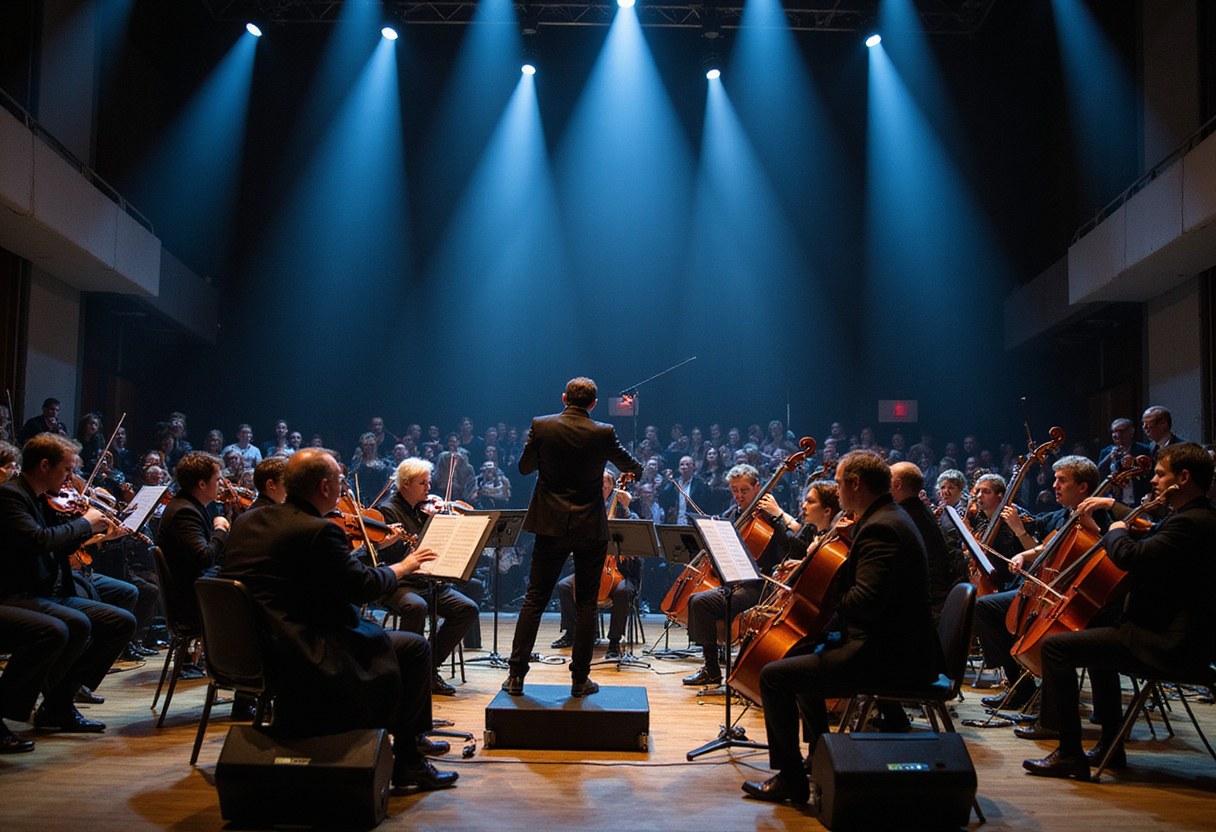
- The tuned orchestra waited on stage for almost half an hour; an announcement came about 15 minutes in.
- No emergency personnel were present 60 minutes into the incident, according to an audience witness.
The Berlin Philharmonic's Carnegie Hall concert was delayed by up to 90 minutes after an elderly concertgoer fell at the back of the Parquet, according to an official explanation issued by the Hall.
Carnegie Hall's statement, released after the interruption halted the performance, reads: "There was an older concertgoer who fell in the back of the Parquet. There was a doctor with him who advised we not move him and wait for the Emergency Medical Technicians to arrive."
The venue did not name the injured audience member or give an update on his condition.
Why did help take so long to arrive?
A regular Slippedisc commenter who was in the hall provided a fuller account of the evening. According to that witness, an announcement came roughly 15 minutes into the concert, citing "significant injury due to a fall."
The delay had a second cause: New York's Columbus Day Parade had closed the surrounding area to vehicular traffic, which significantly delayed the emergency medical personnel trying to reach the hall.
The tuned orchestra sat on stage for almost half an hour while latecomers blocked by the traffic ban kept arriving and being seated, the witness reported.
What happened inside the hall?
The commenter described the atmosphere shifting from confusion to something closer to solidarity. "Once we knew the basic situation, puzzlement began to turn to camaraderie between the musicians and the audience, and most everyone seemed to be dealing amicably with the very strange situation," the witness wrote.
Management eventually called an intermission. The musicians left the stage, and audience members headed for the bar or struck up conversations with their neighbours.
The medical situation remained unresolved well into the evening. "During that time, I observed the injured person; it was clearly serious. He (?) was being assisted but there were still no emergency medical personnel there (60 minutes in)," the witness wrote.
How did the performance itself go?
The concert resumed and closed with Richard Strauss's Also sprach Zarathustra — and the unusual circumstances, by the witness's account, produced an extraordinary rendition.
"One result of all this weirdness was to yield the most intense performance of Also Spracht Zarathustra that I ever hope to experience, especially the strings," the commenter wrote, singling out concertmasters Daishin Kashimoto and Noah Bendix-Balgley and violist Amihai Grosz as "particularly heroic."
"At the end, the audience exploded in admiration; then we headed home with an experience to remember and a story to tell," the witness added.
What questions remain?
The original report leaves two issues open:
- Why did it take so long for the hall to let the audience get up and stretch their legs?
- Who was the man in the maroon blazer?
The episode also raises a logistical question Carnegie Hall and other Manhattan venues may face again: how emergency services reach a hall on a day when a parade shuts down midtown traffic, and whether earlier communication with the audience could shorten a wait of this kind.
Source: Slipped Disc