Milan Ranks 760 of 761 for Air Quality. Its Designers Are Responding
Milan ranks 760 of 761 European cities for air quality. Architects like Stefano Boeri answer with the Bosco Verticale, a tower of suspended trees. "Nature must become an integral part of architecture."
Programme
- Milan ranks 760 out of 761 European cities for hazardous air pollution, per the European Environment Agency.
- Storms have felled thousands of trees in Milan; this past summer brought heat domes and 100-degree days.
- Architect Stefano Boeri's Bosco Verticale is a luxury residential project whose two towers carry trees and shrubs on their balconies.
- Boeri called the Bosco Verticale "a political manifesto" and said nature must become an integral part of architecture.
- Europe is warming faster than the rest of the planet, per the report.
Milan has the second most hazardous air pollution of any city in Europe, ranking 760 out of 761, according to the European Environment Agency. Only Slavonski Brod in Croatia fares worse. For a city that trades on design excellence, that is an awkward trophy.
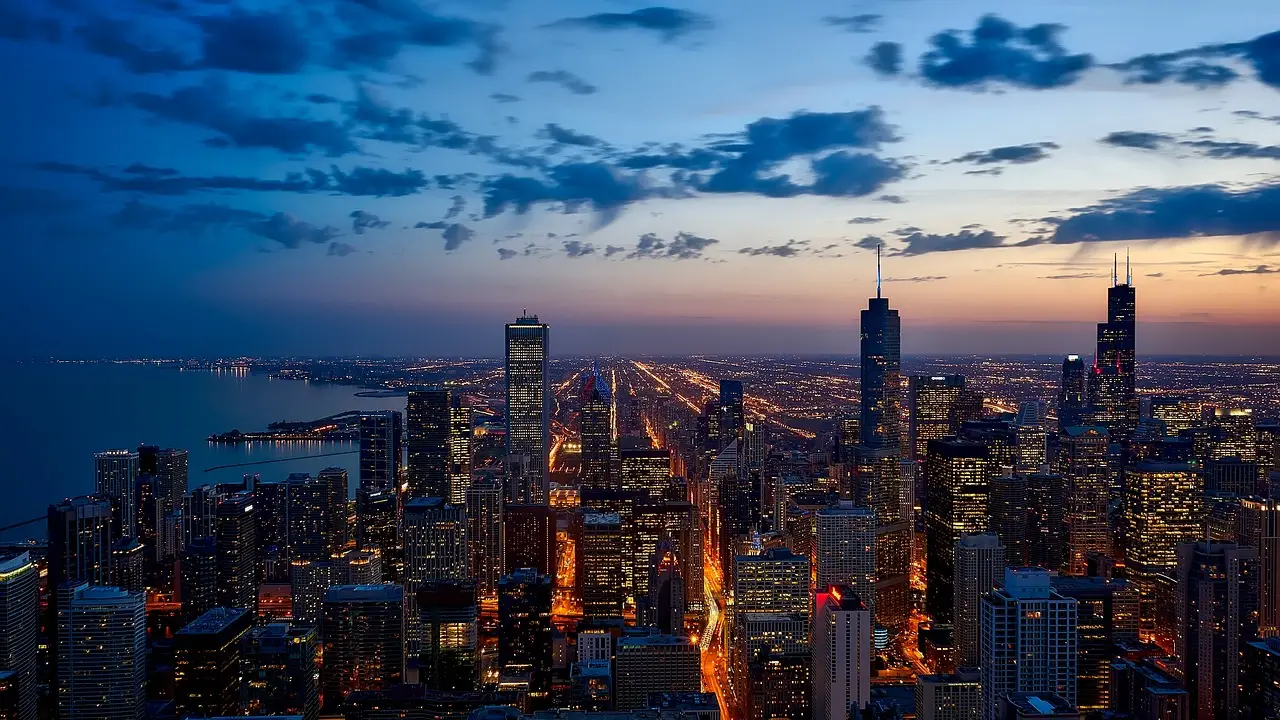
The ranking sits inside a larger climate picture. Europe is warming faster than the rest of the planet, and Milan is already living with the consequences: flash floods, droughts and violent storms that have felled thousands of trees. This past summer brought prolonged heat domes and 100-degree days. The question, posed bluntly by Laura Rysman reporting from Milan for The New York Times, is whether Milan's greatest design challenge is now to redesign itself.
What are Milan's designers actually proposing?
Architects and designers are working on schemes to transform Milan and other cities by vastly increasing vegetation, while reconsidering the forms and materials of buildings and streets. It is a shift from ornament to infrastructure — plants as public works rather than decoration.
Effectiveness, Rysman notes, will depend on two groups outside the design studio: the politicians who set urban priorities, and the residents who will live with the outcomes. Good drawings don't legislate.
What does the Bosco Verticale show?
The clearest emblem of the approach stands in the Porta Nuova district, a short walk from Porta Garibaldi train station. There, skyscrapers mark the city's contemporary and contested era of global capital and property investment. Among the stark glass high-rises, one development stands apart: the Bosco Verticale, or vertical forest, a luxury residential project whose two towers carry trees and shrubs along their balconies — several blocks' worth of plants suspended in the sky.
Last month, Rysman found the architect Stefano Boeri on a ninth-floor patio, sitting under an acacia tree on an unsettlingly hot autumn afternoon.
"The Bosco Verticale is a political manifesto," Boeri said. "Nature must become an integral part of architecture."
On a neighboring balcony, a bird sang from a tree nest. The tower, in other words, is already occupied twice over.
Can a manifesto scale to a city?
The Bosco Verticale is luxury housing, which limits its reach as a model. But its logic — buildings that host vegetation rather than merely sit beside it — informs the wider proposals now circulating among Milan's creative community, from street materials to building forms.
The stakes are measurable. A city ranked 760th of 761 for air quality, losing thousands of trees to storms and enduring 100-degree summers, does not have the luxury of treating greening as a styling choice. Whether Milan's politicians and residents convert its designers' climate proposals into policy will determine if the design capital can redesign itself in time.
Source: NYT Arts
More from Daniel Okafor
Show full bio
News editor covering companies, deals and strategy in arts in the broadest sense at Arts & Voices.
1,207 articles