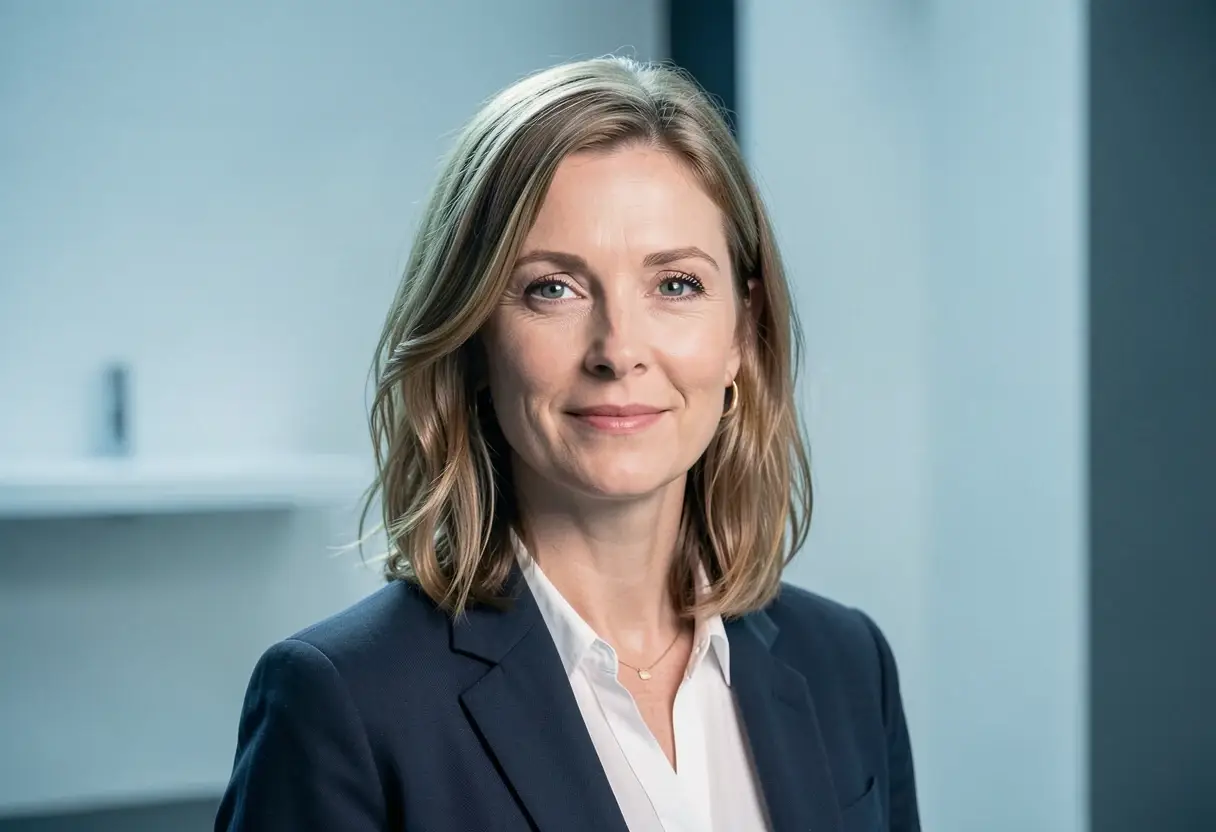
Mona Zaki Gets El Gouna Career Award at 49: 'Art Is About Freedom'
Mona Zaki, honored with El Gouna's Career Achievement Award before turning 50, says censorship still limits Egyptian actresses: 'It can be very difficult to find a meaningful script.'
Programme
- Mona Zaki received the Career Achievement Award at the opening of the 9th El Gouna Film Festival, running Oct. 15-23.
- She has worked for more than three decades but has not yet turned 50.
- Her turning point was Yousry Nasrallah's 2009 drama 'Scheherazade, Tell Me a Story,' written by Wahid Hamed.
- For 'El Sett,' Marwan Hamed's Umm Kulthum biopic, she studied a rare two-hour radio interview as a key reference.
- She works with an acting coach on every project, building each character's life beyond the script.
Mona Zaki received the Career Achievement Award at the opening of the 9th El Gouna Film Festival on Oct. 15 — and she hasn't even turned 50. The Egyptian star has racked up more than three decades on screen, but she talks about that body of work as a process, not a monument. "I get bored easily with myself," she told Variety on the shores of the Red Sea.
The festival runs through Oct. 23. The honor marks her past; Zaki is firmly focused on what comes next.
What changed her career?
Zaki started young, in theater, then moved to television and film. Early on, audiences fixed her as the "girl next door." The image stopped fitting. "I started to kind of feel like I'm going there doing the same thing in every different project," she recalls. "How boring is that? I needed to shift."
The shift came with Yousry Nasrallah's 2009 drama "Scheherazade, Tell Me a Story" (Ehky Ya Shahrazad), written by the late Wahid Hamed. Zaki played a television host whose program examines women's experiences with romance, health, daily life and the expectations Egyptian society places on them.
The backlash was intense. Viewers questioned what had happened to the "girl next door." The response shook her enough that she brought her fears about the press tour to Hamed himself. He told her to stand behind a choice made out of love for the work.
What does the struggle look like now?
That film started a fight Zaki says she's still waging: finding roles that let women address subjects Egyptian cinema treats as difficult or off-limits. "Censorship, talking about taboos, things that are not okay most of the time, especially for women to talk about," remain among her challenges. "I'm still living in that struggle even now. It can be very difficult to find a meaningful script."
She believes the industry has advanced over 30-plus years. Still, the gap between Egypt's acting talent and the opportunities available frustrates her. "It breaks my heart that most of them are not taking the chances they deserve and the topics they would love to talk about and the rights they want to stand for."
Two lessons stand out from her decades in the business: the power of saying "no," and the confidence to express herself, emotionally and personally. Acting taught her the second one. "You just have to open up," she says. "Your emotions are important to be heard, and it's okay. Part of your healing is saying what you feel."
Her bond with audiences, she explains, is negotiated, not given. "It's a relationship. You work on it like any other relationship in your life." Part of that negotiation is protecting her freedom to evolve. "I have the right not to feel bored and sick of myself doing the same thing because I'm not corporate, I'm an artist," she stresses. "Art is about freedom, it's about change, it's about trial and error."
How does she build a character?
Every project starts the same way: she builds a life for the character beyond the script, working with an acting coach and drawing on different techniques. A key step is imagining who the woman was before the audience meets her. Zaki might close her eyes and picture her at seven, in her childhood home with her mother — memories that never appear on screen but shape the performance. "I don't have to say it, but I can make people feel it the way I felt it."
"El Sett," Marwan Hamed's biopic of Umm Kulthum, tested that method against one of the Arab world's most revered cultural figures. Zaki calls her preparation "crazy research": she watched every piece of footage she could find and listened repeatedly to a rare two-hour radio interview that became a central reference.
The facts of Umm Kulthum's life were fixed. The woman behind them wasn't. "The whole internal emotions are the imagination of the writer and me," Zaki says. She invented the emotions, relationships and private struggles no archive could record.
What did playing Umm Kulthum cost her?
The character didn't leave when filming wrapped. "I came out of the project feeling that I'm a 70-year-old woman. I'm serious, this was not a joke," she says. Returning to being Mona Zaki proved disorienting. "I think my whole face changed after that. I couldn't accept myself in the mirror."
Some of Kulthum lingers. "I'm trying to get rid of her," Zaki says. "I only have a few leftovers, gladly. Honestly, I don't want to feel like I'm 70 and I'm not there yet."
Asked what she looks for in a role now, after more than three decades, she doesn't hesitate: "Reality. Honesty. That would just take my heart." With censorship still narrowing the field of scripts, finding those two qualities is the fight that will define her next decade — the one before she turns 60.
Source: Variety Film
More from Grace Kim
Show full bio
Correspondent covering technology and product news in arts in the broadest sense at Arts & Voices.
663 articles