Monet's Tiny 'La Barque' Sells for $7 Million, 20 Times Estimate
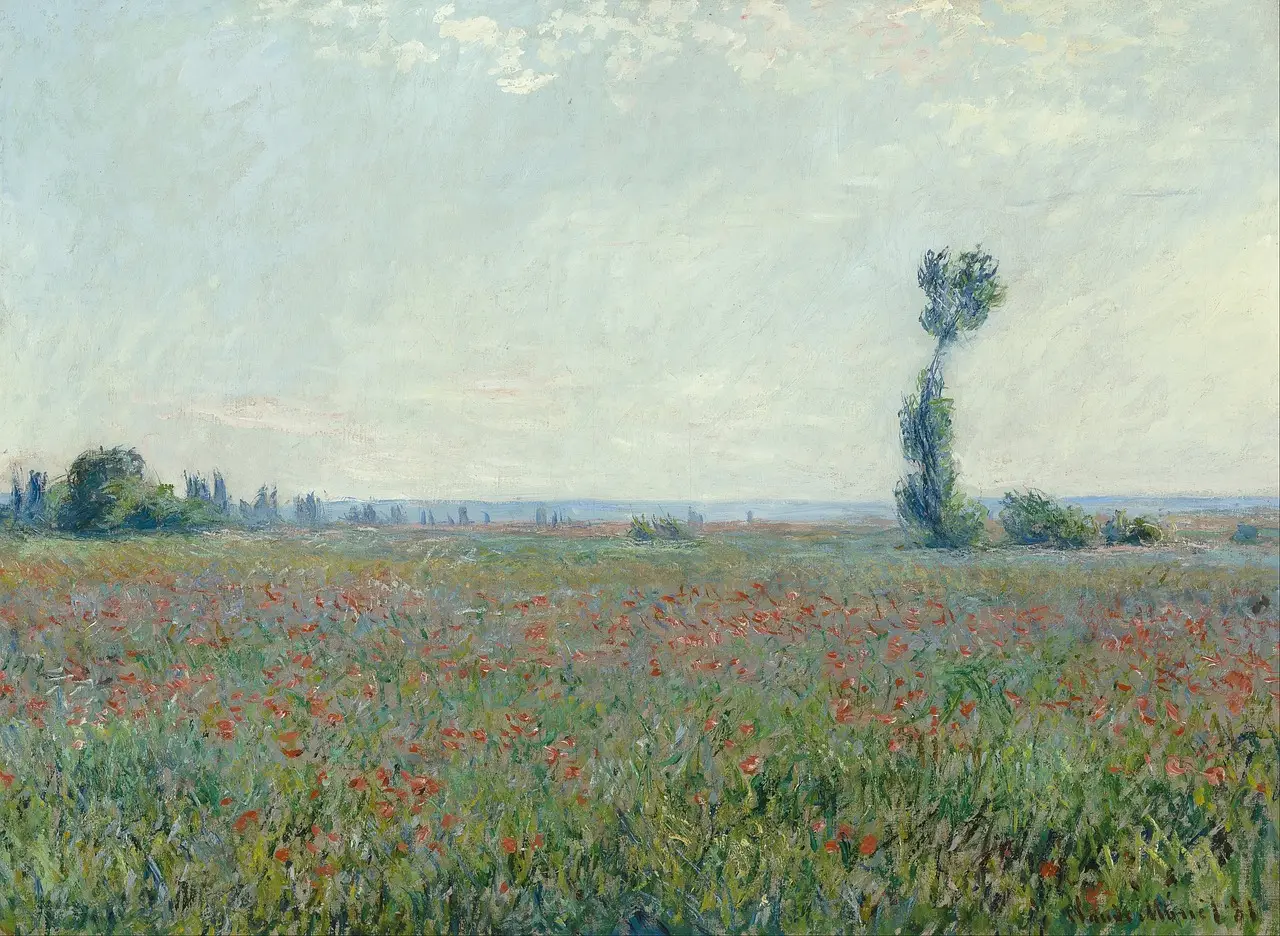
Claude Monet's 'La Barque' (ca. 1874), measuring 2¾ by 3½ inches, fetched nearly $7 million at Christie's — over 20 times its $300,000 low estimate.
Programme
- Monet's La Barque (ca. 1874), 2¾ by 3½ inches, sold for nearly $7 million at Christie's New York on Wednesday against a $300,000–$500,000 estimate.
- More than 20 bidders competed for six minutes and 45 seconds; Rachel White Young won for her client.
- The panel was commissioned by dealer Georges Petit, who paid artists 100 francs to paint on identically cut wood pieces.
- Marlene and Spencer Hays bought it in 2013 at Hôtel Drouot for a €200,000 hammer price.
- The Hays collection of some 600 works went to the Musée d'Orsay in 2016, the largest foreign donation since World War II.
A Claude Monet painting the size of a playing card fetched just shy of $7 million at Christie's Rockefeller Center on Wednesday. Christie's had estimated La Barque (ca. 1874) at $300,000 to $500,000. The final price came in at more than 20 times the low estimate.
The work sold at a day sale of Impressionist and modern art. Day sales receive far less attention than the marquee evening auctions, where high-eight-figure artworks push totals toward the billion-dollar mark when the market is flush. But daytime sessions occasionally deliver real treasures — and, as this sale proved, serious bidding wars.
The numbers behind the hammer price are striking.
- The panel measures only 2¾ by 3½ inches.
- It sold for $722,285.71 per square inch.
- More than 20 bidders competed, some in the room and some by phone via Christie's specialists.
- The contest lasted six minutes and 45 seconds.
Rachel White Young, head of the 20th-century evening sale, won the prize for her client. In plain terms: a postcard-sized panel outperformed its estimate by a factor of twenty.
Why was the painting so small?
The work's diminutive size traces back to its commission. Paris art dealer Georges Petit, a collector and supporter of the Impressionists, commissioned it directly from Monet. The magazine L'Art Moderne described the practice in June 1902. Petit carried small pieces of wood, cut to identical sizes, and handed them to artists he admired. He offered each 100 francs and asked them to return the petite panel as a painting. Camille Corot, Édouard Manet, Camille Pissarro and Pierre-Auguste Renoir all obliged, alongside Monet.
All five panels entered the collection of Thérèse and Frédéric Humbert, notorious figures in French high society. Thérèse claimed to have been willed a fortune by an imaginary American millionaire, Robert Crawford, whose life she had supposedly saved. The couple borrowed against that imaginary fortune, bought a grand home and occupied the center of Parisian social life for two decades. The tissue of lies collapsed when bank officials started asking questions and her creditors sued.
How did it reach Christie's?
The Humberts' possessions were sold in 1902 at none other than Galerie Georges Petit — the same dealer's venue that had commissioned the work. Galerie Bernheim-Jeune bought it, and it remained with that family until 2013. That year, collectors Marlene and Spencer Hays acquired it at Paris auction house Hôtel Drouot for a hammer price of €200,000. Wednesday's result means the work appreciated roughly thirty-five-fold in dollar terms in about a decade.
The Hayses were unlikely art-world titans. They began selling books door-to-door as a summer job for Southwestern Company, then went on to run the business and start a clothing company. Their foundation records their answer when asked about the most fun part of their lives: "learning about art and building a collection that we treasure." They also quoted Sir Richard Attenborough's view that art collectors are "simply its temporary, fortunate and delighted custodians."
The Hays collection ran far beyond this one panel: works by Pierre Bonnard, Edgar Degas, Henri Matisse, Amedeo Modigliani and Édouard Vuillard. The couple proved as good as their word. In 2016 they granted their collection to Paris's Musée d'Orsay — some 600 masterworks from the late 19th and early 20th centuries, the largest foreign collection donated to the museum since World War II. Spencer Hays died the following year; Marlene survived him.
What does the result signal?
The sale underlines what market specialists have long argued: day sales, where dealers stock up on inventory and houses earn much of their profit, can outperform expectations with less stage-managed bidding. For consignors of small-format works by canonical names, the message is concrete — a two-by-three-inch Monet now commands nearly $7 million, and the underbidders who drove a six-and-three-quarter-minute battle suggest demand at this level is far from exhausted.
Original: haysfoundation.org
More from Elena Vasquez
Show full bio
Senior reporter covering technology and product news in arts in the broadest sense at Arts & Voices.
1,564 articles