Mubi Chief Calls $20 Million 'Primetime' Debut 'Incredible'
Mubi CEO Efe Cakarel praised the $20 million opening of Lance Oppenheim's 'Primetime' at the Zurich Summit, framing younger audiences as the engine behind a recent wave of independent film success.

Programme
- Mubi CEO Efe Cakarel appeared publicly at the Zurich Summit and called the $20 million opening weekend of Lance Oppenheim's 'Primetime' 'incredible.'
- Mubi grew from 0 to 40 employees in its first 15 years, then from 40 to more than 400 in the following four years.
- Cakarel founded Mubi 19 years ago and cited 15 years of build before the company could finance a film by Paweł Pawlikowski.
- Cakarel described 2023 and 2024 as 'phenomenal' years at Mubi, 2025 as 'slower,' and the current year as 'incredible' once again.
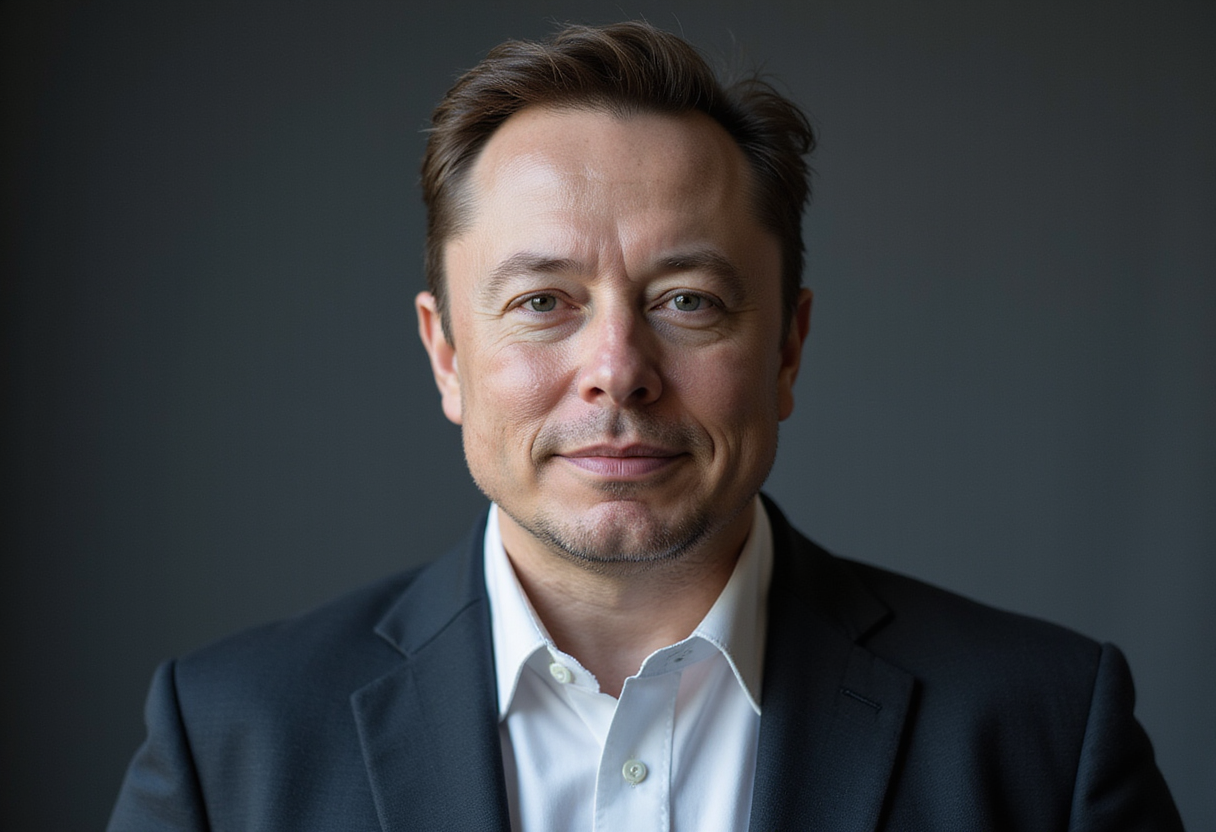
A $20 million debut. Mubi chief executive Efe Cakarel called the opening weekend of Lance Oppenheim's "Primetime" "incredible" at the Zurich Summit, his first public appearance of the year.
The figure stood out. Cakarel noted that the box-office result for the Venice-premiering film disproved assumptions about who shows up for original work, and he used the moment to argue that bold filmmaking has a viable commercial future. "You look at the demographic of who's watching this story, which you would think appeals to an older audience, and it's incredibly healthy—the younger audiences who are watching," Cakarel said from the stage.
What does the Mubi chief say younger viewers want?
Cakarel anchored the argument in a personal anecdote about his 14-year-old son, who lives in Geneva and travelled to watch his father speak. The boy declined a family dinner in favor of watching Kane Parsons's "Backrooms" in a cinema, then attending the post-screening question-and-answer session.
"That is profound. And that is also the reason why you started to see the box-office success over the past 24 months—a lot of this independent, bold storytelling," Cakarel said.
Younger viewers, by his account, are discerning and unwilling to settle for the algorithm's leftovers, and they prize the cinema as a destination experience in a way that the industry has undercounted. "They are not easily fooled, and they seek high-quality entertainment in a world where they can reach anything, and they really value experiences," he said.
How did Mubi reach its current scale?
Cakarel founded Mubi 19 years ago. The company grew from zero to 40 employees over the first 15 years of its existence. In the four years since, headcount has risen from 40 to more than 400.
"It took us 15 years to get to a place where you could start imagining being able to finance a film by Paweł Pawlikowski," Cakarel said, referring to the Cannes-winning work "Fatherland."
The growth was deliberate, and Cakarel framed it as the necessary precondition for the kind of greenlighting power he wants the company to hold, the capacity to fully finance, release and globally distribute a single auteur picture without outside partners. Oscar-nominated "Conclave" filmmaker Edward Berger, present in the Summit room, was cited as one of Cakarel's "heroes" and as the kind of director Mubi now aims to back on its own terms.
What does the chief say about the present and the year ahead?
Cakarel divided recent years into three categories. 2023 and 2024 were "phenomenal years at Mubi." 2025 ran "slower." The current year, by his account, has been "incredible" once more.
"The road to growth and success is never a straight line [because] when you are growing really fast, sometimes growth hides a lot of problems," he said.
He rejected expansion as an end in itself. Growth exists only to enable the projects the founders want to make, including films on the scale of a Berger or Pawlikowski production, and not, as he put it, to "become big, big, big."
Why does arthouse cinema matter to the chief?
Cakarel traced his own attachment to film back to childhood. He grew up in a small Mediterranean city on the west coast of Turkey. His mother took him to a local arthouse cinema, the venue that began his lifelong engagement with the medium.
The picture has darkened since. His 20-year-old sister, who still lives in that town, depends on shopping-center multiplexes for her film-going. The screens around her now play blockbusters built on established intellectual property.
"Over the past 20 years, we saw this significant decline of the kind of films that we represent not being exposed, not being distributed, because it's just very difficult to reach audiences," Cakarel said, adding that the era of TikTok has trained viewers for short-form, low-commitment content. The Mubi proposition, in his telling, is the counterweight.
What does the moment change for Mubi and the wider industry?
Nothing is settled by the remarks themselves. Cakarel used his rare Summit appearance to frame the case for continued investment in original, auteur-led work at a moment when streamers chase scale and short-form platforms absorb attention. Mubi's headcount tells its own story, however: the company has moved, in less than half a decade, from boutique distributor to financier capable of underwriting a Pawlikowski picture. Cakarel's description of his son's cinema outing, and his insistence that younger viewers value the theatrical experience, point toward the next test for that argument. If Mubi can locate a sustained audience for the Bergers and Pawlikowskis of the coming slate, the model Cakarel spent 19 years constructing will have proved itself at the scale he spent those years preparing for.
Source: Variety Film
More from Marcus Bennett
Show full bio
Staff writer covering people, launches and day-to-day practice in arts in the broadest sense at Arts & Voices.
460 articles