Nathan Felix Premieres Headphone Opera 'Glory Gone' in San Antonio
Nathan Felix's headphone opera 'Glory Gone', about a pop singer scarred by an obsessed photographer, premieres at San Antonio's Luminaria Festival on Nov. 14.
Programme
- Nathan Felix premieres 'Glory Gone' at the Luminaria Festival in San Antonio on Saturday, Nov. 14.
- The opera is performed through headphones, with audience members walking among the performing singers and actors.
- Soprano Kathryn Piña sings Gloria; Richard Castillo conducts and Grammy-winner Erik Wofford engineers.
- The plot follows Gloria, a Hispanic pop singer whose career ends after an assault by an obsessed photographer.
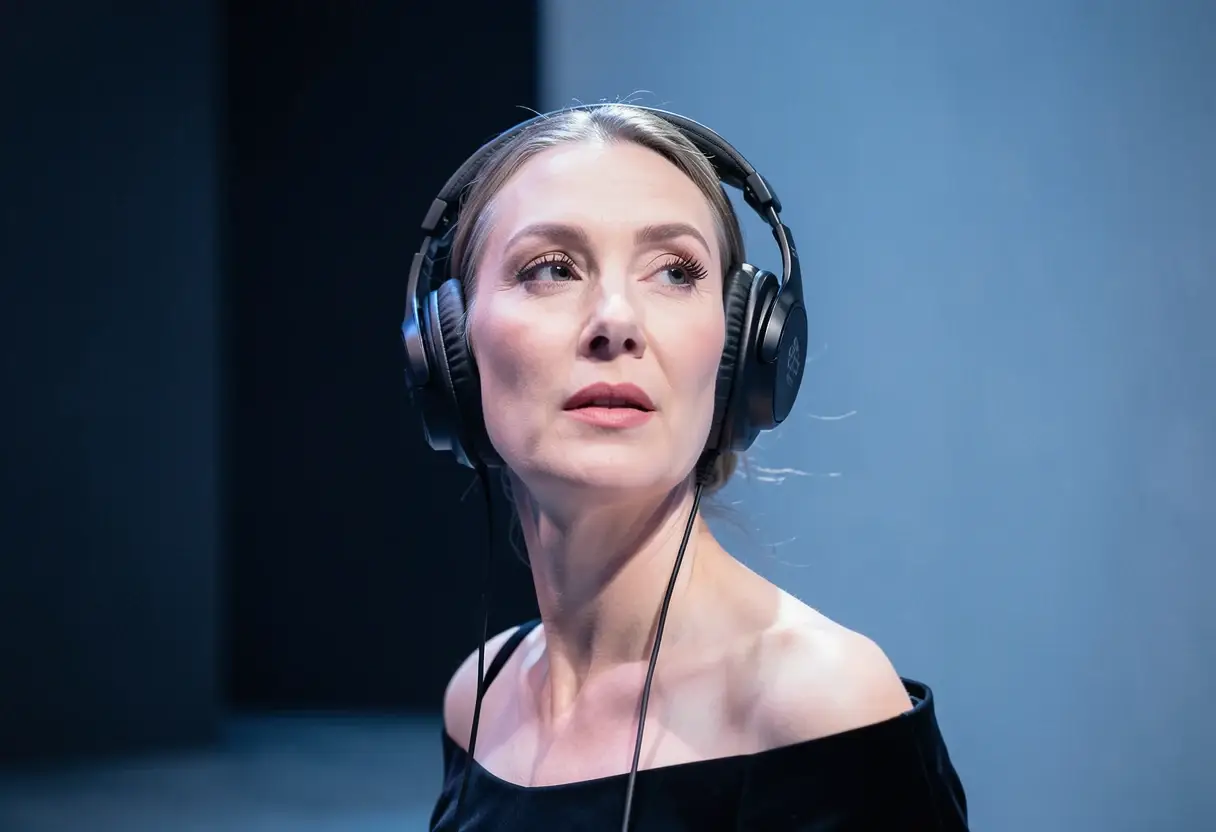
Composer Nathan Felix premieres his immersive headphone opera "Glory Gone" at the Luminaria Festival in San Antonio on Saturday, Nov. 14. The format is the hook: audiences wear headphones and wander among the performers rather than sit and watch from a distance.
The story Felix tells is not gentle. "Glory Gone" follows Gloria, a Hispanic pop singer who rises from poverty to national prominence, only to be assaulted by an obsessed photographer after a concert. The attack leaves her with a scarred neck that ends her singing career. Gloria then struggles with her self-worth and plots revenge against her assailant.
Who sings what?
The cast is compact and specific:
- Soprano Kathryn Piña sings Gloria, the scarred pop star at the center of the work.
- Tenor Kevin Arratia-Diaz plays The Obsessed Photographer, her assailant.
- Mezzo-soprano Jennifer Root takes the role of The Super Fan.
- Soprano Daija Vanegas sings Vivian Loder, a news reporter.
- Soprano Jennifer Lopez rounds out the principal cast as The Music Agent.
Richard Castillo conducts. Erik Wofford, a Grammy-winning engineer, handles the engineering — a credit that matters here more than usual, since the entire piece reaches the audience through headphones rather than a hall's acoustics.
How does the audience experience it?
The mechanics are simple and unusual for opera. Audience members receive headphones before entering the performance space. Once inside, they can walk among the areas where the singers and actors perform — effectively choosing their own vantage points, and perhaps their own proximity to the drama, as the work unfolds around them.
That mobility is the point of the headphone format (sometimes called a "silent opera," in which the sound mix is delivered individually to each listener rather than amplified into a room). It collapses the distance between spectator and story, which suits a plot about a celebrity whose private trauma becomes public property.
A piece about a woman whose voice is taken from her, staged so the audience hears that voice inches away through intimate headphones, carries an obvious irony. Felix appears to have built the contradiction into the design.
The premiere places new opera alongside the Luminaria Festival's broader contemporary arts programming on Nov. 14, and the one-night headphone format suggests a work built for festivals rather than the repertory stage. Whether "Glory Gone" travels beyond San Antonio after its Luminaria debut will depend, as these things do, on how the piece sounds with the headphones on.
Source: Opera Wire
More from Daniel Okafor
Show full bio
News editor covering companies, deals and strategy in arts in the broadest sense at Arts & Voices.
1,259 articles