Netanyahu Orders Prosecution of Soldiers Interviewed in 'NAZA'
Benjamin Netanyahu has ordered the identification and prosecution of soldiers interviewed in 'NAZA', the Guardian-produced Gaza documentary by Oscar winners Yuval Abraham and Rachel Szor.
Programme
- Netanyahu ordered the attorney general and Shin Bet chief to identify and prosecute interviewees in the documentary NAZA.
- He accuses them of causing "harm to Israel's diplomatic and security interests".
- NAZA is directed by Oscar winners Yuval Abraham and Rachel Szor and produced by the Guardian.
- The film is in cinemas in the UK and US and will screen in more than 50 countries.
- The trailer was released on 25 September 2026.
Israeli prime minister Benjamin Netanyahu has ordered the attorney general and the head of the Shin Bet security service to identify and prosecute soldiers and officers interviewed in the documentary NAZA, accusing them of causing "harm to Israel's diplomatic and security interests."
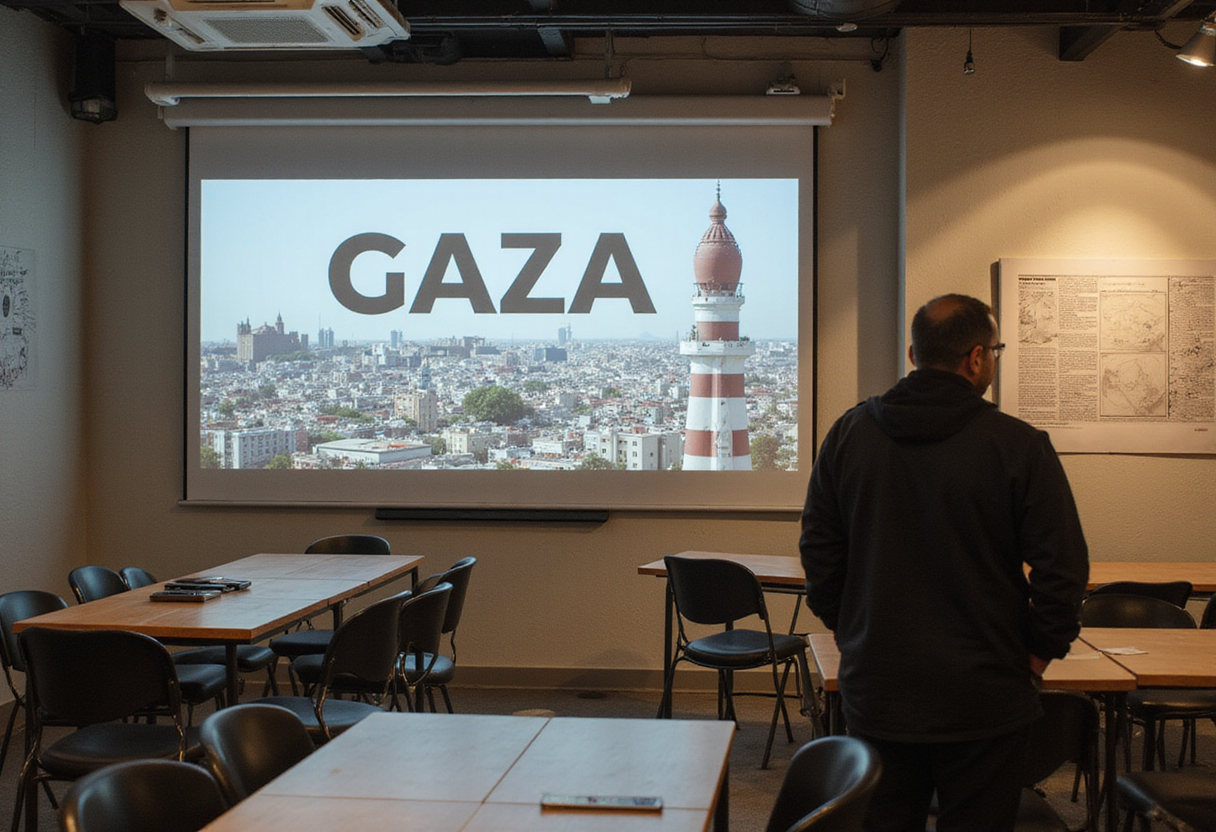
The film is an investigative documentary produced by the Guardian and directed by Oscar-winning film-makers Yuval Abraham and Rachel Szor. It details Israel's mass killing of civilians in Gaza.
What is 'NAZA'?
The documentary has already reached audiences far beyond the festival circuit. It is currently in cinemas, including in the UK and the US, and is set to be shown in more than 50 countries. Its official trailer was released by the Guardian on 25 September 2026.
Abraham and Szor bring award-winning credentials to the project. Their film builds on testimony from serving soldiers and officers — the very people Netanyahu now wants unmasked and criminally investigated.
What does the prime minister's order demand?
Netanyahu's instruction has two targets: the country's attorney general and the head of the Shin Bet, Israel's internal security service. He wants them to:
- Reveal the identities of the soldiers and officers who appear as interviewees in NAZA;
- Prosecute those individuals for what he describes as "harm to Israel's diplomatic and security interests."
The order amounts to an attempt to criminalise participation in a journalistic work — a step with obvious implications for press freedom, whistleblowers and any member of the security apparatus who speaks on the record to documentarians.
Why does this matter for the arts and film world?
NAZA arrives at a moment when documentary film is functioning as a primary record of the Gaza conflict. By targeting the film's interviewees rather than the film's claims, Netanyahu's order shifts the pressure onto sources — the individuals whose testimony gives the work its evidentiary weight.
The Guardian, as producer, now faces the prospect that its sourcing methods become the subject of a state security inquiry. The film-makers themselves, Yuval Abraham and Rachel Szor, are not named as targets of the order, but the identification of interviewees would inevitably expose the reporting networks behind the production.
The film's continued rollout — in cinemas across the UK and US, and eventually in more than 50 countries — guarantees that the confrontation between the documentary and the Israeli government will play out publicly over the coming months. Whether prosecutions of interviewees actually follow will test how far a state can go in punishing those who testify on camera.
Original: haaretz.com