Netflix's Eyeline Chief: Generative AI Still Needs Artists' Judgment
Netflix's Eyeline GenFX chief James Rustad told Busan that generative AI expands VFX options on "Brazil '70" — but artists decide which shots serve the story.
Programme
- James Rustad, global head of GenFX at Netflix's Eyeline, spoke at Busan's Asian Contents & Film Market on October 2024 festival programming.
- Netflix's "Brazil '70: The Third Star" contains more than 1,300 VFX shots, over 800 of them on the soccer field.
- Eyeline works with 45 artists on a hybrid generative-plus-traditional VFX pipeline.
- Rustad outlined a four-stage generative AI workflow: setup, narrative, look and delivery.
- Rustad said "Artists' judgments are also important" in deciding which generated results become finished shots.
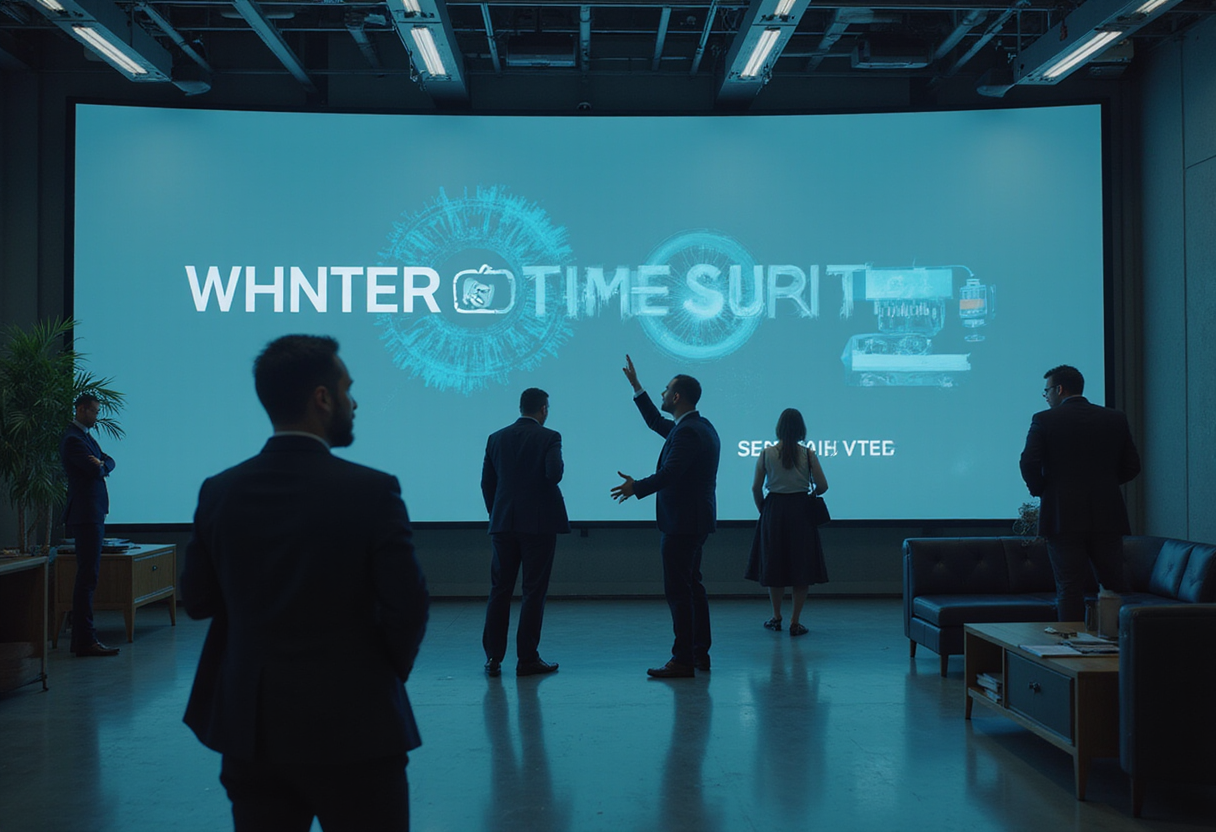
Generative AI can multiply the options for a visual effects shot, but artists still decide which of them serve the story. That is the position of James Rustad, global head of GenFX at Eyeline, Netflix's in-house VFX studio, who laid out his case at the Busan International Film Festival's Asian Contents & Film Market.
Rustad spoke at an InnoAsia session titled "Making What's Next: Generative AI and the Future of Filmmaking at Eyeline." His reference point was Netflix's "Brazil '70: The Third Star," a series with more than 1,300 visual effects shots — over 800 of them set on the soccer field.
Eyeline runs a hybrid approach with 45 artists, Rustad said. Generative tools enter a pipeline that also draws on established effects techniques.
What does AI replace — and what does it not?
Asked which aspects of filmmaking AI cannot replace, Rustad pointed to how quickly the technology is advancing. He steered the discussion toward where generative tools belong in filmmaking today and which tasks they should handle.
"Artists' judgments are also important," he said.
His presentation mapped four stages of a generative AI shot workflow:
- Setup — prompts, reference gathering and initial tests establish the available options
- Narrative — results are assessed against the story
- Look — visual refinement, including lighting, scene details and period accuracy
- Delivery — compositing, upscaling, bit-depth checks and technical review
The workflow places a narrative decision between initial experimentation and visual finishing. It moves from "what's possible" to "what works for the story." That step is where artists' judgment comes in: selecting which generated results should become finished shots.
The position from one of the industry's largest streamer-affiliated studios signals that, even as generative tools spread through VFX pipelines, the editorial call on what reaches the screen stays with human artists.
Source: Variety Film
More from Tom Whitfield
Show full bio
Market editor covering industry trends and analytics at Arts & Voices.
395 articles