'Night of a Thousand Hells' Opens with a Bomb and Never Apologizes
Europa Editions publishes 'Night of a Thousand Hells' in English, translated by Stephen Epstein and Tiffany Tsao. It opens with a bombing and a sister's guilt.
Programme
- Night of a Thousand Hells is translated from Indonesian by Stephen Epstein and Tiffany Tsao
- Europa Editions publishes the English edition, copyright © 2026
- The plot centers on three sisters, the youngest of whom becomes a suicide bomber
- The final line frames the novel: 'For Jannah, she created Jahannam — for Heaven, she created Hell'
- The excerpt appeared with the publisher's permission ahead of the book's availability
A suicide bombing opens Night of a Thousand Hells, the Indonesian novel excerpted this week by Europa Editions in a new English translation by Stephen Epstein and Tiffany Tsao. The bomber is the youngest of three sisters. The survivors must explain her.
The excerpt, published with the publisher's permission (copyright © 2026), wastes no time on preamble. The first explosion arrives before the first name. Disaster, the narrator says, "slither out into the audience, pushing onward into homes and hospital waiting rooms. Then into your bedroom, into your bed."
The prose keeps its inventory concrete: black smoke, rubble, shattered glass, frantic firefighters, body parts on the asphalt, "blurred for broadcast." Cries of "Ya Allah, Ya Allah" run through the scene. The stench, the narrator notes dryly, "can't be captured on camera."
Who is Annisa?
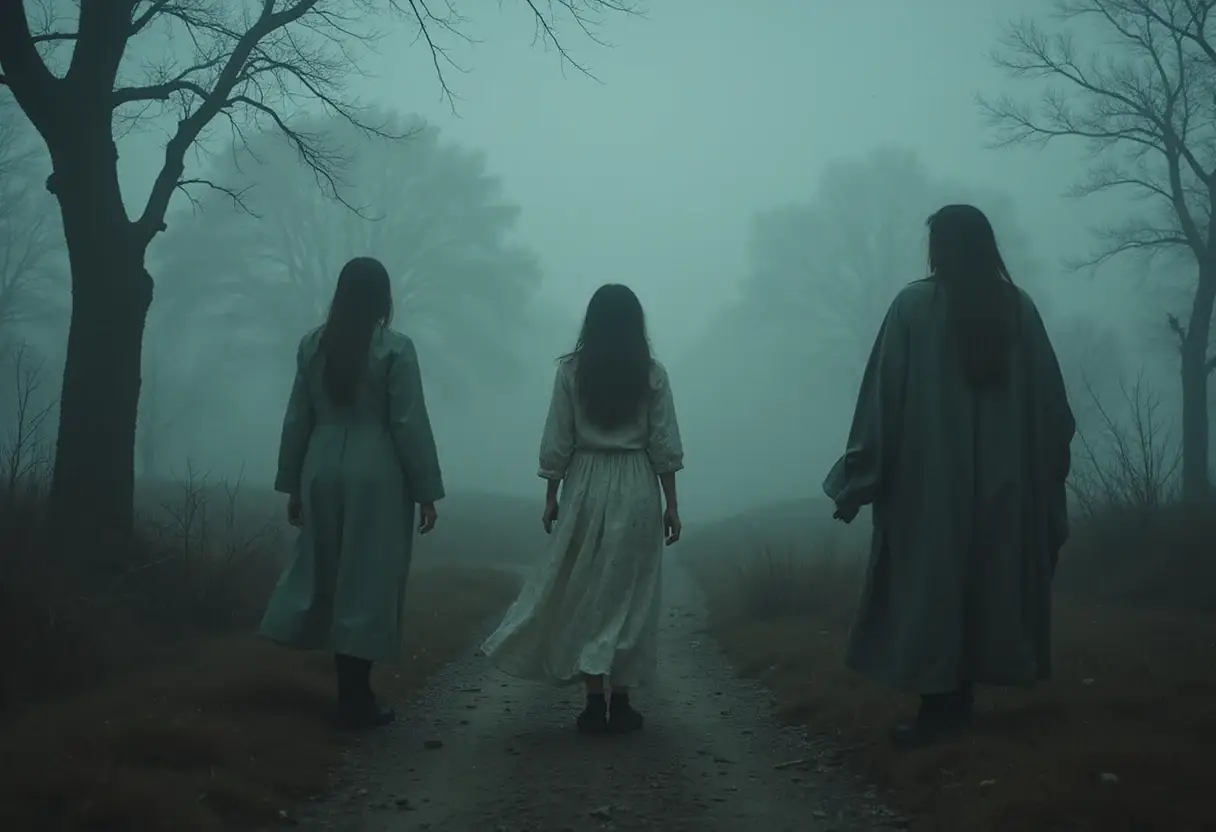
The bomber gets a name only after the second explosion. Annisa is "the beautiful sister, the pious one, the apple of Papa's eye." The newspapers call her the woman in black. The narrator corrects the record: black never appealed to Annisa. She wore only white, "jasmine white, pure and immaculate."
That correction becomes the excerpt's centerpiece. The narrator reconstructs, in bridal detail, the wedding Annisa presumably deserved — embroidered lace veil, chubby-cheeked nieces, jealous sisters also in white, "a heady fragrance sweeping in, as if from Paradise. Or from the grave."
The verdict lands in the final line: "For Jannah, she created Jahannam — for Heaven, she created Hell." Jannah is the Islamic paradise; Jahannam its hell.
What do the surviving sisters do?
They look back. The two older sisters must "find out where they left her behind," the narrator says, because their remorse demands "greater restitution." The guilt is intimate and ugly. At one point they admit: "We should have tossed her into the well after all, those many years ago, like Yusuf's brothers when they betrayed Yusuf."
The allusion is to the Quranic and biblical Joseph, sold by his brothers. Here the imagined fratricide runs in reverse — killing the child to prevent the killer.
The search unfolds through memory of the grandmother's house, called Victoria's House. Nana, the grandmother, once set the three granddaughters hunting for a hidden key. Her promise: "Whoever finds my key shall travel far." The neighbors' counter-whisper: "You're always on the same path, going in circles. You never arrive."
The house itself is inventory-driven, almost a stage set: a dark kitchen with a black cement floor, enormous pots on sturdy hooks, a goading well out back, a forbidden chamber, and "the soft lullabies of some presence neither alive nor dead."
Is there an answer?
No. The narrator says so plainly: "There is no answer to be found in this story, no magic pill, pleasingly round, to be halved or crushed, then swallowed." It is a story "of those who fail, who fall into debt, who shift shape."
The register shifts between reportage and incantation. One paragraph gives body counts; the next gives Nana's prophecy to little Annisa — "You will be a beautiful bride" — and asks the reader directly: "Tell me, what kind of bride did you think she'd make?"
The opening line sets the frame: "Revolutions always begin with ugly stepsisters. Our little sister was neither ugly nor revolutionary." It's a statement that withholds more than it gives, which appears to be the method. Who knows, the narrator asks, "what darkness lurked in her heart when she strapped on a bomb and blew herself up."
Why it matters
The excerpt signals Europa Editions' continued investment in translated Indonesian fiction, with two established translators — Tsao is a noted translator and novelist — carrying the voice into English. The book is available now through the publisher and independent booksellers. Readers wanting resolution should note the narrator's warning: on this road, you never arrive.
Original: bookshop.org
More from Daniel Okafor
Show full bio
News editor covering companies, deals and strategy in arts in the broadest sense at Arts & Voices.
764 articles