No AI Allowed: The Handmade Costumes Behind Just Dance's New Game
Ubisoft's Just Dance: Decades of Hits launched Tuesday with roughly 100 handmade costumes — and costume lead Benjamin Jouffret says AI plays no part: "It's our art."
Programme
- Ubisoft launched Just Dance: Decades of Hits on Tuesday, created without AI.
- The team makes roughly 100 handmade costumes per installment across Paris and Shanghai studios.
- Each character takes two to three weeks of design and about four weeks of production, filmed in a single day.
- Costumes from the franchise's 17-year history are stored in Paris, with a possible exhibition planned.
- Costume lead Benjamin Jouffret has overseen the game's characters for eight years.
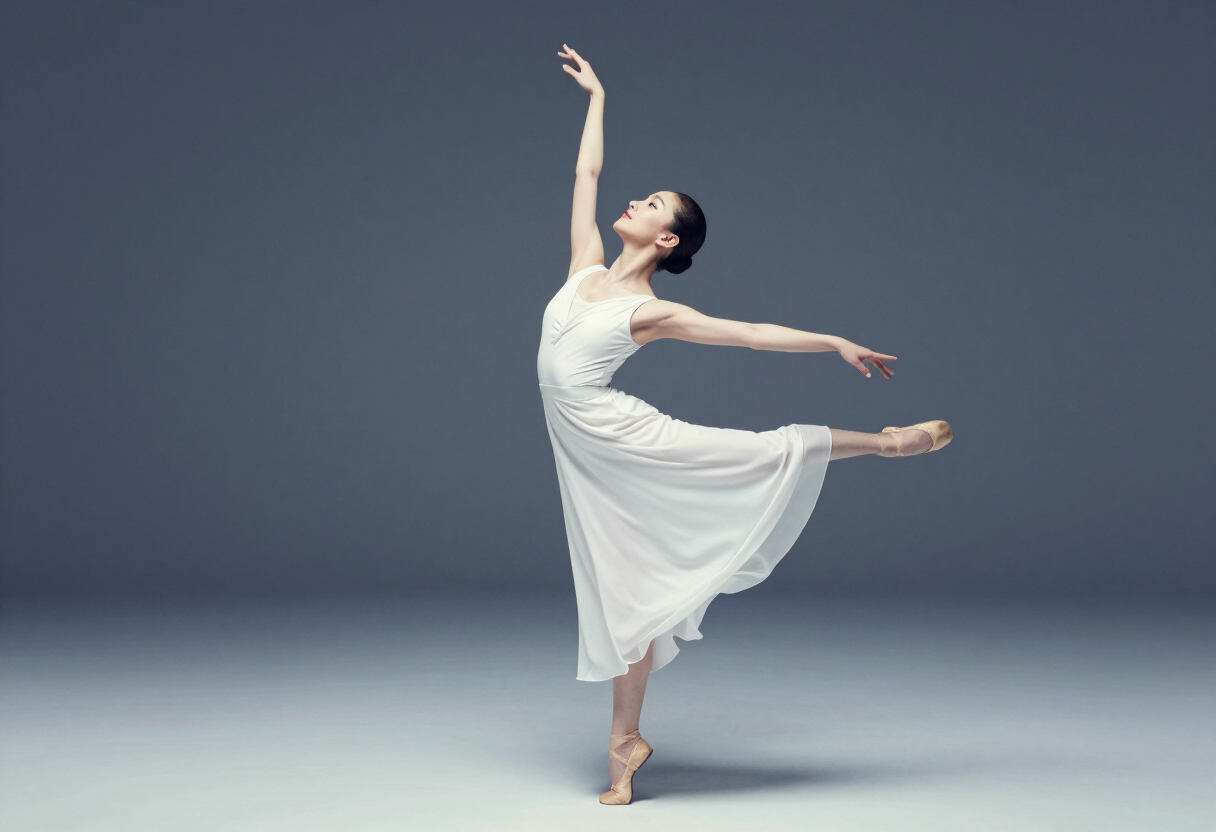
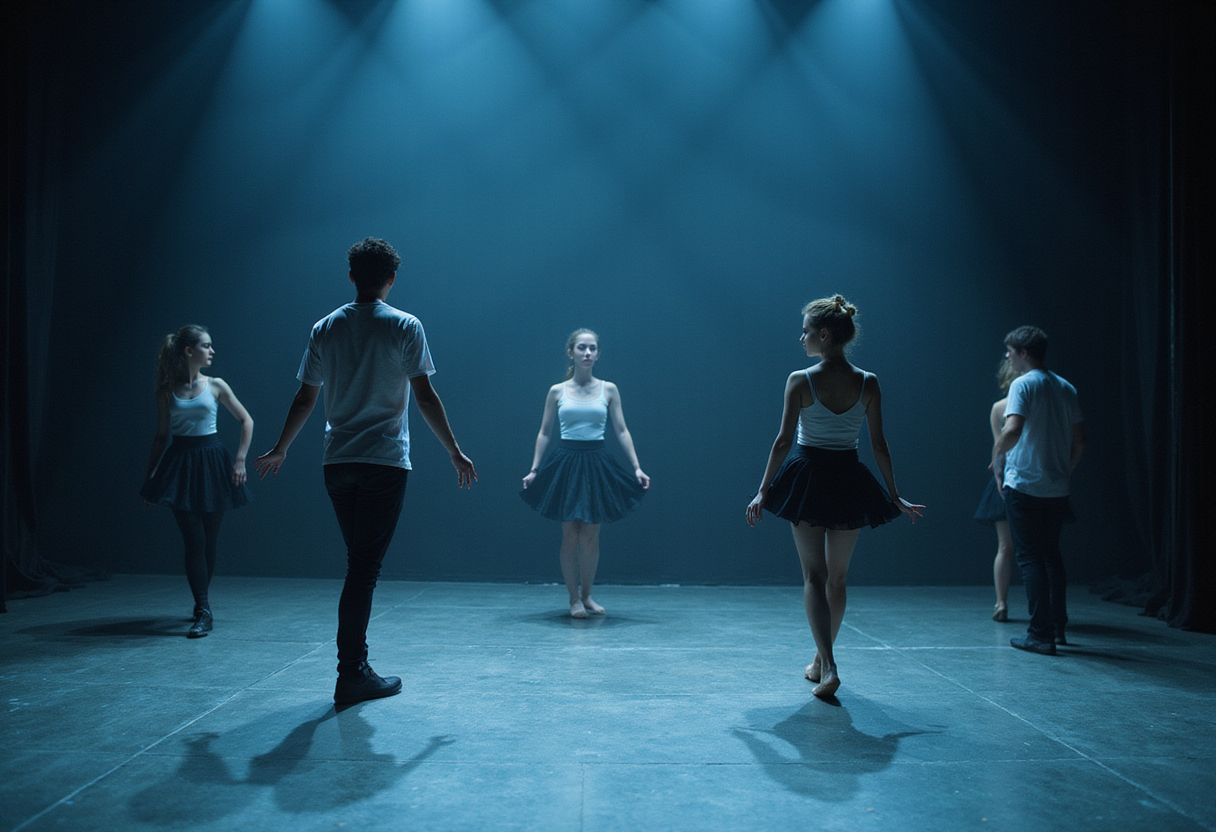
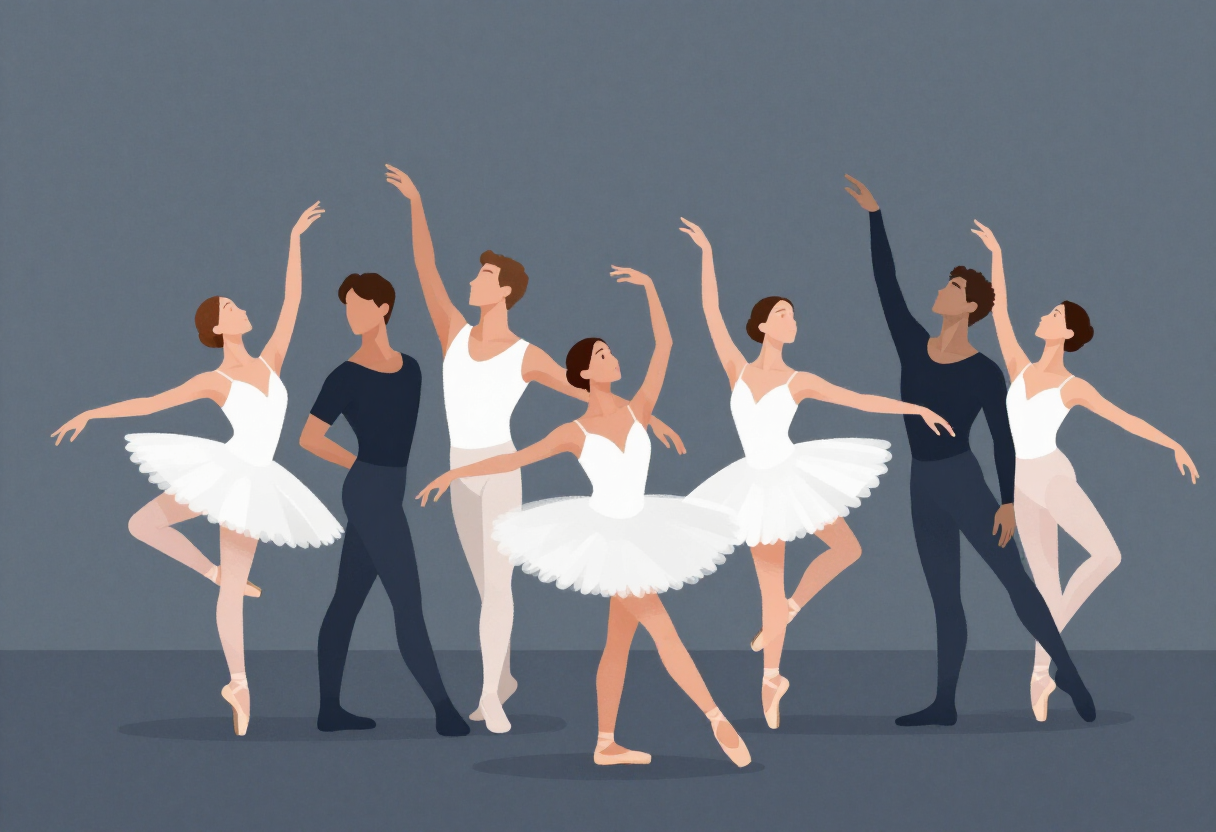
Ubisoft launched "Just Dance: Decades of Hits" on Tuesday, and every character in it was built by hand — no AI anywhere in the pipeline. Real dancers wear handmade costumes, wigs and makeup, are filmed against a green screen, and are then integrated into the game.
"We are really loving what we do. It's our art. It's what we love," Benjamin Jouffret, the game's costume designer and character lead, told Variety. "We are proud of working, sketching ourselves, creating what is in our minds and making real costumes with real costume makers."
Jouffret has spent the past eight years overseeing the costumes and characters that appear on-screen. He studied fashion and worked as a stylist before joining the franchise. His team, he says, is committed to creating its characters without AI — a deliberate stance at a moment when studios across the industry are automating creative work.
How does a Just Dance character get made?
The process starts with a one-day brainstorming session. The creative team listens to a song and watches its music video to set a character's direction — sometimes drawing directly from the artist, sometimes heading somewhere else entirely.
Those decisions shape the game's maps, which combine characters with backgrounds and environments. "If you want to create a map for the community or the hardcore players, we know that they will really want to have a connection with the singers," Jouffret explains. "If you have a Lady Gaga song, you want Easter eggs. For that, we are really inspired by the artists."
From there, the team settles the format — solo, duo or trio, with up to 10 characters in a single dance — and the character type. "We also decide if you want a casual costume, or an alien or a mascot or a nonbinary character," Jouffret says. "We do a lot of things."
The workflow then runs through:
- mood boards built from films, music videos and other media;
- sketches and finalized designs;
- casting from a roster of dancers who can embody the character and fit the choreographer's vision;
- two to three weeks of design, roughly four weeks of production, and a single day of filming.
Production includes fittings, hair and makeup tests, and rehearsals to make sure the costumes survive the choreography. The team creates roughly 100 costumes per installment, split between the lead studio in Paris and a partner studio in Shanghai.
What does craft cost, and what does it buy?
Practicality constrains every design. "We can't make beautiful costumes if they can't be used by the dancers," Jouffret explains. "We can do what we want, but we have to do it smartly."
The team learned that limit the hard way. Experiments with 3D printing failed because the materials were too heavy for dancers to move in comfortably; today the technique is reserved for small, intricate accessories.
The hand-built approach also shapes representation on screen. The game features dancers with different backgrounds and abilities. In one installment, the team worked with dancer Jana Bruno, who has one arm, earning recognition for its diversity efforts.
For "Decades of Hits," the new character Lyra is the daughter of a character introduced in a previous game; players follow her search for her father through dance. The franchise releases a new installment every year and sometimes revisits earlier characters and storylines.
What happens to seventeen years of costumes?
Hundreds of costumes from the franchise's 17-year history sit in storage in Paris — a physical archive of the labor behind the game's look. Jouffret says the team hopes to showcase the creations through a potential exhibition or runway presentation, though some pieces would need repairs after the wear and tear of filming.
That archive may be the clearest test of the studio's position. A refusal of AI is easy to state; an exhibition of wearable, dancer-tested costumes would make the argument in fabric.
Source: Variety Film
More from Tom Whitfield
Show full bio
Market editor covering people, launches and day-to-day practice in arts in the broadest sense at Arts & Voices.
510 articles