One in a Million review: freedom, family and the cost of flight
The BBC documentary follows Nisreen, Israa and Tarek from Syria toward Germany across 2015-2025, showing how flight redraws family ties, identity and power.

Programme
- Azzam and MacInnes’s BBC documentary spans 10 years, from 2015 to 2025.
- Nisreen hikes across the Balkans toward Germany with four children after leaving Aleppo during the civil war.
- Israa is 11 and works as a street vendor in Izmir while waiting to cross the Aegean.
- A few years later, Israa is a football-playing teenager in Cologne who worships Justin Bieber.
- A young man becomes Israa’s husband, and she later returns to Aleppo.
By Grace Kim
One in a Million follows the Syrian family of Nisreen and her eldest daughter, Israa, over 10 years, from 2015 to 2025. Itab Azzam and Jack MacInnes’ BBC refugee documentary concentrates on Israa while turning displacement into a study of marriage, adolescence, work and power inside one household.
At the start, Israa states the film’s central proposition: “War is not as hard as what comes after.” The line anticipates a story in which leaving Aleppo may end immediate danger, but cannot restore the family’s former shape.
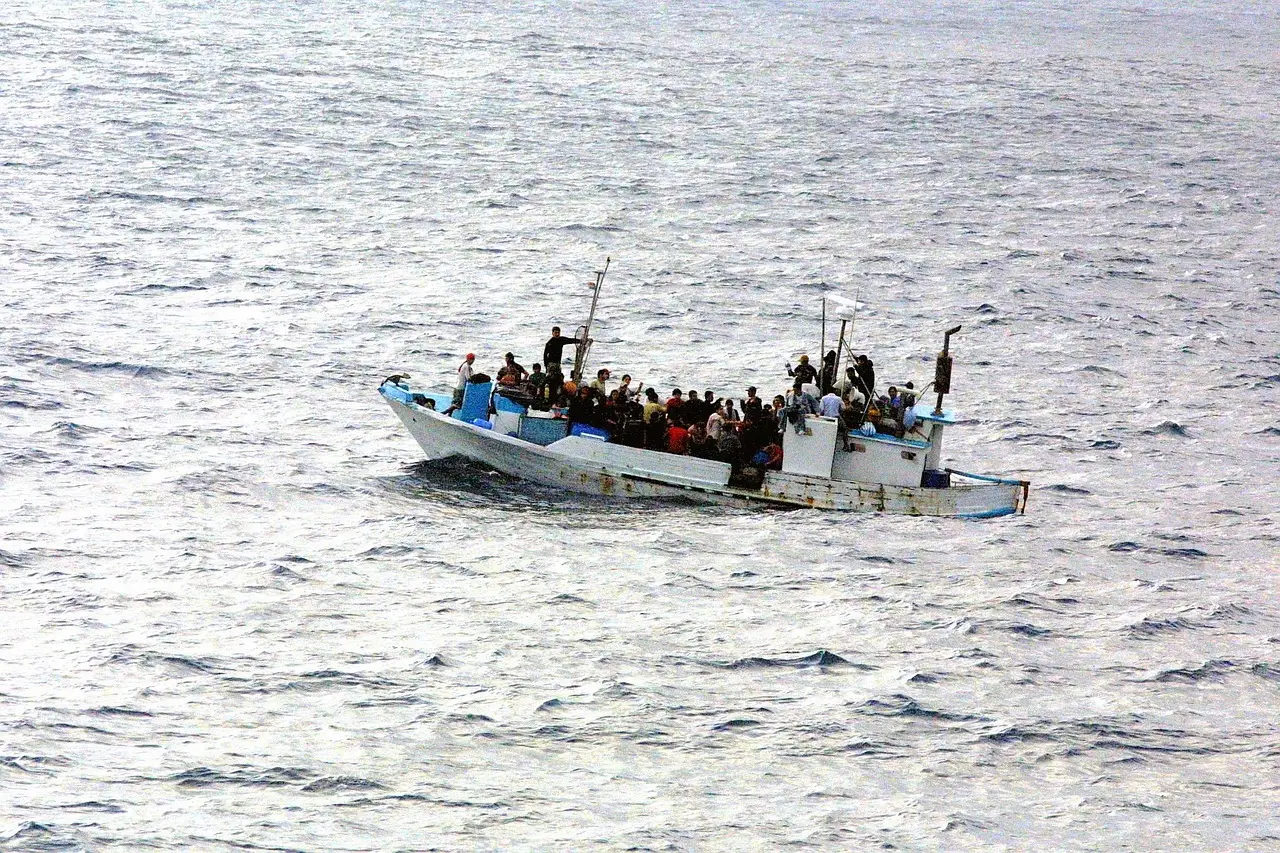
A startling early sequence shows Nisreen, a Syrian mother, hiking across the Balkans toward Germany with four children in tow. She says: “This is the best holiday I’ve ever had! It’s an amazing adventure. Now I have the chance to walk in the rain – I love it!”
Nisreen entered an arranged marriage early and had never left Syria before the civil war forced her out of Aleppo. For Azzam and MacInnes, her sudden joy makes the unknown a form of total liberation, rather than merely a change of scenery.
The documentary avoids the usual refugee dichotomy: external threat or history’s victim. Instead, Azzam and MacInnes show the “knotty reality” of geographical displacement (forced movement across borders) and cultural dislocation (the strain of living between different social conventions). Their result is forthright and highly moving because ordinary behavior carries the scale of upheaval.
That method gives the film its unusual balance of immediacy and duration. The camera records small daily negotiations while the 2015-2025 span lets their consequences accumulate, rather than reducing a family to one trauma or border crossing.
What does displacement change for the family?
Eleven years old in the Turkish city of Izmir, Israa is a quick-smiling street vendor waiting to cross the Aegean. Her apparent cheerfulness rests on the family’s seemingly unbreakable solidarity. The scenes establish displacement as something the family experiences together, even when its members understand the journey differently.
Just a few years later, in Cologne, Israa is a football-playing teenager who worships Justin Bieber. She praises democracy because it gives her freedom to do whatever she wants, a confidence her father increasingly struggles to accept.
Her father, Tarek, welcomes change “with limits,” and he does not know about Israa’s secret boyfriend. When she and Nisreen apply makeup in front of the filmmakers’ cameras on Nisreen’s birthday, he puts his foot down. Israa becomes distraught by the confrontation.
Then Nisreen, who has embraced a Western feminist account of women’s equality, kicks Tarek out of the house. The reversal exposes a neglected side of migration’s public argument: newcomers alter host countries, while host countries also reshape newcomers.
The practical change is not simply a new country. The move rewrites the family’s internal hierarchy: Tarek loses control of his daughter and then his home; Nisreen claims authority; Israa gains room to choose. The documentary makes these shifts visible through actions within the house, not through abstract declarations about cultural integration.
A young man becomes Israa’s husband, and through that relationship she draws closer to her Syrian and Muslim identity. She ultimately returns to Aleppo, closing the geographic journey without resolving every tension inside the family.
Tarek’s change proves harder to repair. Once a respected shawarma chef, he confronts his loss of status and admits that he made his family pay for it. Israa’s early warning—“War is not as hard as what comes after”—now reads as a judgment on the peace that follows flight.
Azzam and MacInnes sift the debris of the decade to give each breakthrough maximum effect. Their editing makes hard-won transformations easy to recognize, though the compressed pace leaves viewers wanting another hour with the steps that produced them.
The film also sustains two journeys at once: movement between countries and adjustment within the family. That structure keeps its account of external upheaval tied to the quieter subjects of obedience, intimacy, status and belonging.
By refusing both threat and victim clichés, the documentary makes displacement legible as a prolonged negotiation over authority, identity and belonging. Its lasting challenge is practical: viewers must judge the family’s ten-year reconstruction, not a single dramatic crossing. Azzam and MacInnes meet that challenge with a portrait of hard-won change rather than a tidy conclusion.
Source: Guardian Film
More from Grace Kim
Show full bio
Correspondent covering technology and product news in arts in the broadest sense at Arts & Voices.
996 articles