Patrick Wang's 'A. Rimbaud': A Three-Hour One-Man Biopic That Tests Its Audience
Patrick Wang's three-hour one-man biopic 'A. Rimbaud,' with Blake Draper as the poet, opens November 6 at LA's Laemmle Nooho 7 — and its review suggests an endurance test.

Programme
- A. Rimbaud opens at LA's Laemmle NoHo 7 on Friday, November 6.
- The film runs three hours with Blake Draper playing Rimbaud from ages 16 to 37.
- It is writer-director Patrick Wang's fourth feature in fifteen years.
- Dan Schlosberg's score is his first feature-composing credit.
- Rimbaud was arrested at Gare du Nord over a 13-Franc unpaid fare.
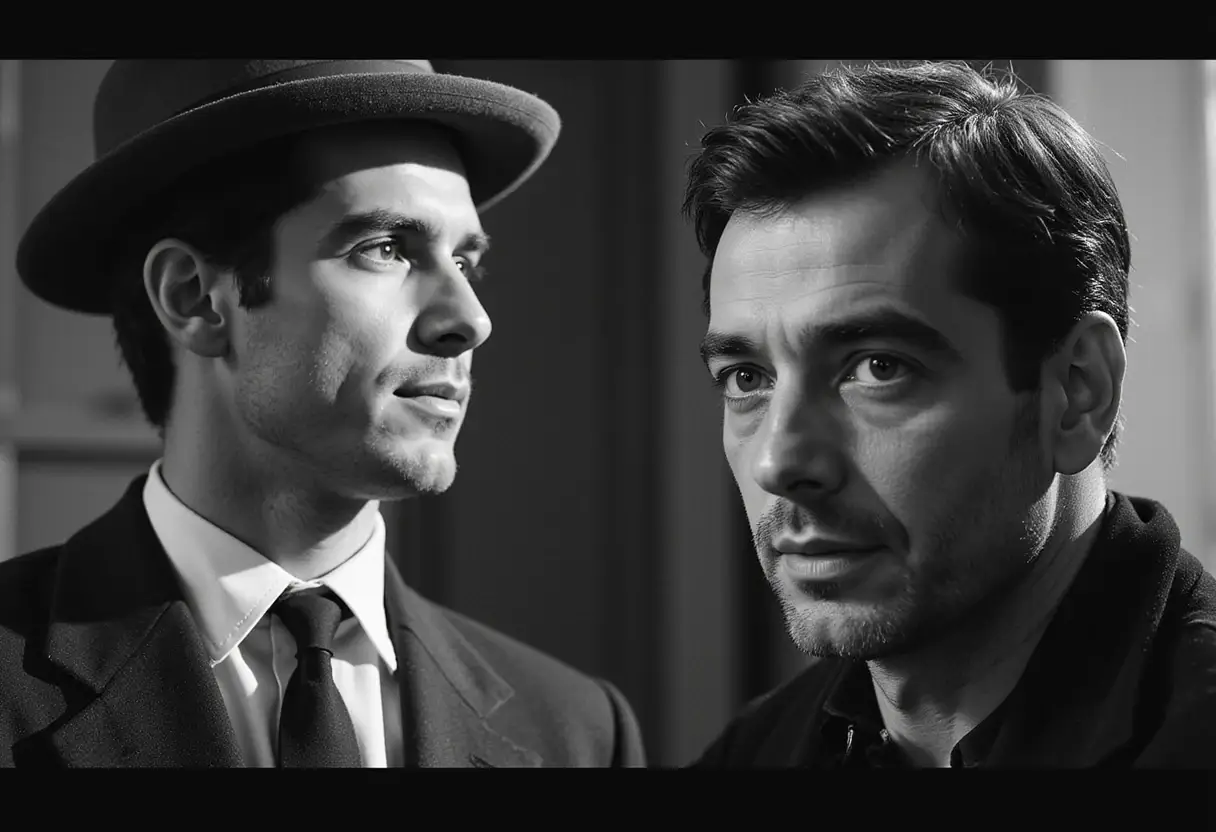
Patrick Wang's fourth feature in fifteen years, A. Rimbaud, opens at LA's Laemmle NoHo 7 on Friday, November 6 — and it runs three hours with a single performer on screen. Blake Draper plays the French poet Arthur Rimbaud at every age, from 16 to 37, when he died of cancer.
Wang strips the biopic to its subject alone. Rimbaud narrates his schoolboy days in Charleville, his arrest at Gare du Nord for failing to pay a 13-Franc fare he could not afford after fleeing to Paris in the wake of the Franco-Prussian War, his volcanic romance with Paul Verlaine, and his abandonment of literature for exploration. The review at The Film Stage, on which this report draws, finds the approach respectable but punishing: "Rimbaud was about as annoying as people get."
What does the film's restraint achieve?
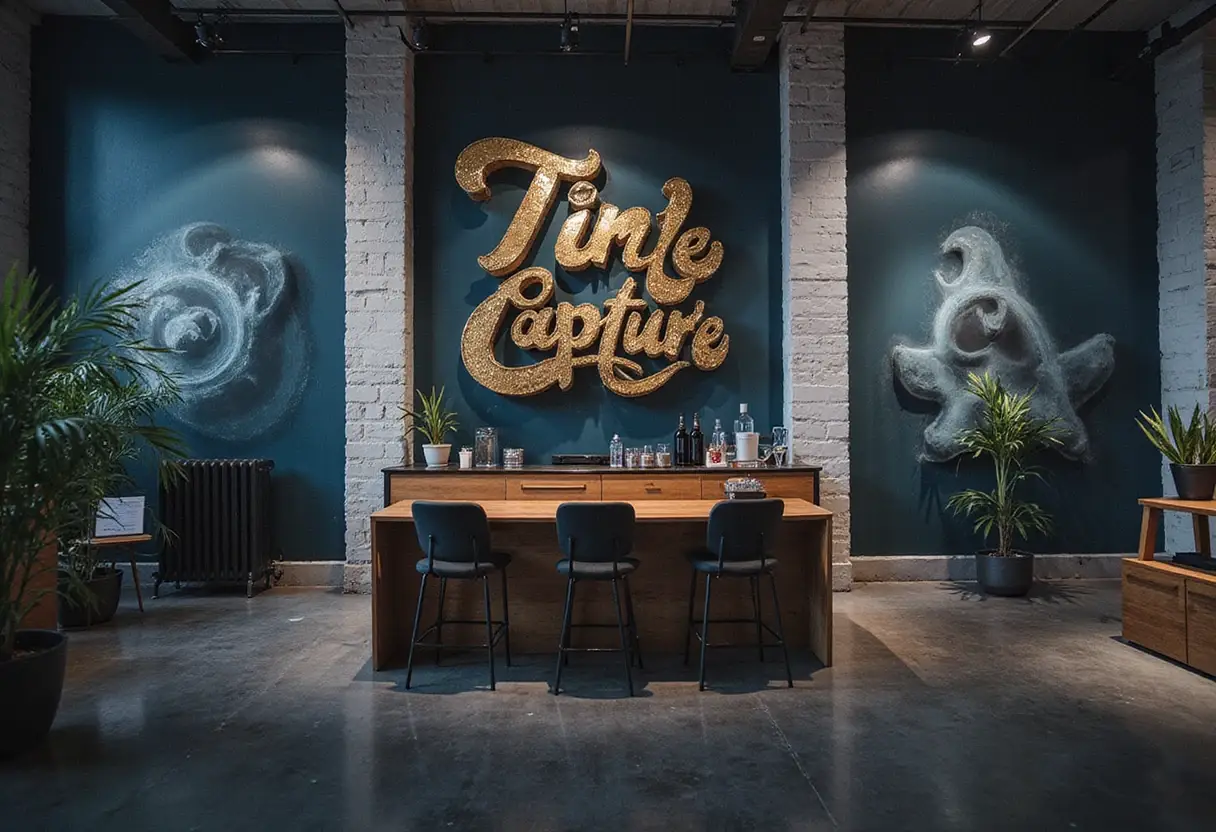
The staging recalls a lesser Dogville crossed with Frederick Wiseman's only fiction film, A Couple — a bare space, close-ups and medium shots obscuring emptiness, the occasional surreal prop (a slate gray rock face, a street lamp, a jail cot) and background murals setting scenes. Realist lighting and a sound design of birdsong and brasserie bustle locate the action, though the review notes the mix is too faint to fully transport the viewer.
Draper earns praise. "Draper is outstanding as Rimbaud," the review states. "The issue is not the performer, but the subject portrayed." The Film Stage draws a parallel with Agnieszka Holland's 1995 Total Eclipse, which cast Leonardo DiCaprio as Rimbaud and, despite extravagant period production, "still fell prey to the poet's obnoxious nature." One quoted line from Wang's film: "Try not to cringe while reading my poems."
The strongest craft lies elsewhere:
- The edit. Guy Maddin regular John Gurdebeke delivers "a cut that elevates the material from thoughtless to thought-provoking," per the review, even if it "can't save the film from itself."
- The score. Composer Dan Schlosberg, on his first feature-composing credit after playing piano on the West Side Story remake and music-consulting on The Fabelmans, writes for strings, woodwinds and brass. Instruments become Rimbaud's conversation partners: an oboe "mopes back at him in a low, whining manner"; strings answer with conversational exuberance or falsify the sound of laughter; rising notes pose questions.
- The running time. Wang's previous film, A Bread Factory, was split into two feature-length parts. Here, the review argues, the film needs an hour removed or at least an intermission to escape the "gratingly self-obsessed subject."
Does the experiment illuminate the poet?
Not for this reviewer. Rimbaud, who retired from writing by 20, remains a singular literary figure, but the boyish context "strips the poetry of its depth and meaning." The review asks whether poetry is a beautiful art or "merely the serpentine language of the intolerable" — and reports that rereading Rimbaud's poems on the page after the screening, "it was infinitely easier to appreciate him as a writer when he wasn't being portrayed."
The verdict: a "wildly esoteric film that does more to suggest theater than cinema," in which Wang "gravely overestimates an audience's capacity to empathize with such an insufferable subject, regardless of how important he might've been." Laemmle NoHo 7 will now test whether that audience exists.
Source: The Film Stage
More from Tom Whitfield
Show full bio
Market editor covering people, launches and day-to-day practice in arts in the broadest sense at Arts & Voices.
1,044 articles