Phoebe Bridgers’ phone-free Manchester show draws fans together
At Co-op Live in Manchester, Phoebe Bridgers locked phones away for Lost Weekend. The policy drew debate, but The Guardian’s review found the screen-free crowd more intimate and attentive.
Programme
- The Guardian review is dated 27 November 2026 and covers Bridgers’ Lost Weekend show at Co-op Live in Manchester.
- Every phone was locked away for the Lost Weekend tour show at Co-op Live.
- Lost Weekend is Bridgers’ third album.
- Two teenage fans wearing skeleton outfits said they had to talk to one another.
- An earlier Guardian review of Lost Weekend was published on 5 August 2026.
Phoebe Bridgers locked phones away for her Lost Weekend show at Co-op Live in Manchester, turning the arena into a shared, screen-free room. A Guardian review published on 27 November 2026 says the policy drew controversy but delivered intimacy and attention.
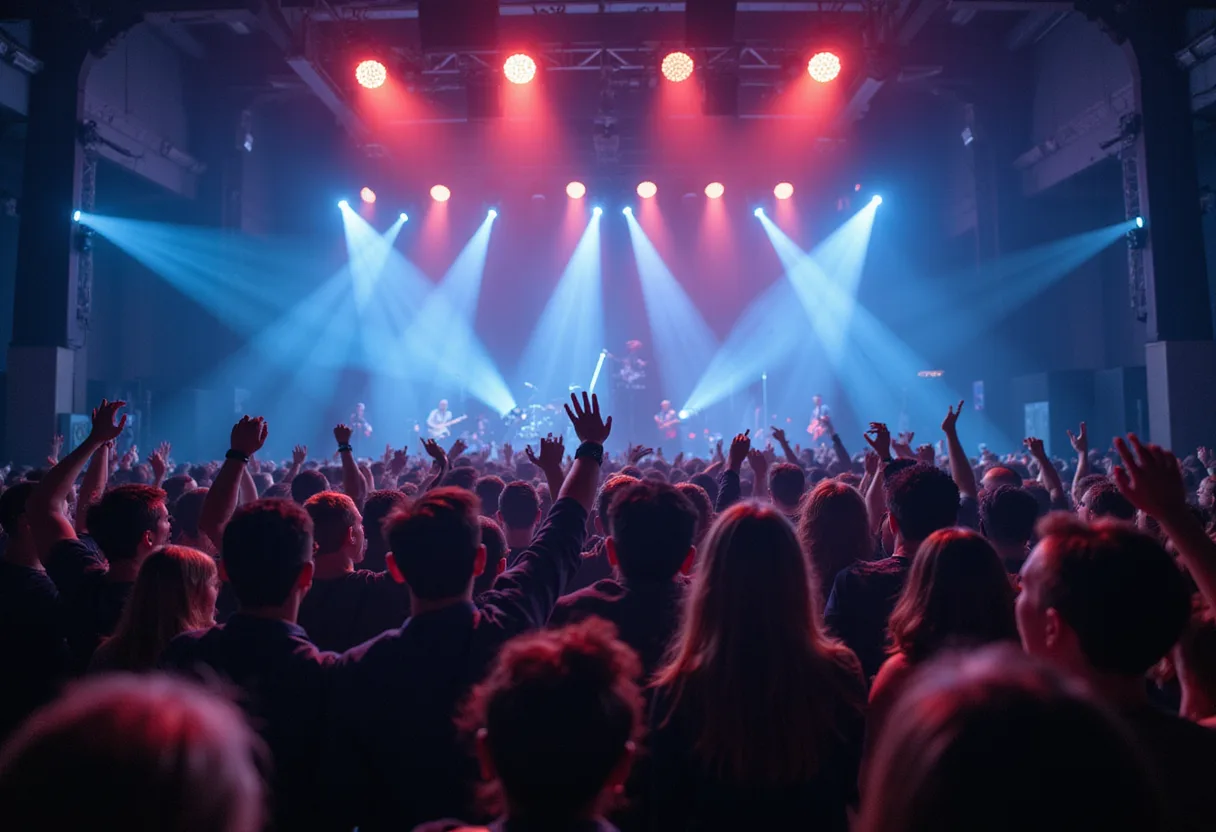
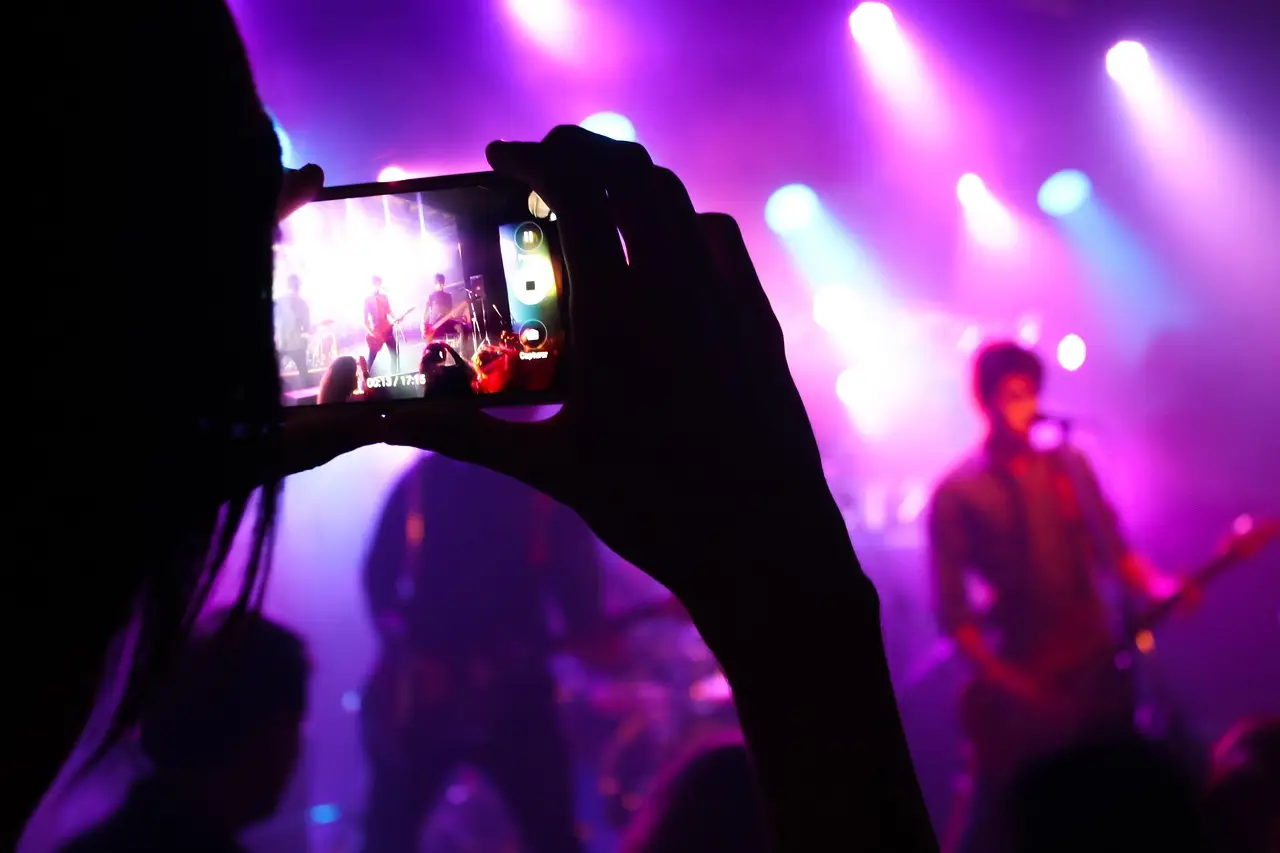
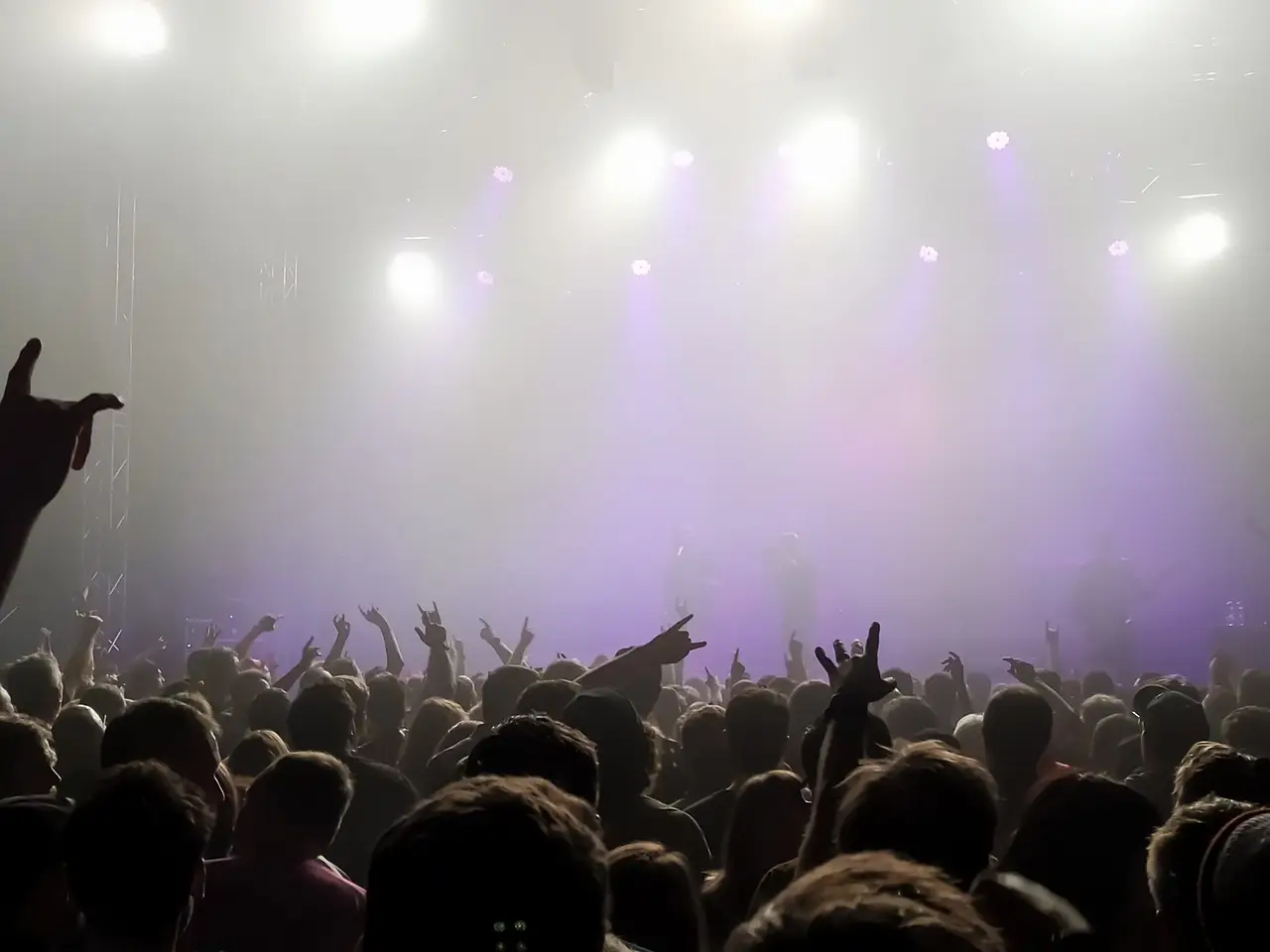
The rule provoked some controversy among younger fans who had never known a gig any other way. From the seats looking down on the standing area, the absence of even a speckle of screen looked, to the reviewer, like a power cut or a protected natural dark reserve. Nobody down the aisle knew the time.
The policy’s social effect was clearest in two teenage fans wearing skeleton outfits, a Bridgers stagewear staple. They pretended to complain that they had actually had to talk to one another, a small joke that made the wider argument tangible.
That friction was not the review’s final verdict. Its standfirst says the intimacy and attention produced by the ban “feels as much a gift to fans as it does to her,” and the review treats the policy as an unusually effective act of audience design.
Above Bridgers, a giant white dome hangs over the stage. The Guardian reviewer compares it to Disney World’s Epcot and invokes Walt Disney’s description of Epcot as “experimental prototype community of tomorrow.” The review presents the Lost Weekend tour as its own utopia, with the stage image and locked phones working together to define its rules.
The comparison does more than describe appearance. Epcot presents a curated vision of communal living, and the review borrows that idea for a concert in which phones cannot fracture the audience’s shared attention. This is the review’s central mechanism: the ban does not merely enforce etiquette; it makes the dome’s promise of a temporary community visible in the crowd.
What does the phone ban change for fans?
For this Manchester audience, it changes the basic social contract of the arena. Instead of a crowd looking down at its screens, the review describes a room in which people must see, and react to, the people around them. The two teenagers’ forced conversation becomes a small version of that change.
For Bridgers, the policy protects the show’s central material. The reviewer suggests the decision protected the difficult emotional core of her third album, Lost Weekend. The record holds her conflicted feelings about her sometimes-estranged father’s death, his abuse of her mother, and the end of her fairytale engagement after she realised she wanted something different.
The album connection gives the ban a dramatic logic. An earlier Guardian review, published on 5 August 2026, had framed the long-awaited return as a thrilling and daring study in dislocation. The Manchester review extends that account from Bridgers’s sense of displacement to the audience’s collective position inside the room.
The practical dispute and the artistic result remain distinct. Some younger fans who objected to losing familiar concert behaviour still met an attentive crowd, while Bridgers received a setting aligned with the album’s difficult subjects. If the policy continues on Lost Weekend, its test is whether that collective attention survives outside Co-op Live.
Original: floodmagazine.com
More from Grace Kim
Show full bio
Correspondent covering technology and product news in arts in the broadest sense at Arts & Voices.
1,837 articles