Pope Francis's Private Diaries Offer Few Revelations
Twenty months after his death, Francis's 140-page private jotter surfaces, edited by Cardinal Fernández. It contains self-doubt, a claimed sighting of the devil, and no Vatican gossip.
Programme
- The diaries span December 1992 to August 2024, kept in an eight-by-six-inch jotter of barely 140 pages.
- The book appears 20 months after Francis's death, edited by Cardinal Victor Manuel Fernández.
- Francis was elected pope in March 2013, the 266th pontiff and the first Jesuit.
- Francis described Benedict XVI's presence as 'like having your grandfather in the house.'
Twenty months after his death, Pope Francis appears in print as a diarist of almost total reticence. The Private Diary of Pope Francis, edited by his friend and fellow Argentinian Cardinal Victor Manuel Fernández, records the late pontiff's private thoughts from December 1992, when he was appointed an auxiliary bishop in Buenos Aires, to his final entry in August 2024. Even his election to the papacy in March 2013 gets one line: "They elected me pope."
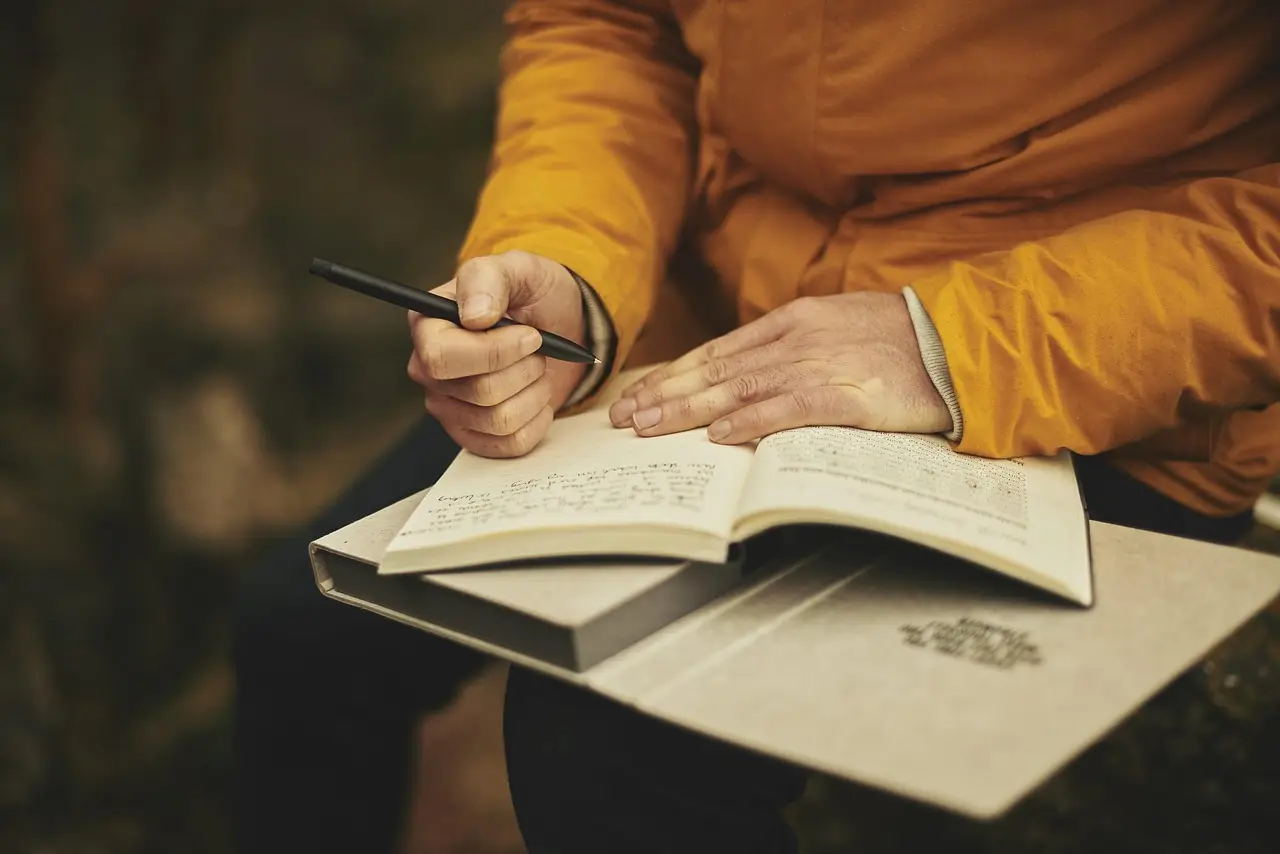
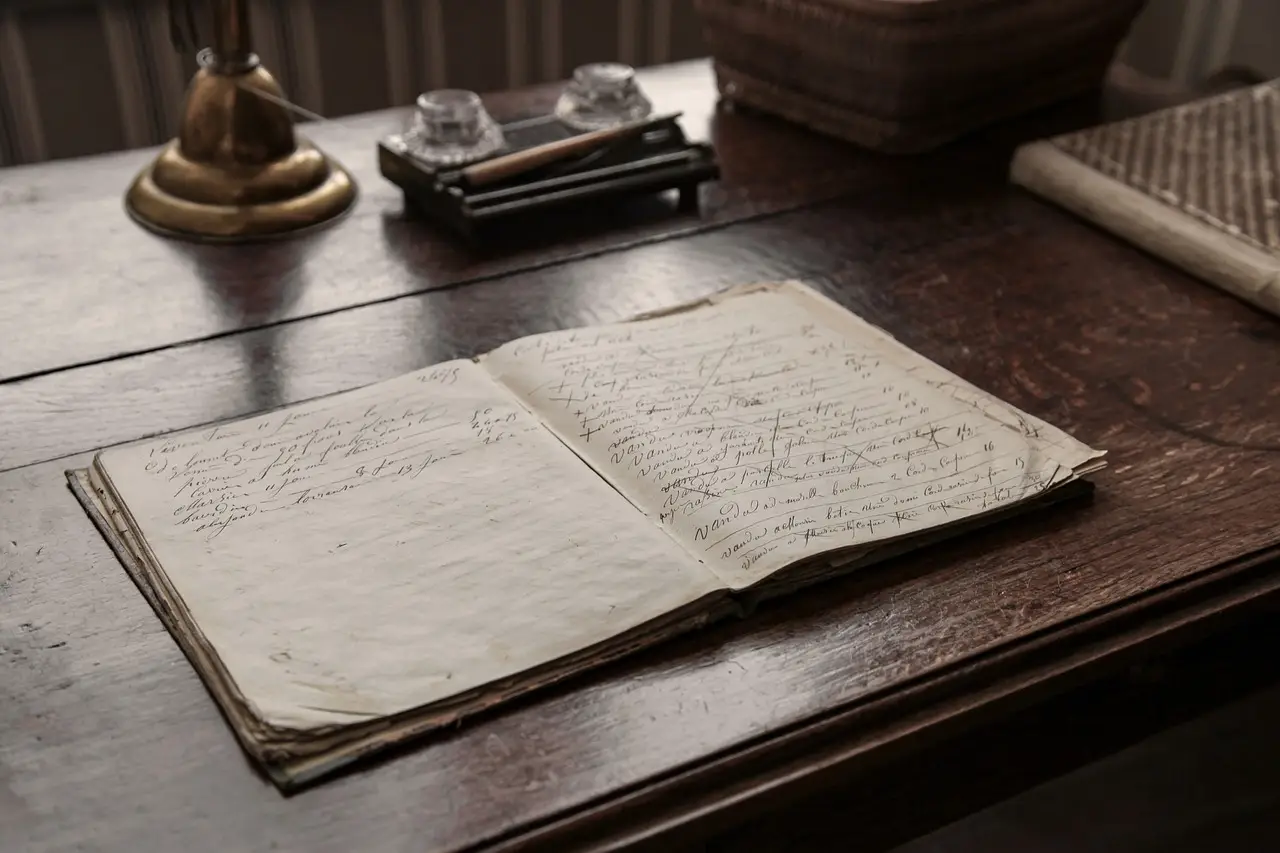
The physical source is modest. Francis kept his reflections in a jotter measuring eight inches by six, barely 140 pages long. Readers expecting revelations about Vatican power struggles will be disappointed. The entries track his spiritual life almost exclusively.
What do the diaries actually contain?
Francis's faith was simple and profound rather than intellectual, and it coexisted with acute self-doubt. "I saw how many times I allow feelings of disdain, envy, pride to overtake me. I feel so ashamed," he wrote in 2010. Even after a decade as pope he described "the proud, self-sufficient, cynical, self-deceptive Jorge." In 2017 he cautioned himself: "I must be careful not to feel too confident in my ministry."
He prayed by writing concerns on slips of paper and tucking them under a picture of St Joseph. In Buenos Aires he reflected: "When I see those who are drunk on the street, I feel humble, I could be one of them, or a delinquent, or a murderer. The Lord has cared for and protected me."
The devil was a real, vivid presence to him — he claimed a direct encounter. "I was in a meeting, I saw him and heard his voice … I can't forget the powerful raspiness. The Lord gave me an opportunity to leave that meeting and thus he freed me," Francis wrote in 2021.
The only sharply critical portrait of a living figure concerns his predecessor, Benedict XVI, the first pope in centuries to resign rather than die in office. Having Benedict nearby was, Francis wrote, "like having your grandfather in the house."
Who is the book's editor?
Cardinal Victor Manuel Fernández is no neutral custodian. Francis appointed him head of the Dicastery for the Doctrine of the Faith, the Vatican body traditionally charged with rooting out heresy. The reviewer's central criticism is structural: there is more of Fernández than of Bergoglio in the text. Short extracts jump between decades — one minute the 1990s, the next 2020 — leaving no sense of development or place. Did Francis's views evolve from auxiliary bishop to pontiff, or were his beliefs static? The book does not say. Nor can the reader tell what has been left out. Fernández of all people must know.
Why does the book matter beyond the faithful?
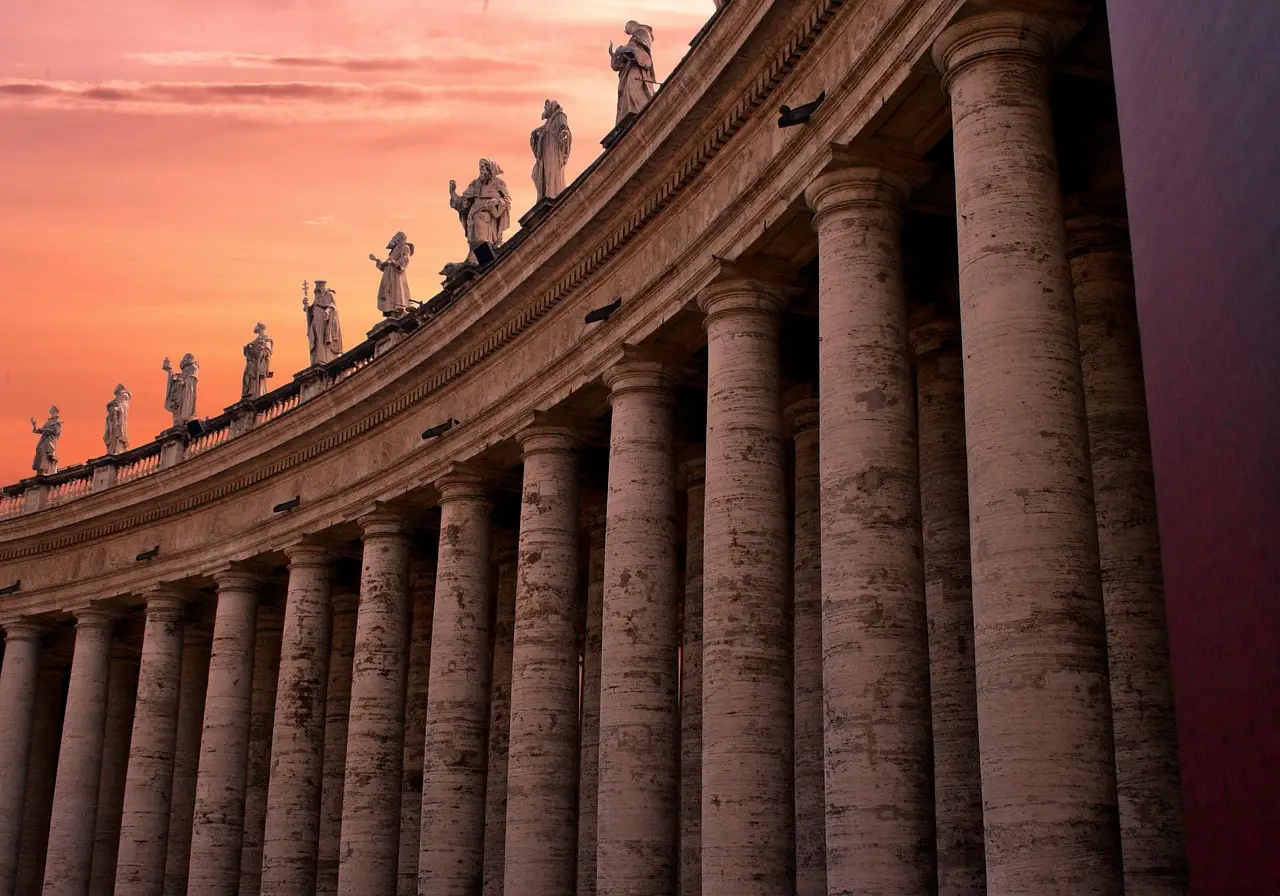
The review situates the diaries within Francis's 12-year reign and its limits. Elected in March 2013 as the 266th pope — the first Latin American, the first pontiff born outside Europe since the 8th century, the first Jesuit and the first to take the name Francis — Jorge Mario Bergoglio initially signalled a break with his predecessors. He caught the bus back to the Vatican guest house and refused the papal apartments overlooking St Peter's Square. He criticised the gap between rich and poor as a sinfulness "all the more serious because it exists in countries that call themselves Catholic," and, asked about gay people, murmured "who am I to judge?"
The reviewer's verdict: if the changes were ultimately more cosmetic than real, the pope at least presented a more humane face to the world. The diaries, fragmentary and filtered as they are, suggest that whatever history finally makes of his papacy, the man himself was watching his own soul rather than the curia. Whether Fernández opens the fuller archive in future editions will determine the book's lasting value.
Source: theguardian.com
More from Elena Vasquez
Show full bio
Senior reporter covering technology and product news in arts in the broadest sense at Arts & Voices.
1,763 articles