Pulitzer winner Hernan Diaz turns to a drowned New York in Ply
Pulitzer winner Hernan Diaz sets his new novel Ply in a rewilded, far-future New York. The Guardian's review, published 14 October 2026, finds big ideas crowding out the human drama.
Programme
- Hernan Diaz's novel Trust won the Pulitzer prize; his new book is Ply.
- The Guardian's review of Ply was published on 14 October 2026.
- Ply is a speculative epic set in a decaying city resembling New York several centuries into the future.
- The novel features monopolistic companies Flow (water), Tensor (electricity) and security firm CTS.
- The review finds that big ideas and lengthy exposition crowd out the human drama.
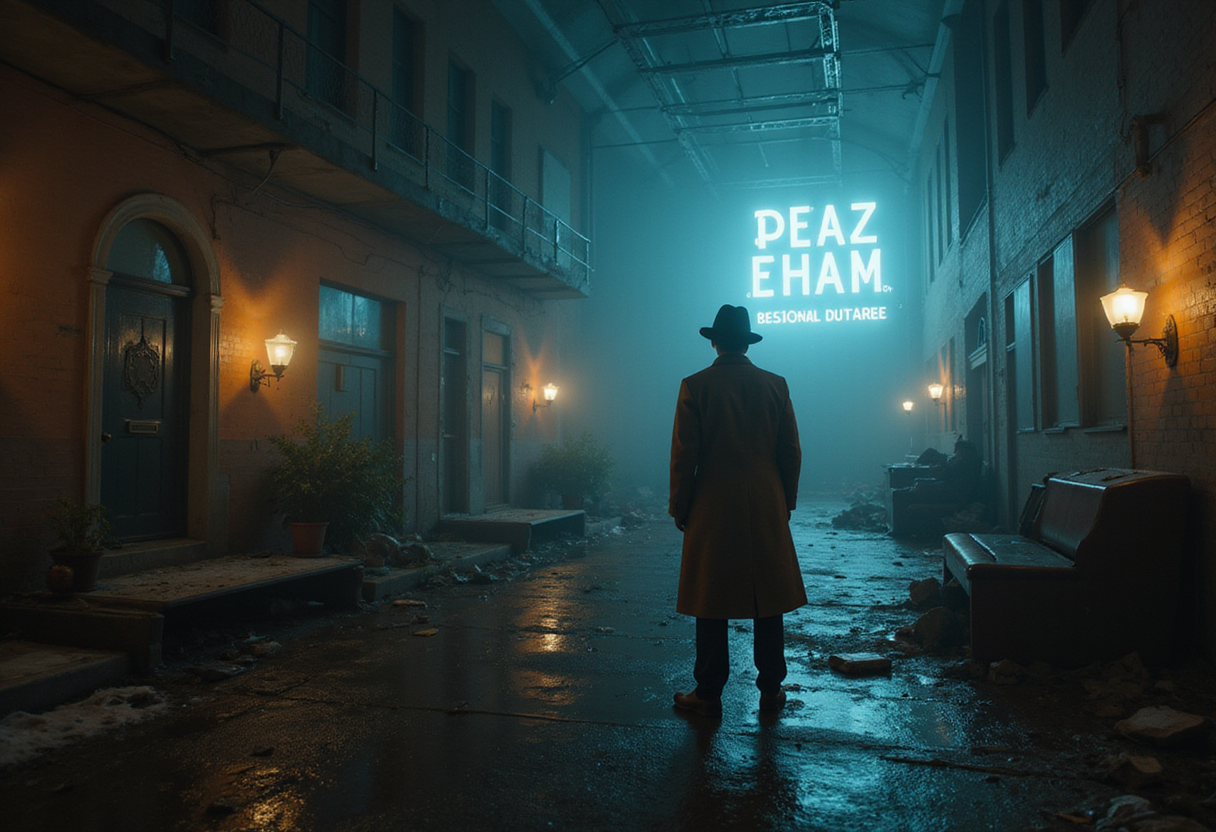
Hernan Diaz, the Pulitzer prize-winning author of Trust, has set his new novel Ply in a decaying city that reads unmistakably as a version of New York several centuries into the future.
The Guardian's review, published 14 October 2026, notes that the time and location of the speculative epic are never spelled out — but the evidence points one way. A series of upheavals have depopulated what the reviewer calls this "shipwrecked world of dilapidated bygone grandeur."
What does Diaz's new book change?
The shift from Trust is stark. Diaz's previous novel narrated the biography of a successful financier from four different viewpoints. It probed memory, representation, fiction and, in the reviewer's words, "the fictitiousness of money." It won the Pulitzer prize and succeeded both critically and commercially.
Ply moves from money to ruin. The reviewer finds more than a flavour of JG Ballard's The Drowned World in the rewilded city, where lynx and deer stalk the streets and vegetation consumes the ruins:
"the downtown swamp where the blind limbs and tendrils of trees and climbers have been at work for ages pulling the last line of collapsing buildings down into the spongy soil under the water"
Somewhere beyond the city, a more technologically sophisticated life endures. Diaz signals this through three corporate powers:
- Flow, a monopolistic company controlling water
- Tensor, its counterpart controlling electricity
- CTS, a private security company with an unexplained acronym, which protects their interests and "holds a monopoly over monitoring and patrolling of the streets"
Where the book falls short
The review's verdict is measured. Shades of Ballard aside, it finds that big ideas and lengthy exposition crowd out the human drama. The novel's dry vision of far-future America delivers atmosphere and conceptual ambition, but the people inside it thin out under the weight of world-building.
That criticism lands harder given what Trust achieved. The earlier book made its ideas felt through four competing voices and the reader's own detective work. Ply, by contrast, spends its pages explaining a broken world rather than inhabiting it.
The companies are the tell. Flow, Tensor and CTS are named but not, on the review's account, dramatized — an unexplained acronym doing the work that Trust's four narrators once did. What is not said in the novel may be deliberate; what the review declines to say about plot or characters suggests there is little of either to report.
For Diaz, the stakes are reputation. A Pulitzer opens doors; a speculative follow-up tests whether a writer's formal invention survives a change of genre. The Guardian's review — cautious, admiring of the setting, cool on the execution — suggests readers will keep arguing over that question long after the book's publication.
Source: Guardian Books
More from Tom Whitfield
Show full bio
Market editor covering people, launches and day-to-day practice in arts in the broadest sense at Arts & Voices.
526 articles