Quadracci Family Pledges $10 Million to Preserve Calatrava's Milwaukee Pavilion
The Quadracci family pledges $10 million to endow care of Santiago Calatrava's first U.S. building, the 2001 Quadracci Pavilion, as the Milwaukee museum marks its 25th year.
Programme
- The Quadracci family pledged $10 million to create the Quadracci Pavilion Preservation Endowment Fund.
- The pavilion, opened in 2001, is Santiago Calatrava's first building in the United States.
- Betty and Harry Quadracci gave $10 million in the 1990s to build the pavilion.
- The gift is the first major donation secured by director Kim Sajet, who joined just over a year ago.
- A yearlong 25th-anniversary celebration of the pavilion began in August.
The Quadracci family has pledged $10 million to the Milwaukee Art Museum to establish the Quadracci Pavilion Preservation Endowment Fund, securing the long-term care of the first building in the United States designed by Spanish Swiss architect Santiago Calatrava.
The fund supports maintenance of the Quadracci Pavilion, which opened in 2001 and turns 25 this year. The museum launched a yearlong celebration of the anniversary in August.
Betty and Harry Quadracci provided $10 million in the 1990s to build the pavilion. Their four children now match that sum: Joel Quadracci, chairman and CEO of the family company Quad; Kathryn Quadracci, chief executive of QuadMed and president of the Windhover Foundation; Elizabeth Quadracci Harned, president of the Winderful Foundation, which she established in 2023; and H. Richard Quadracci, who died this past summer.
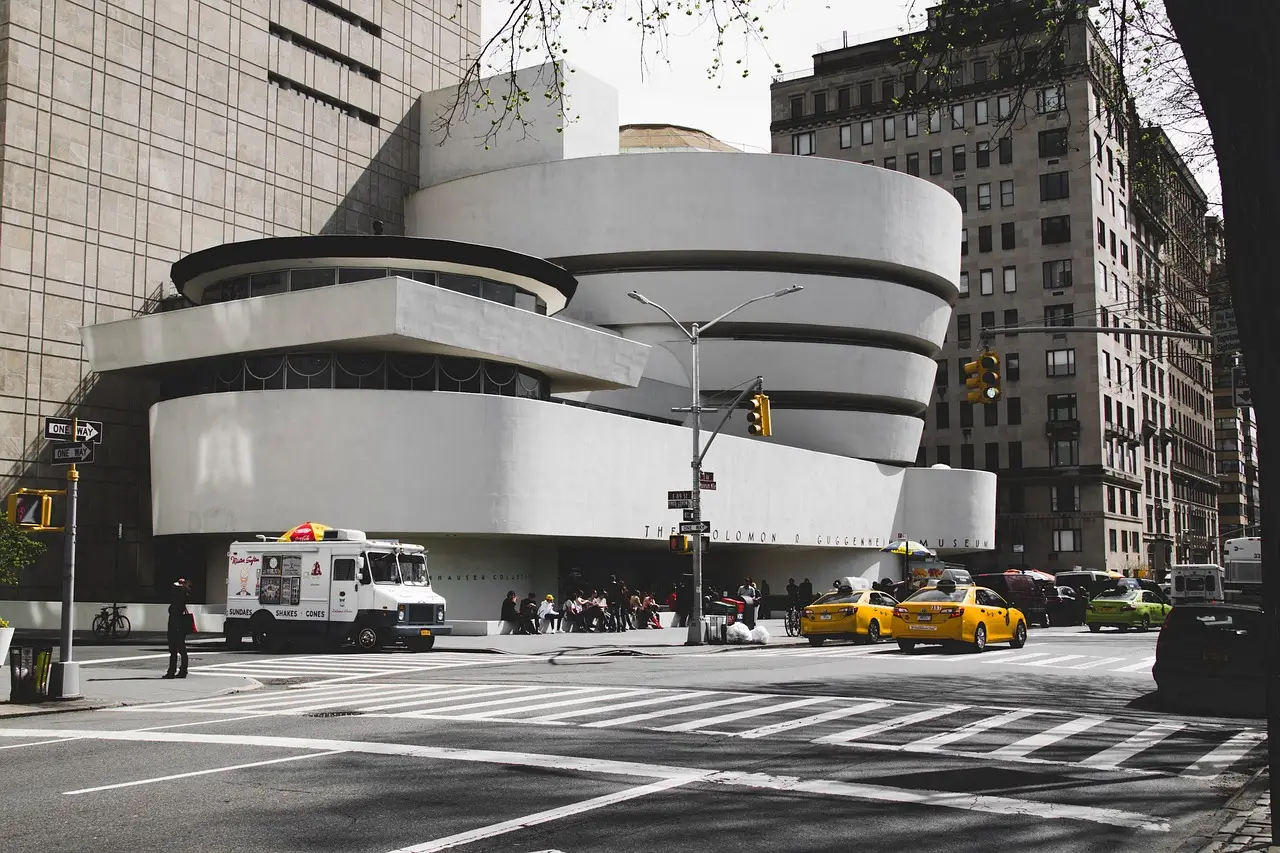
The pavilion houses an exhibition space, a reception hall, an auditorium and more. Its sweeping movable "wings," the Burke Brise Soleil, look out onto Lake Michigan and have become a prominent feature of the city's skyline.
"Rather than just add something to the existing buildings, I also wanted to add something to the lakefront," Calatrava said at the building's dedication ceremony in 2001. "I have therefore worked to infuse the building with a certain sensitivity to the culture of the lake — the boats, the sails, and the always-changing landscape."
What does the gift actually pay for?
The museum's release states the endowment will "provide annual income to support the long-term care of the Pavilion's defining architectural features."
The museum does not report any immediate structural problems with the building. The fund, according to the announcement, ties to the pavilion's 25th-anniversary programming rather than to a disclosed repair campaign. What the annual income will amount to, and which specific features consume it first, the release does not say.
Joel Quadracci, who also serves as a museum trustee, framed the gift as a family's continuation of its original commitment.
"Our parents believed Milwaukee deserved a building that would make people stop and look up, and the Pavilion has done that every day for 25 years," he said in a statement. "Building it was the first step. Caring for it is the commitment that makes it last. We want it to be as extraordinary for the next generation, and for every family in this city who thinks of it as theirs, as it was the day it opened."
Kathryn Quadracci cast the pledge in civic terms. "Some buildings change a skyline. Others change the way a city sees itself. The Quadracci Pavilion has done both," she said in a statement. "It represents the boldness, imagination, and determination that define Milwaukee at its best. This commitment reflects our belief that preserving what makes Milwaukee exceptional is just as important as imagining what comes next."
A first win for the new director
The pledge marks the first major donation secured by director Kim Sajet, the former director of the National Portrait Gallery, who joined the Milwaukee Art Museum just over a year ago.
"When the Quadracci Pavilion opened, it expressed a belief in what art could make possible for Milwaukee," Sajet said in a statement. "The Quadracci family's generosity carries that spirit of civic leadership forward, helping ensure this extraordinary building continues to welcome and inspire generations to come."
One gift does not set a trajectory. But if Sajet can convert a family's founding stake into a second $10 million within her first year, the question for the museum's next campaign is whether donors beyond the Quadracci name will fund buildings they did not build.
Original: mam.org
More from Tom Whitfield
Show full bio
Market editor covering people, launches and day-to-day practice in arts in the broadest sense at Arts & Voices.
818 articles