Radiance Films Acquires Eight Taiwanese Classics for 2027 U.K. Release
Radiance Films has acquired eight Taiwanese classics from TFAI for 2027 release, including Hou Hsiao-hsien and Tsai Ming-liang titles. Yang Li-kuo's 'The Dull-Ice Flower' will also reach U.S. audiences.

Programme
- Radiance Films has acquired 8 Taiwanese classics from TFAI for 2027 theatrical and home entertainment release, announced Thursday at Lyon's MIFC
- The package includes 2 Hou Hsiao-hsien titles (1985, 1986), 3 Tsai Ming-liang titles (1992, 1994, 1997) and 3 further New Cinema works spanning 1982-1989
- Yang Li-kuo's 'The Dull-Ice Flower' (1989) is the only title licensed for both U.K. and U.S. release; the remaining seven are U.K.-only
- TFAI has restored 110 titles since 2013 and now completes roughly 12 restorations a year
- More than 1,200 Taiwanese-language films were produced between the mid-1950s and late 1970s, but only around 200 are believed to survive
Radiance Films, a London-based distributor, has acquired eight Taiwanese film classics from the Taiwan Film and Audiovisual Institute (TFAI) for theatrical and home entertainment release in 2027.
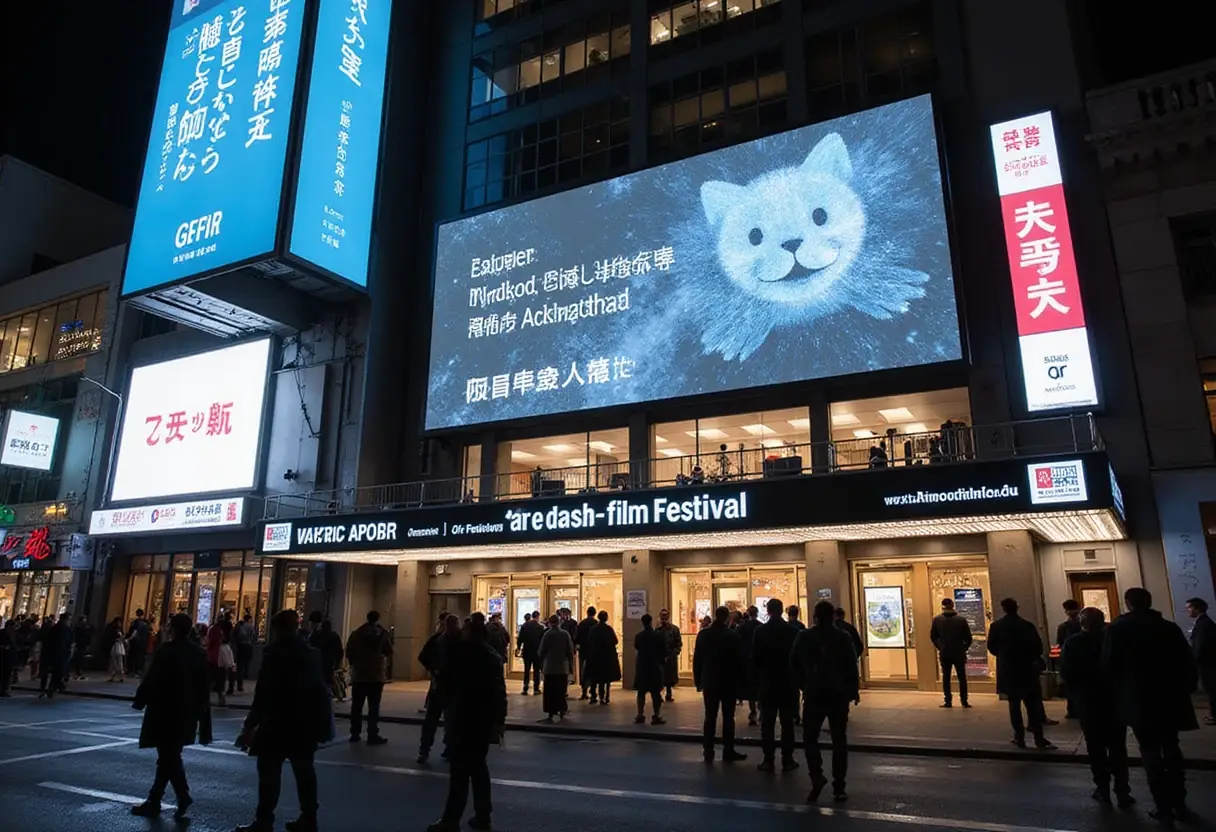
The deal, announced Thursday at Lyon's International Classic Film Market (MIFC), covers two Hou Hsiao-hsien titles, three Tsai Ming-liang features and three further works from the early Taiwanese New Cinema period.
The acquired films are:
- Hou Hsiao-hsien, A Time to Live and a Time to Die (1985)
- Hou Hsiao-hsien, Dust in the Wind (1986)
- Tsai Ming-liang, Rebels of the Neon God (1992)
- Tsai Ming-liang, Vive L'Amour (1994)
- Tsai Ming-liang, The River (1997)
- In Our Time (1982), a New Cinema anthology
- Chang Yi, Kuei-Mei, a Woman (1985)
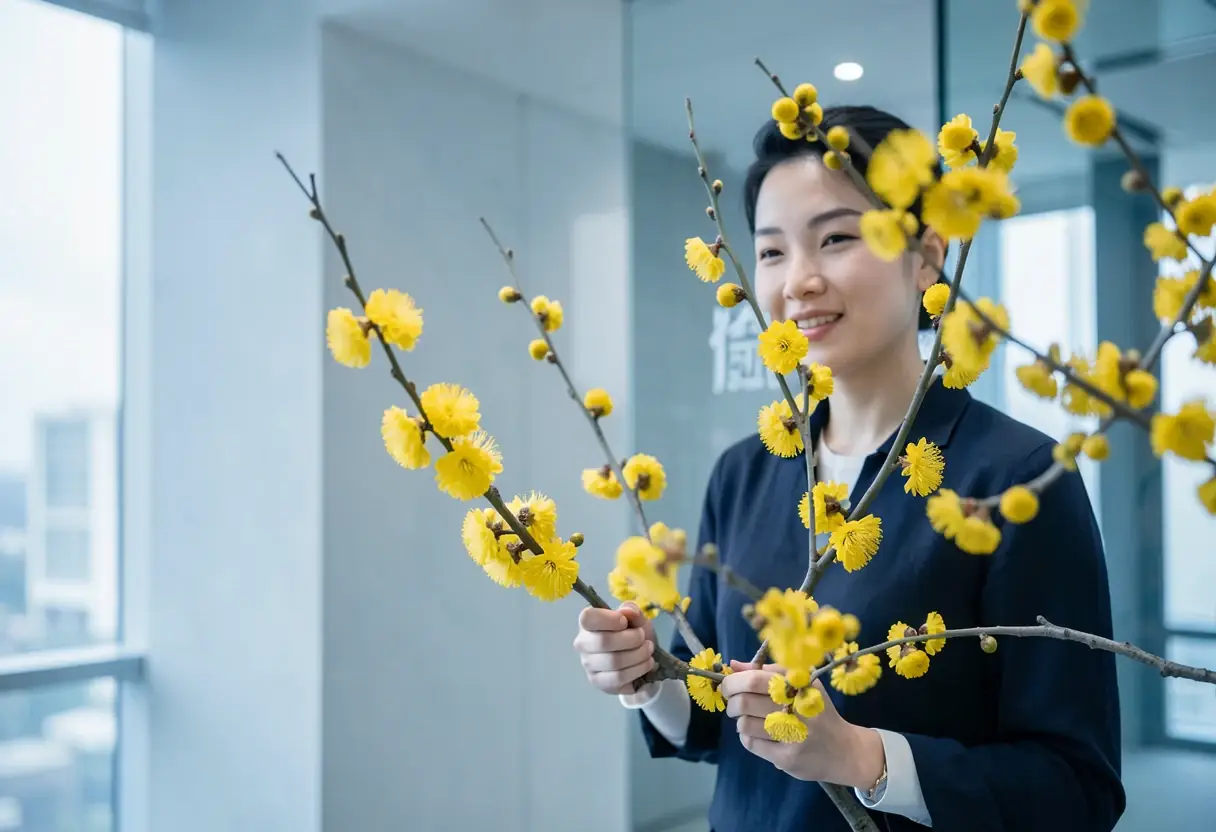
- Yang Li-kuo, The Dull-Ice Flower (1989)
Yang Li-kuo's The Dull-Ice Flower will travel to both the U.K. and U.S.; the remaining seven titles are U.K.-only. Radiance plans individual releases and boxed collections, including a Taiwanese New Wave set and a Tsai Ming-liang trio.
What does the deal change for British film culture?
It puts titles that have been effectively out of circulation in Britain for decades onto physical media and into cinemas. Founder Francesco Simeoni told Variety the package represents the end of a multi-year effort to license films from Taiwan after earlier approaches to the Central Motion Picture Corporation failed. Contact with TFAI began at this year's Berlin Film Festival; the deal took shape at Cannes, where Simeoni caught The Dull-Ice Flower in Cannes Classics.
Simeoni framed the acquisition in unusually strong terms: "Hou Hsiao-hsien and Edward Yang, I would argue, are among the most important filmmakers in world cinema ever. There are a lot of people who will be somewhat aware of them but not aware of where they started. I think it's always important to understand where filmmakers come from."
Radiance will open the campaign at London's Garden Cinema later this month before rolling out theatrical dates and pursuing streaming deals.
Who is actually buying these films?
Simeoni believes a younger cohort is driving demand. He pointed to the response to Noboru Nakamura's The Shape of Night at theatrical screenings and through Radiance's online community as evidence. "There's this group of people who are just starting on their cinephile journey and making discoveries for the first time and coming to us," he said.
What is the broader Taiwanese push behind the deal?
TFAI has restored 110 titles since 2013 and currently completes around a dozen a year, according to figures discussed at MIFC. Its earlier international strategy leaned on A-list filmmakers, with 4K restorations of King Hu's Dragon Inn (2014) and A Touch of Zen (2015) screening at Cannes Classics. TFAI chair Arthur Chu described that approach in transactional terms: "These big-name, A-list filmmakers are like a springboard for us to engage with major festivals and markets, and connect with key players in the industry."
A 2023 public survey named The Dull-Ice Flower among Taiwan's most popular classics, prompting its restoration and Cannes premiere.
What could still go wrong?
The panel's commercial case rested on distributors willing to spend on theatrical release, promotion and home entertainment editions. Vincent Paul-Boncour, co-founder of French distributor Carlotta Films, used his company's 2025 Edward Yang retrospective — which brought previously unreleased A Confucian Confusion and Mahjong to French cinemas — as proof that the model works.
TFAI representatives acknowledged friction. Rights ownership, missing materials and music clearances remain significant obstacles, with negotiations sometimes stretching over years. For older productions whose rights holders are difficult to trace, the path back to screens is narrow.
The MIFC panel, titled "Taiwanese Cinematic Heritage: Preserving the Past, Shaping the Future," also used the deal to mark the 70th anniversary of Taiwanese-language cinema. More than 1,200 such films were made between the mid-1950s and late 1970s; roughly 200 are believed to survive.
The deal gives Radiance a credible 2027 slate, but whether TFAI's pipeline of roughly a dozen restorations a year keeps finding European buyers — or stalls at missing materials and uncleared rights — will decide if this is a turning point or a one-off.
Source: Variety Film
More from Tom Whitfield
Show full bio
Market editor covering people, launches and day-to-day practice in arts in the broadest sense at Arts & Voices.
624 articles