Review: Peter Berg's 'The Mosquito Bowl' Fumbles Its War Epic
Peter Berg adapts Buzz Bissinger's 2022 novel for Netflix: a loud, handsome WWII epic about college football stars turned Marines that confuses volume for depth.
Programme
- Peter Berg directs 'The Mosquito Bowl' for Netflix, based on Buzz Bissinger's 2022 historical novel.
- The titular football game was played on Christmas Eve 1944 on Guadalcanal between the 4th and 29th regiments of the 6th Marine Division.
- The cast includes Nicholas Galitzine, Ray Nicholson, Tom Francis and Bill Skarsgård.
- Berg and Bissinger are cousins; Bissinger's 'Friday Night Lights' fueled Berg's 2004 film and its TV series.
Peter Berg's "The Mosquito Bowl," now on Netflix, is a WWII combat epic about college football stars turned Marines that mistakes volume for insight. It rarely stops shouting long enough to find one.
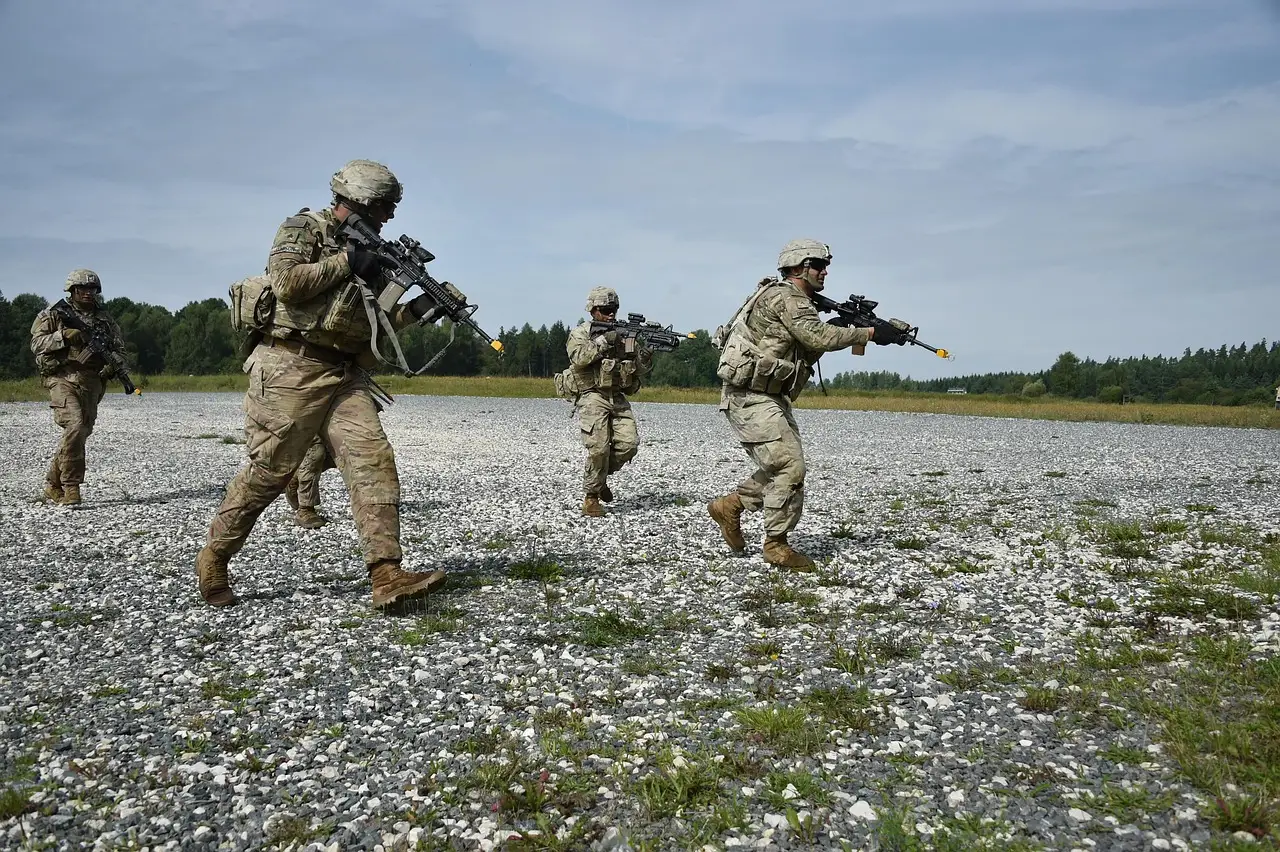
Berg, the director of "Lone Survivor" and "Battleship," has adapted Buzz Bissinger's 2022 historical novel with co-writer Mark L. Smith. Ostensibly it's fighting the same fight as Terrence Malick's "The Thin Red Line," which also charted the torment of American soldiers on Guadalcanal. They are two very different history lessons. There's no trace of Malick's poetic anti-war melancholy here — just a brawny, cacophonous Semper Fi salute that revels in onscreen carnage as if to underline its heroes' mettle.
Who are these men?
The four principals are sportsmen, stars of the college circuit who carry their strength from field to battlefield. "The Marine Corps is the greatest offensive line in the history of football," one character declares — a line that sounds sort of rousing without making much sense. That goes for much of the script.
The leads include:
- John McLaughry (Nicholas Galitzine), a Brown University graduate and future coach, whose budding future with the New York Giants is frozen by patriotic duty after Pearl Harbor in 1941.
- Tony Butkovich (Ray Nicholson), a jocular Purdue grad — Nicholson appropriating his father Jack's rakish perma-grin.
- Dave Schreiner (Tom Francis), a soulfully withdrawn Wisconsin Badgers star; Francis is a Tony nominee for "Sunset Blvd."
- Bob Baumann (Bill Skarsgård), another Wisconsin grad whose personality lands somewhere between the last two.
They're colorless, interchangeable alpha males, stout of build and square of jaw. Even as the credits roll, you'd struggle to remember who was who. The writers ran out of all-American archetypes quite early on.
Does the title game deliver?
Not really, and that's the structural problem. The Mosquito Bowl itself was played on Christmas Eve 1944 on Guadalcanal, between the 4th and 29th regiments of the 6th Marine Division, stocked with drafted football talent. The book and film both try to lend it the significance of the Christmas truce soccer matches between British and German forces in WWI no-man's-land.
When push comes to shove, the game simply isn't consequential. It's skipped over swiftly on the page, and the film struggles to make a climactic set-piece of an event with less visceral impact than the juddering, blood-on-the-lens battle scenes on either side of it. When the game finally arrives, you can practically feel the film sigh with relief: macho combat without consequences, or politics.
What about the craft?
Knowing he has nothing new to show, Berg shows more of the same — ladling on death and devastating injury with relentless rat-a-tat-tat sound design until the film attains a blunt sensory force. DP Jacques Jouffret's aggressively desaturated palette and nauseous POV shooting, cut with antsy editing, are ripped from "Saving Private Ryan" but cranked to video-game levels, with a grinding guitar-heavy score by post-rock band Explosions in the Sky.
There's also a jingoistic undertow that sits queasily. The film strains toward the morally corrupting effects of war, yet never challenges its leads on their repeated gung-ho talk of "killing the Japanese," and decontextualized shots of Japanese soldiers committing seppuku or being summarily executed go unexamined.
Berg and Bissinger, incidentally, are cousins; the adaptation was likely a fait accompli all along. Bissinger's 1990 bestseller "Friday Night Lights" already fueled Berg's sturdy 2004 film and its more popular TV spin-off. This reunion has the pedigree. The film has the noise. It lacks the inner life to make either register.
Source: Variety Film
More from Daniel Okafor
Show full bio
News editor covering companies, deals and strategy in arts in the broadest sense at Arts & Voices.
877 articles