Rio to Unveil 4,320 m² Mural Honoring Ballerina Mercedes Baptista
A 4,320-square-meter mural honoring Mercedes Baptista, the first Black woman in Rio's Theatro Municipal corps de ballet, will be unveiled at Praça Tiradentes in early December.
Programme
- The mural spans more than 4,320 square meters at Praça Tiradentes in central Rio
- Mercedes Baptista (1921–2014) was the first Black woman in the Theatro Municipal's corps de ballet
- Fernando Sawaya executes the work via the Negro Muro project, with research by Pedro Rajão
- The unveiling is set for early December
- The installation is part of ARUA Summit 2026, a city government project conceived by Visionartz
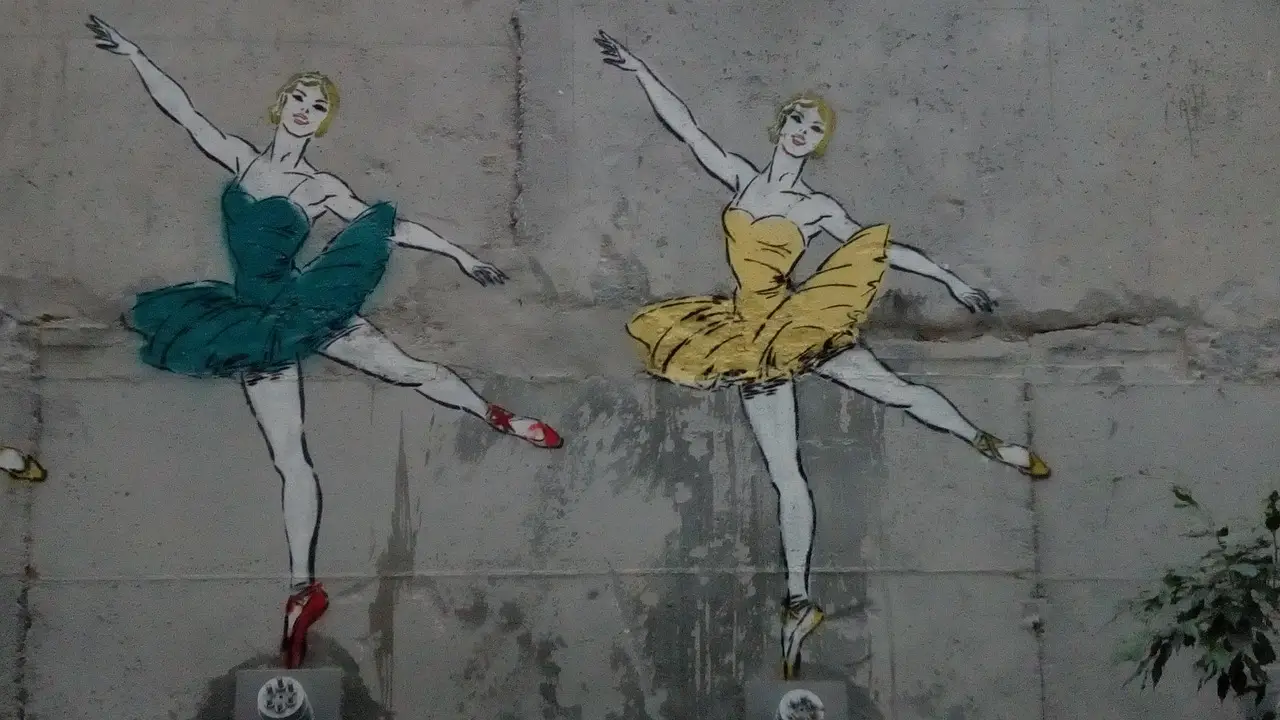
A mural covering more than 4,320 square meters will honor Mercedes Baptista, the first Black woman to join the corps de ballet of the Theatro Municipal do Rio de Janeiro. The work goes up at Praça Tiradentes, in Rio's Centro, and is set for unveiling in early December.
Artist Fernando Sawaya is executing the mural through his project Negro Muro, with research and production by Pedro Rajão. The project's name says a lot: it is an initiative built around celebrating Black culture on the city's walls.
The installation forms part of the ARUA Summit 2026 program. The event is a project of the Prefeitura do Rio de Janeiro — the city government — and was conceived by the agency Visionartz.
Who was Mercedes Baptista?
Baptista lived from 1921 to 2014. When she entered the corps de ballet (the ensemble of dancers in a classical company) of the Theatro Municipal, she opened the door for Black ballerinas who came after her. She became a reference point in Brazilian dance — a figure whose career changed who could stand on that stage.
Her breakthrough wasn't symbolic only. It was structural. A state opera house's dance company in mid-century Brazil simply had no Black women in it, and her admission altered that fact.
What does the location change?
Praça Tiradentes sits in the Centro district, the historic heart of Rio. According to the announcement, the square has been consolidating as a site of exaltation of Black ancestry and Black art — this mural cements that role rather than starting it.
The scale matters too. At more than 4,320 square meters, the work will be one of the largest artistic interventions in the square, turning a public plaza into a de facto open-air gallery for the duration of the installation.
The timing links the tribute to a broader civic program. By folding the mural into ARUA Summit 2026, the city government ties a single artwork to a wider celebration of Black culture planned for the event.
Why a mural, and why now?
The mechanism is straightforward: public art reaches audiences that theaters don't. A dancer's legacy lives in performance archives and company rosters; a 4,320-square-meter portrait on a central square reaches every passerby.
So what does this change for the memory of Brazilian dance? It moves Baptista from dance-history footnotes into the daily visual landscape of Rio — permanent visibility for a pioneer who died in 2014, three years before the city would host the summit that now carries her image.
Whether the mural draws crowds the way the Theatro Municipal once drew her will become clear at the December unveiling.
Source: brasilemfolhas.com
More from Grace Kim
Show full bio
Correspondent covering technology and product news in arts in the broadest sense at Arts & Voices.
1,862 articles