Royal Northern Sinfonia Opens Elgar's Gerontius to Amateur Musicians
Dinis Sousa will lead Royal Northern Sinfonia and amateur musicians in Elgar's Dream of Gerontius on November 8, with Dame Sarah Connolly, Benjamin Hulett and Roderick Williams as soloists.

Programme
- Dinis Sousa, music director of the Royal Northern Sinfonia, is recruiting non-professional musicians for a performance of Elgar's The Dream of Gerontius.
- The concert is scheduled for Sunday, November 8.
- Soloists are mezzo-soprano Dame Sarah Connolly, tenor Benjamin Hulett and baritone Roderick Williams.
- The project aims to connect music across all sectors in the northeast of England.
- Williams called the work 'hugely rewarding to sing' and praised performing alongside non-professional musicians.
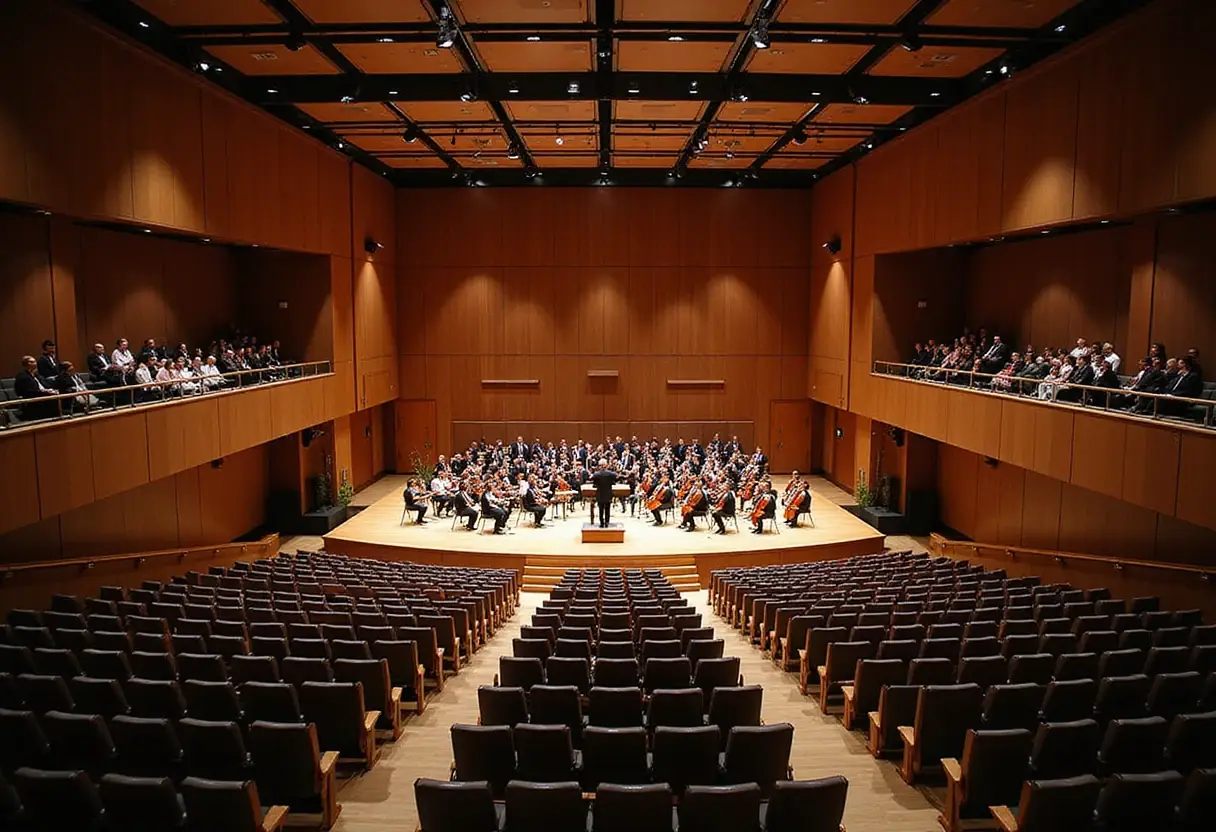
Dinis Sousa, music director of the Royal Northern Sinfonia, is recruiting non-professional musicians for a massed performance of Elgar's The Dream of Gerontius on Sunday, November 8, in the northeast of England.
The concert aims to connect music-making across all sectors of the region. Sousa's plan puts trained orchestral players and community volunteers side by side in one of the largest works in the English choral repertoire — a score Elgar wrote for full orchestra, chorus and, as baritone Roderick Williams puts it, "truly operatic soloists."
The soloist lineup is senior. Mezzo-soprano Dame Sarah Connolly, tenor Benjamin Hulett and baritone Roderick Williams will front the performance.
What does the amateur element change?
At its core, this is a structural experiment. The Dream of Gerontius (Elgar's 1900 oratorio, a setting of Cardinal Newman's poem about a soul's journey after death) normally demands a polished professional chorus and orchestra. Opening it to non-professionals changes who gets to perform it, not what it sounds like in the score.
Williams, who sings the baritone part, framed the value of the project in plain terms: "The Dream of Gerontius is such a powerful work to perform, partly because of the depth of its subject matter, the ambition and scope of the choral and orchestral score, and the fact that it was written for truly operatic soloists. All of this makes it hugely rewarding to sing."
He extended the point to his stage partners. "Performing alongside enthusiastic non-professional musicians is a reminder of the value of live performance and how fortunate we are to make music together," Williams said.
Why it matters
Williams grounded the argument in everyday experience rather than concert-hall etiquette. "I've always been inspired by people's desire to sing together, whether that's supporting a sports team, at a Christmas singalong, or simply singing Happy Birthday," he said. "There's something very special about bringing so many people together through music."
That's the mechanism Sousa is working with. Group singing already exists in the region — in stadiums, at parties, at family tables. The November 8 concert redirects that impulse toward a work that usually sits behind professional gates, with three internationally known soloists anchoring the effort.
For the northeast's amateur musicians, the practical question is simple: this is a chance to perform Elgar's most ambitious choral work under a professional music director, with Dame Sarah Connolly, Benjamin Hulett and Roderick Williams on the same stage. How many take it up, and whether the model spreads to other ensembles, will be worth watching after November 8.
Source: Slipped Disc
More from Grace Kim
Show full bio
Correspondent covering technology and product news in arts in the broadest sense at Arts & Voices.
617 articles