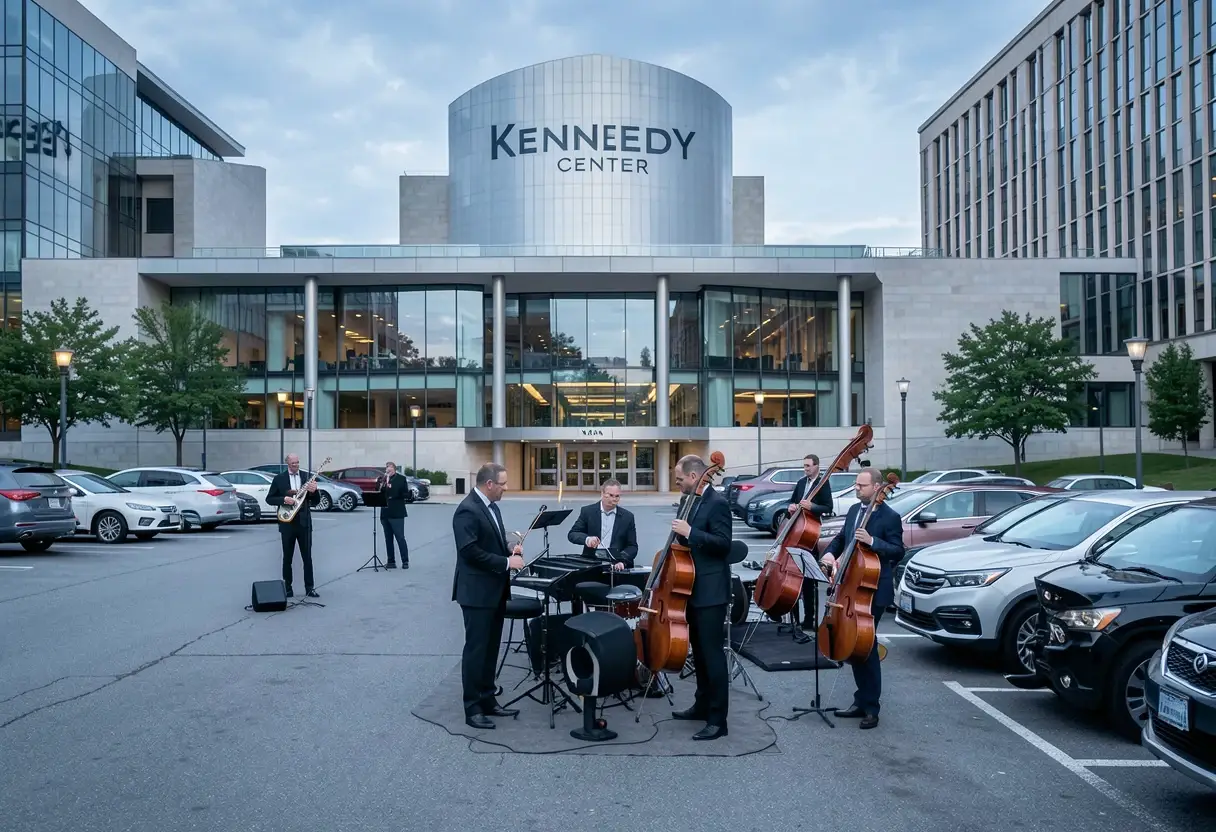
San Diego and Montreal Orchestras Merge on Stage for Border-Bridging Concert
Some 130 musicians from the San Diego Symphony and Orchestre symphonique de Montréal shared the Rady Shell stage on October 30 for the free "Sound of Two Cities" concert under Rafael Payare.
Programme
- About 130 musicians from the SDSO and OSM performed together at the free "Sound of Two Cities" concert on October 30 at the Rady Shell.
- The OSM played its first San Diego concert since 2016 on October 29 at Jacobs Music Center.
- Beyond Borders launched in 2026 with a Tchaikovsky-Márquez program at Centro Cultural Tijuana on October 7.
- Beyond Borders resumes in June with the U.S. premiere of Jimmy López's Symphony No. 6, "Monarch," co-commissioned by both orchestras.
- Nine brass players performed Respighi's Pines of Rome from a yacht floating near the venue.
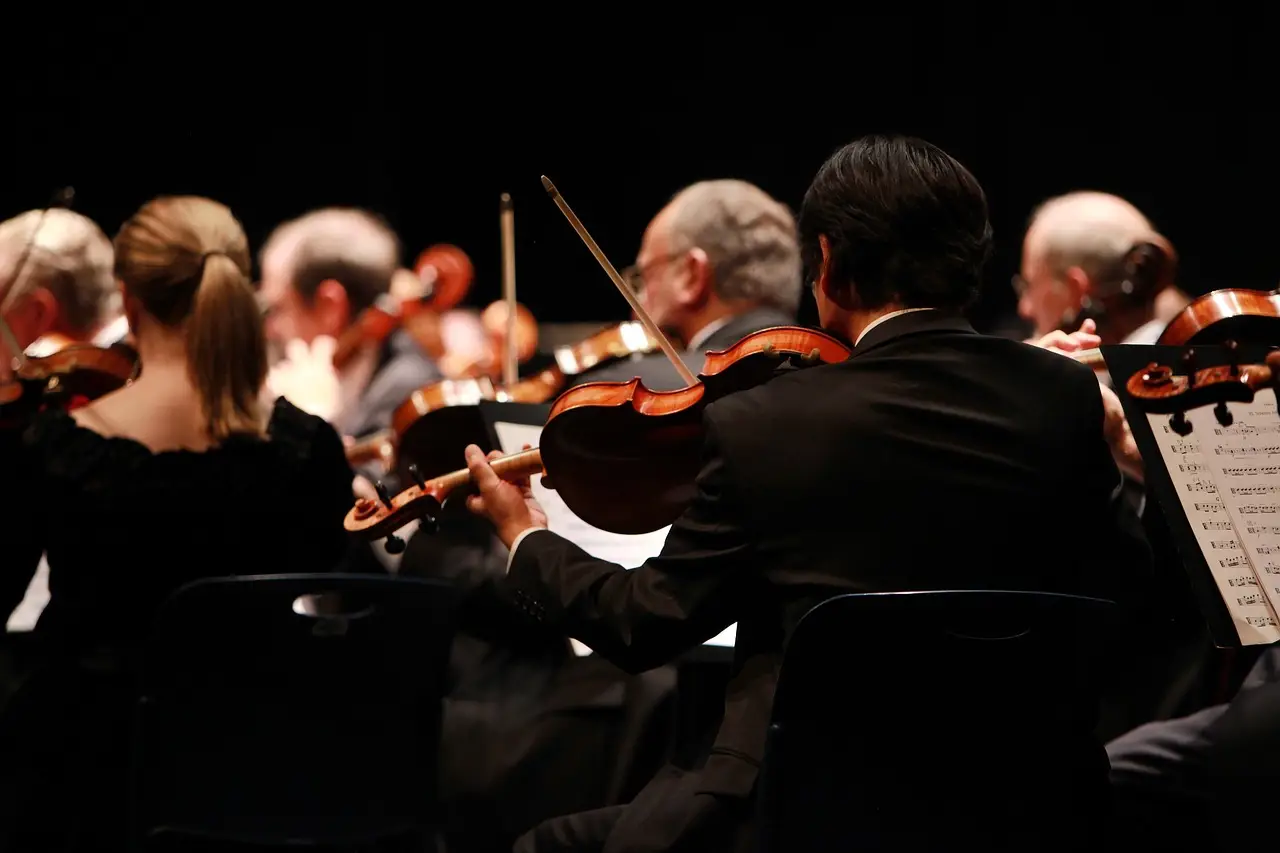
Roughly 130 musicians from two countries shared one stage on October 30, when the San Diego Symphony and the Orchestre symphonique de Montréal joined forces for a free "Sound of Two Cities" concert at San Diego's Rady Shell at Jacobs Park.
The performance belongs to the San Diego Symphony's Beyond Borders: North American Music Initiative, an effort launched in 2026 to mend strained relations among the United States, Mexico and Canada through border-blurring programming. The orchestra was a natural host: it serves a binational frontier, and its music director, Rafael Payare, also leads the Montreal orchestra, widely regarded as Canada's finest.
What has Beyond Borders delivered so far?
The initiative's first official concert took place on October 7 at Centro Cultural Tijuana, pairing Tchaikovsky's Fifth Symphony with Arturo Márquez's Danzón No. 2. Canada's turn came on October 29, when the OSM played Jacobs Music Center in its first San Diego appearance since 2016, after solo stops in San Francisco on October 25 and Los Angeles on October 27. That program included Samy Moussa's Elysium, Tchaikovsky's Violin Concerto with Leonidas Kavakos, and the complete ballet music for Stravinsky's The Firebird.
How did the joint concert sound?
The amplified outdoor venue favored extroverted repertoire: Bartók's The Miraculous Mandarin suite, Prokofiev's Scythian Suite, Respighi's Pines of Rome, and Ravel's Second Suite from Daphnis et Chloé, with the combined forces adding heft after intermission.
Despite only one full group rehearsal the day before, the ensembles meshed musically and socially. The hosts opened with Bartók's suite, last performed by the SDSO in 2023, delivering "the night's greatest sonic onslaught" with taut discipline, most notably Sheryl Renk's sensuous clarinet playing, which "inject[ed] redemptive humanity into Bartók's violent score."
The OSM took Ravel's Daphnis suite, music the review notes it "carries in its DNA," balancing ravishing strings with color-rich woodwinds, especially Timothy Hutchins's masterful flute work. After intermission, musicians from both orchestras alternated seats by stand: OSM concertmaster Andrew Wan yielded first chair to SDSO concertmaster Jeff Thayer, and other principals traded places, with each orchestra's principals leading one of the two jointly played works.
Prokofiev's Scythian Suite (1914–1915), the program's least-performed piece, was originally rejected by Sergei Diaghilev as the ballet Ala and Lolli for echoing The Rite of Spring — a similarity Prokofiev later acknowledged. Under Payare, the review judged it "urgent, thrilling fun." Respighi's Pines of Rome gained Mahlerian weight from the combined orchestras, with nine brass players performing from a yacht floating nearby; the reviewer wrote, "This listener's never heard a better one."
What comes next?
Beyond Borders resumes in June with the U.S. premiere of Symphony No. 6, "Monarch," by SDSO composer-in-residence Jimmy López, co-commissioned with the OSM. Its theme — the 3,000-mile migration of generations of monarch butterflies across borders — gives the initiative its pointed political resonance. In an era when assumed friendships among the three nations are imperiled, the onstage entente between Payare's two ensembles reads less as a benign gesture and more as what the review calls an "essential protest of hope."
Source: sfcv.org
More from Elena Vasquez
Show full bio
Senior reporter covering technology and product news in arts in the broadest sense at Arts & Voices.
1,123 articles