Sculptors Scramble as Hydrocal Plaster Faces Discontinuation
Sculptors are scrambling after Hydrocal, the high-strength gypsum cement used for casting and repair, faces discontinuation, with no current substitute matching its combination of strength, surface, and cost.
Programme
- Hydrocal, a high-strength gypsum cement used for sculpture casting and repair, faces discontinuation
- Artists are testing replacements including Forton VF and dental plasters, with no direct substitute yet matching Hydrocal's strength, surface, and cost
- The product has anchored sculpture studios, foundry workflows, and art school programs for decades
- Conservation treatments on existing Hydrocal works will require compatible fillers for decades to come
- Studios are mapping remaining inventory and in some cases hoarding cases of the material
By Marcus Bennett
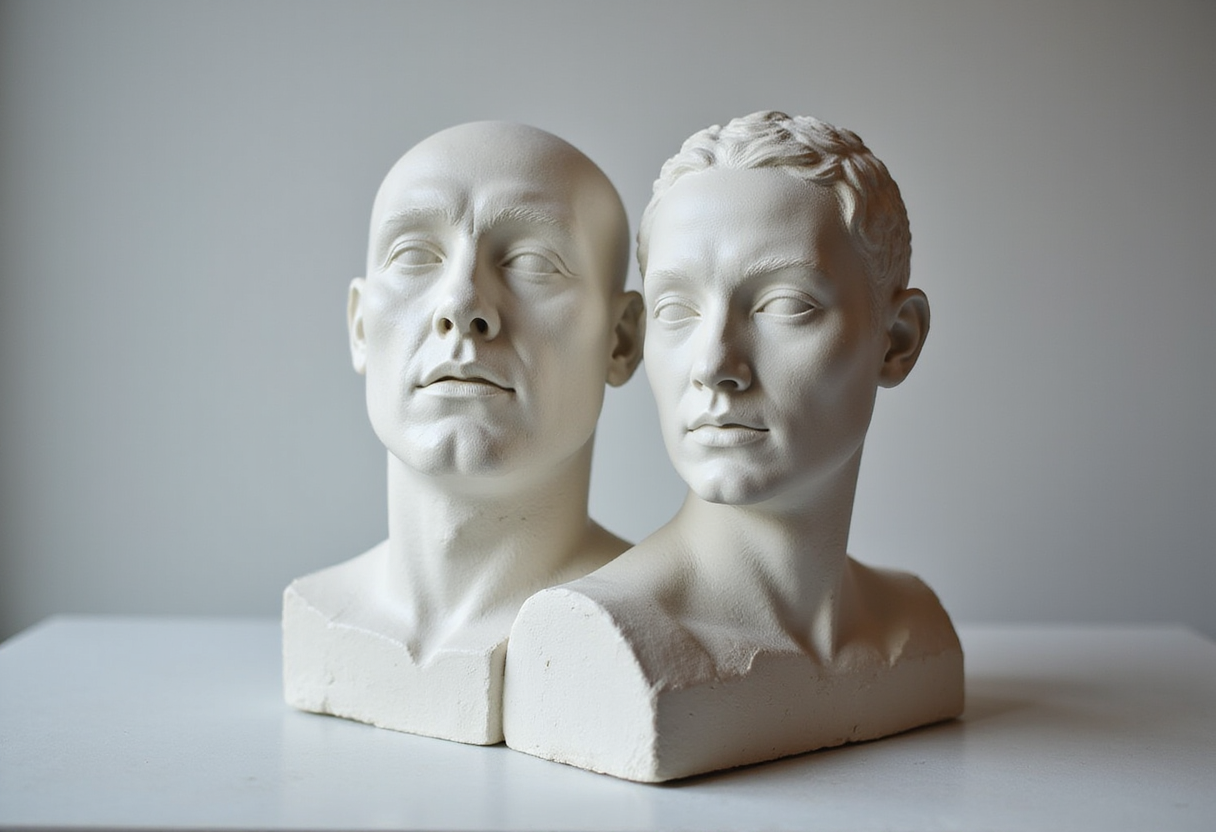
Hydrocal plaster, the high-strength gypsum cement long used to cast and repair sculptures, faces discontinuation. The news has sent artists scrambling for replacements.
Why the material matters
Hydrocal cures harder, denser, and finer than ordinary plaster of Paris. It accepts pigment, polish, and bronze patina transfer with predictable results across both studio and foundry settings.
Sculptors have relied on it for decades. They cast maquettes, build mother molds for bronze work, and finish final pieces that demand a crisp surface. Conservators use it to fill losses on historic plaster casts and architectural ornaments in museum collections.
Art schools teach with it because students can complete a finished piece within a single studio session. That economy has shaped how introductory sculpture has been taught since the mid-twentieth century.
Studios take stock
The discontinuation, flagged by artists and suppliers circulating notices across trade channels, has studios contacting manufacturers, retailers, and one another to map remaining inventory.
Some sculptors are hoarding cases of the material. Others are testing replacements, including Forton VF plus specialized dental and tooling plasters engineered to mimic parts of Hydrocal's working properties. None of the substitutes yet matches its full combination of strength, surface quality, and cost.
What does the loss change for working artists?
For practicing artists, the exit means rethinking material lists that may have stayed unchanged for thirty years or longer. For art schools, it means rewriting studio syllabi, replacing demonstration formulas, and recalibrating student budgets. For conservators, it means hunting for compatible fillers that will outlast the existing Hydrocal works now aging into collections.
A wider supply chain problem
The discontinuation exposes a quiet reality of art supply chains. Specialty materials often sit at the intersection of industrial manufacturing and small artistic demand. When a niche product falls below a manufacturer's profitability threshold, the cultural sector absorbs the loss.
Hydrocal's exit follows a pattern familiar to painters watching preferred pigments reformulated beyond recognition, printmakers losing specific paper stocks, and ceramicists seeing traditional clay bodies consolidated out of print catalogs.
What comes next for the field
Substitute testing will likely accelerate through the coming months. Manufacturers will watch closely for new demand signals. Studios that stockpile now may inherit a longer problem: any replacement carries its own setting time, surface hardness, and aging behavior distinct from Hydrocal.
Existing Hydrocal works will not change. They will continue to need compatible repair material for decades of future conservation. The next academic year will reveal which substitutes earn long-term trust, and which fall away after a single season of trials.
For sculptors who built careers on the material's predictability, the work continues under deadline with a new recipe to learn.
Source: NYT Arts
More from Marcus Bennett
Show full bio
Staff writer covering people, launches and day-to-day practice in arts in the broadest sense at Arts & Voices.
506 articles