Senate Cultural opens in Brasília with bicentenary exhibition
The Senate Cultural center opens in Brasília on 9 December, with free public access from 10 December through June 2027 and an exhibition marking the Senate’s bicentenary.
Programme
- Inauguration: 9 December at 3 p.m.; free public access begins 10 December.
- Free admission is scheduled through June 2027.
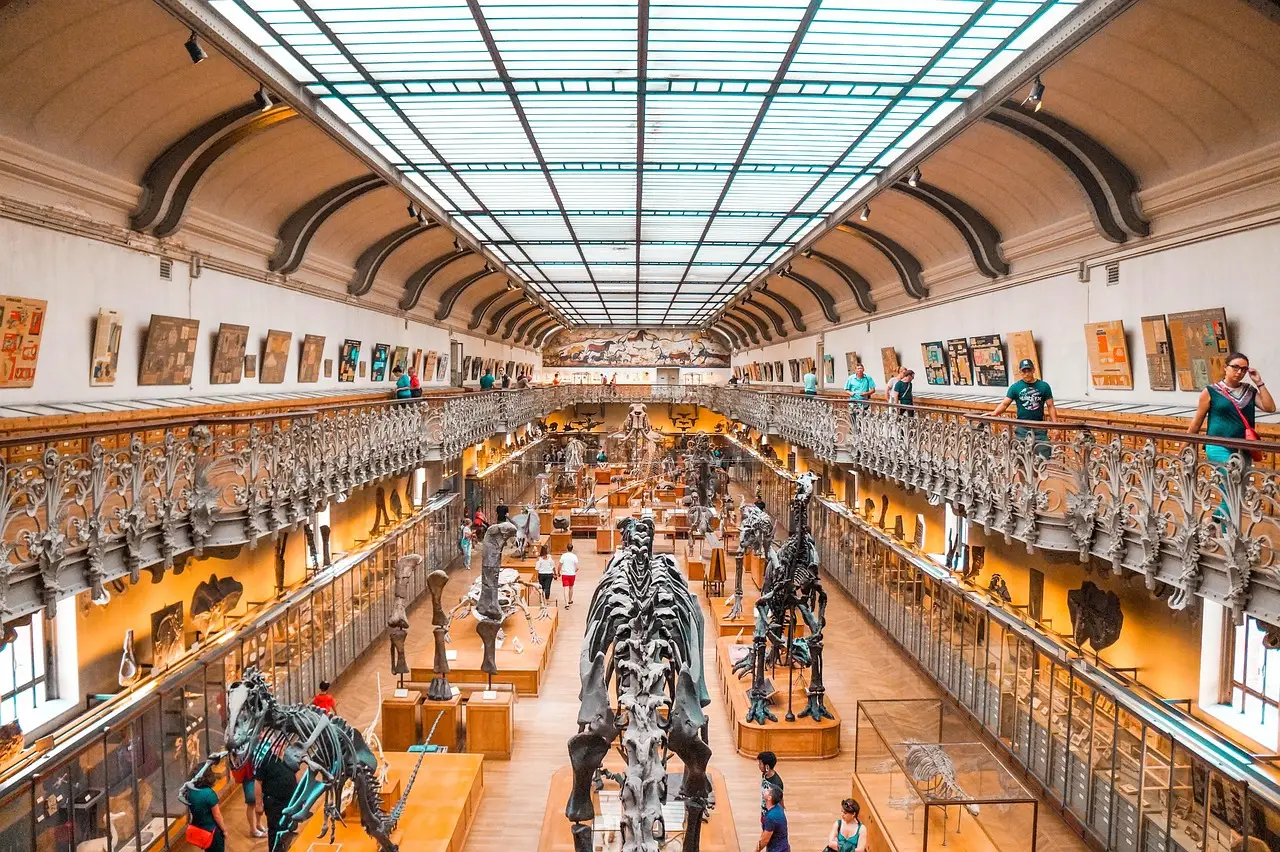
- The 1,000-square-metre gallery space will be divided among three galleries.
- Recovery work has run since 2024 at a former club closed almost 30 years ago.
- The inaugural exhibition follows three Senate sites dated 1826–1925, 1925–1960 and since 1960.
By Tom Whitfield
The Senate Cultural center in Brasília opens to invited guests on 9 December at 3 p.m. Free public access starts on 10 December and runs through June 2027, according to the Senate. Its inaugural exhibition, Senado em Movimento: 200 Anos de História, marks Brazil’s Senate bicentenary with interactive and immersive treatment of democracy and citizenship.
Access and opening
The Senate says the 9 December ceremony is restricted to invitees, including legislators and authorities. The center stands in the Setor de Clubes Esportivos Norte, near the Universidade de Brasília (UnB), and its published hours are 9 a.m. to 6 p.m., Wednesday through Monday. The announcement gives no daily visitor limit or booking procedure.
A reused civic building
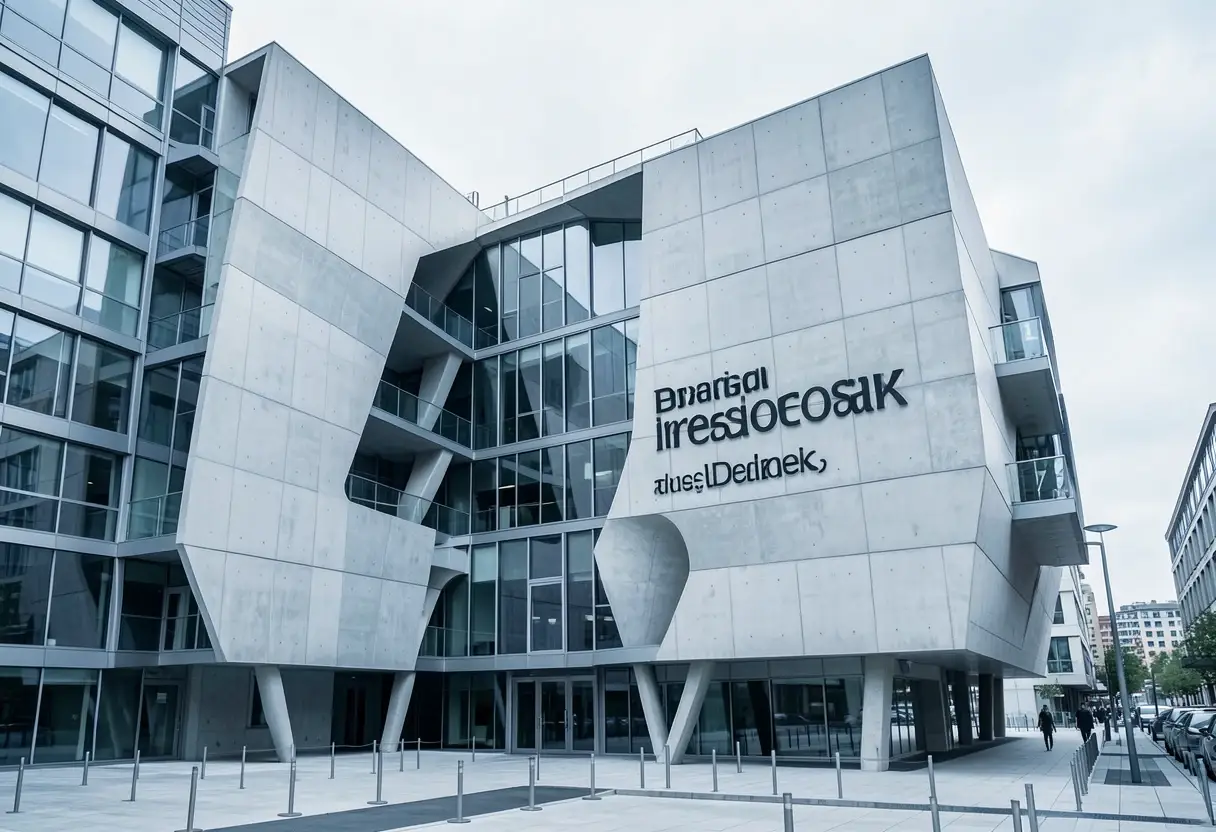
The Senate says the site occupies the former Clube do Servidor Público, which closed almost 30 years ago. Environmental and structural recovery work has been under way since 2024. The original facade by Armando Favato has been restored, and the landscaping is by Escritório Burle Marx.
That history gives the project a more concrete starting point than a blank site. It also raises questions the announcement leaves unanswered: the Senate publishes neither the recovery budget nor procurement details, and it does not say what share of the recovered building is currently usable.
History built for interaction
The Senate describes the inaugural show as a chronological account that starts in ancient Greece and passes through the Empire and the First Republic. It divides that account into three architectural axes:
- Palácio Conde dos Arcos (1826–1925)
- Palácio Monroe (1925–1960)
- Palácio do Congresso Nacional (since 1960)
Museologist Luana Martins said the exhibition was conceived to attract children and young people through interactivity. The announcement gives no object count, artist list, designers or technical specifications for the immersive elements, so the exhibition’s scale and authorship remain difficult to assess before opening.
Galleries and outdoor program
According to Cristina Monteiro, head of the Senate’s Núcleo de Gestão Museológica, the 1,000-square-metre space will be divided into three galleries beyond the inaugural exhibition:
- A gallery with the permanent collection of the Museu do Senado.
- An immersive gallery.
- A gallery devoted to artists from Brazil and the Federal District.
The Senate also says two outdoor galleries will operate: Galeria da Democracia and Galeria Brasília. An outdoor space is planned for a long-duration exhibition on the invasions and vandalism of the Palácio do Congresso Nacional on 8 January 2023. No installation date or curatorial team is named for that project.
The wider program includes a theater for performances and a children’s and young people’s library in the gardens, but the Senate describes both as plans rather than completed facilities. It sets out no construction timetable, budget, seating capacity, programming partners or library acquisitions. Calling them future amenities is more accurate than counting them as opening-day institutions.
What does the opening change for visitors?
The Senate says the immediate change is free entry to a restored center with a 1,000-square-metre gallery program through June 2027. The permanent collection, immersive section and dedicated space for Brazilian and Federal District artists form the core program. The theater, library and detailed account of the interactive exhibition are not yet complete or fully specified.
Ilana Trombka, the Senate’s director-general, said the center would become a new tourism and culture point in the capital, focused on work related to citizenship. That is an institutional ambition rather than a measured claim about footfall. The Senate announcement gives no attendance target, transport plan or timetable for the proposed theater and library.
Those limits matter. The Senate has set access dates and operating hours, but not the opening dates for the three galleries or the objects and commissions that will launch them. A visitor can plan around 10 December; a curator cannot yet plan around a confirmed sequence of exhibitions or commissions.
By June 2027, the Senate will have to show whether free access, the permanent collection and the unfinished supporting program have made the center a durable civic institution rather than a bicentenary opening.
Source: brasilemfolhas.com
More from Tom Whitfield
Show full bio
Market editor covering people, launches and day-to-day practice in arts in the broadest sense at Arts & Voices.
1,161 articles