Teddy Abrams and Ray Chen Premiere 'Seasons of America' in LA
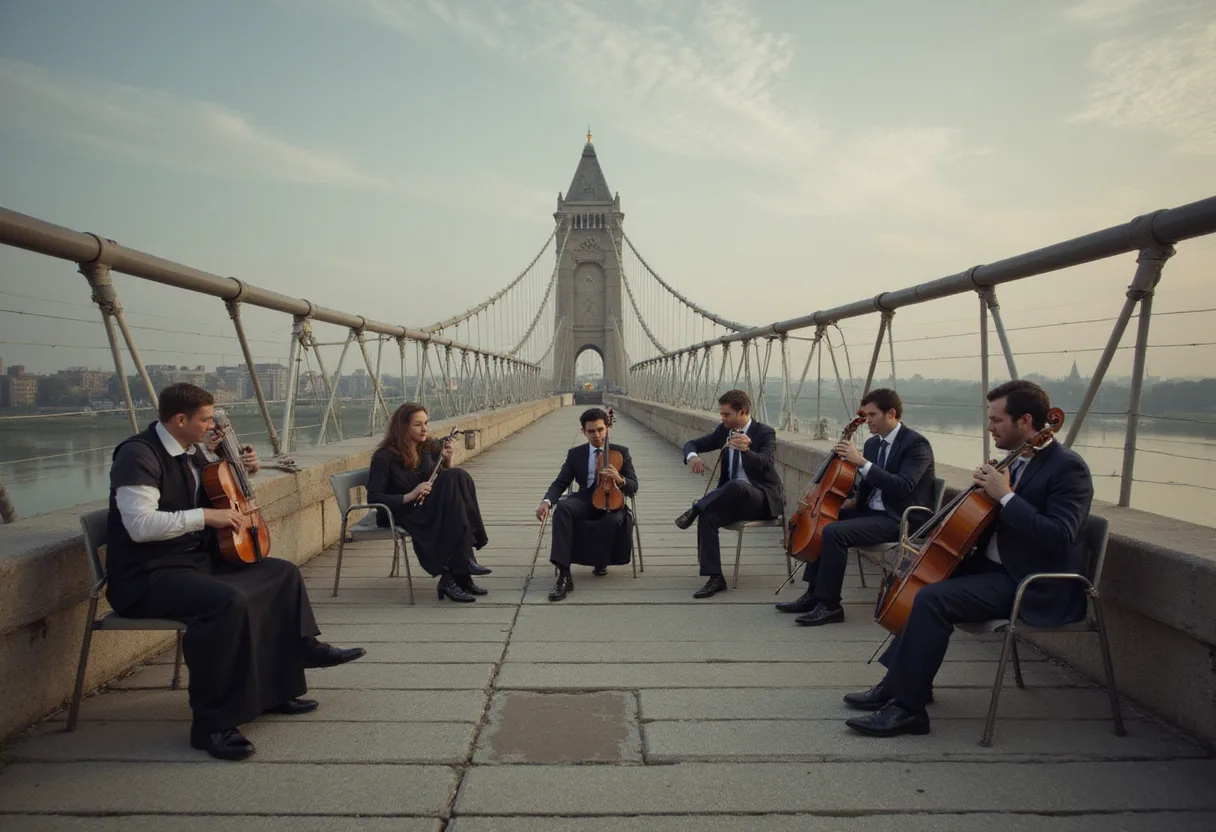
Teddy Abrams's violin concerto 'Seasons of America,' premiered by Ray Chen at Walt Disney Concert Hall on Oct. 29, marks the Declaration's 250th anniversary with Bach buried inside Vivaldi's format.
Programme
- Seasons of America, a violin concerto by Teddy Abrams, premiered Oct. 29 at Walt Disney Concert Hall with Ray Chen as soloist.
- The work commemorates the 250th anniversary of the Declaration of Independence.
- Its first movement draws on the Preludio from Bach's Partita No. 3 for solo violin.
- The program also included Julia Perry, Ives's Three Places in New England, and Gershwin's An American in Paris.
- Abrams and Chen met as classmates at the Curtis Institute in Philadelphia.
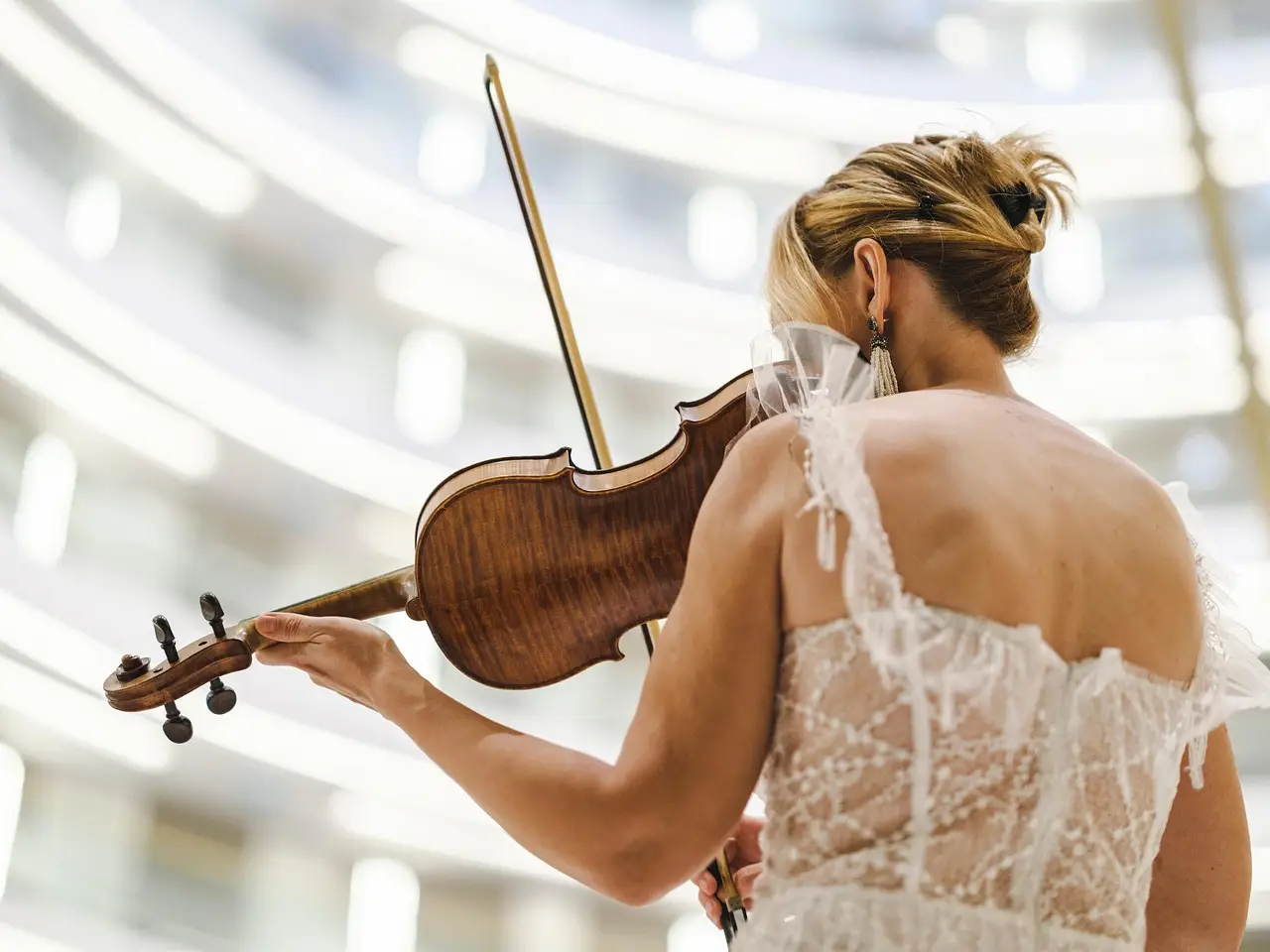
The world premiere of Teddy Abrams's violin concerto Seasons of America, played by Ray Chen, took place at Walt Disney Concert Hall on Thursday, Oct. 29, as part of an all-American program Abrams conducted.
Abrams wrote the piece this year to commemorate the 250th anniversary of the Declaration of Independence. In a year marked by turmoil abroad, economic hardship for most of the population at home, and rising alarm over the global climate crisis, Abrams said he wanted to write something positive and hopeful while acknowledging the nation's realities.
The two men met as classmates at the Curtis Institute in Philadelphia. Both now operate as outgoing ambassadors for music — eager public speakers at concerts where dignified silence from performers was once the norm.
What does the concerto actually sound like?
The program annotations bill the piece as a companion set of concertos for Vivaldi's ubiquitous The Four Seasons. What they do not say is that the motivating music for the first movement is clearly the Preludio from J.S. Bach's Partita No. 3 for solo violin. That is what Chen's fiddle starts to churn out before veering off into a mashup of a Baroque etude and a hoedown. Bach surfaces now and then like an underground river reaching daylight above orchestral decorations — and it is, by the review's account, very attractive stuff.
Each season has an American address:
- Spring — set somewhere in the Appalachian Mountains, built on the Bach Preludio.
- Summer — Santa Monica Beach, with relaxed lower strings, Ravelian winds and brasses, and possible reverberations from Hollywood films.
- Fall — New England, a sparkling perpetuo moto for the solo violin against sprightly, sometimes ravishing washes of color that glisten in Disney Hall's acoustics.
- Winter — nominally the "rugged terrain" of the Rocky Mountains or Alaska, though the reviewer heard something lighthearted and intimate, nothing forbidding like Vivaldi's sarcastic winter.
When "Spring" returns as an optimistic coda, so does Bach, as the cycle resumes.
The caveat: Chen's timbre was abrasive in the first three movements; only in the finale did he make his instrument sing. The reviewer's verdict on the work's future is blunt — other violinists will, and ought to, take it up. Whether the piece outlives its anniversary framing will depend on exactly that.
What else was on the program?
Abrams built the rest of the evening from American music that, on paper, reads like something his late mentor Michael Tilson Thomas would have programmed.
Julia Perry's Short Piece For Orchestra, a modernist tract giving soloists and pairs of instruments room to blow, is essentially a miniature concerto for orchestra — a tiny sample from a fairly substantial catalogue that the review argues deserves more exploration.
Charles Ives's Three Places in New England, long an MTT specialty, sounded bracingly clear in Disney Hall's acoustics. Abrams made sure the stillness and madness of this mashup of Americana came through unfiltered. Since Gustavo Dudamel absorbed Ives's world in his cycle of the four symphonies just days before COVID shut everything down, there has been very little Ives in Los Angeles — and this was a welcome return.
George Gershwin's An American in Paris closed the night. It opened at a jaunty, vigorous tempo and mostly stayed there, perhaps more rhapsodic in feel than jazzy. The saxophones compensated in the last bar with deliciously slurpy blues smears.
With a populist hook, a bankable soloist and a Vivaldi-sized slot in the repertoire, Seasons of America now enters the market for anniversary programming — its staying power will be tested by whoever plays it next.
Source: sfcv.org
More from Tom Whitfield
Show full bio
Market editor covering people, launches and day-to-day practice in arts in the broadest sense at Arts & Voices.
1,141 articles