The Swan Revisited: Erin Lee Carr's Doc Makes 2004 Look Prescient
Erin Lee Carr's new documentary revisits The Swan, the 2004 makeover show that gave 32 women extensive plastic surgery — and anticipated where beauty culture went next.
Programme
- Erin Lee Carr's new documentary revisits the 2004 reality makeover show "The Swan."
- The show gave 32 women extensive plastic surgery.
- The documentary frames the series as having anticipated the direction of beauty culture.
Director Erin Lee Carr's new documentary revisits "The Swan," the 2004 reality makeover show that gave 32 women extensive plastic surgery — and, in retrospect, mapped where beauty culture was headed.
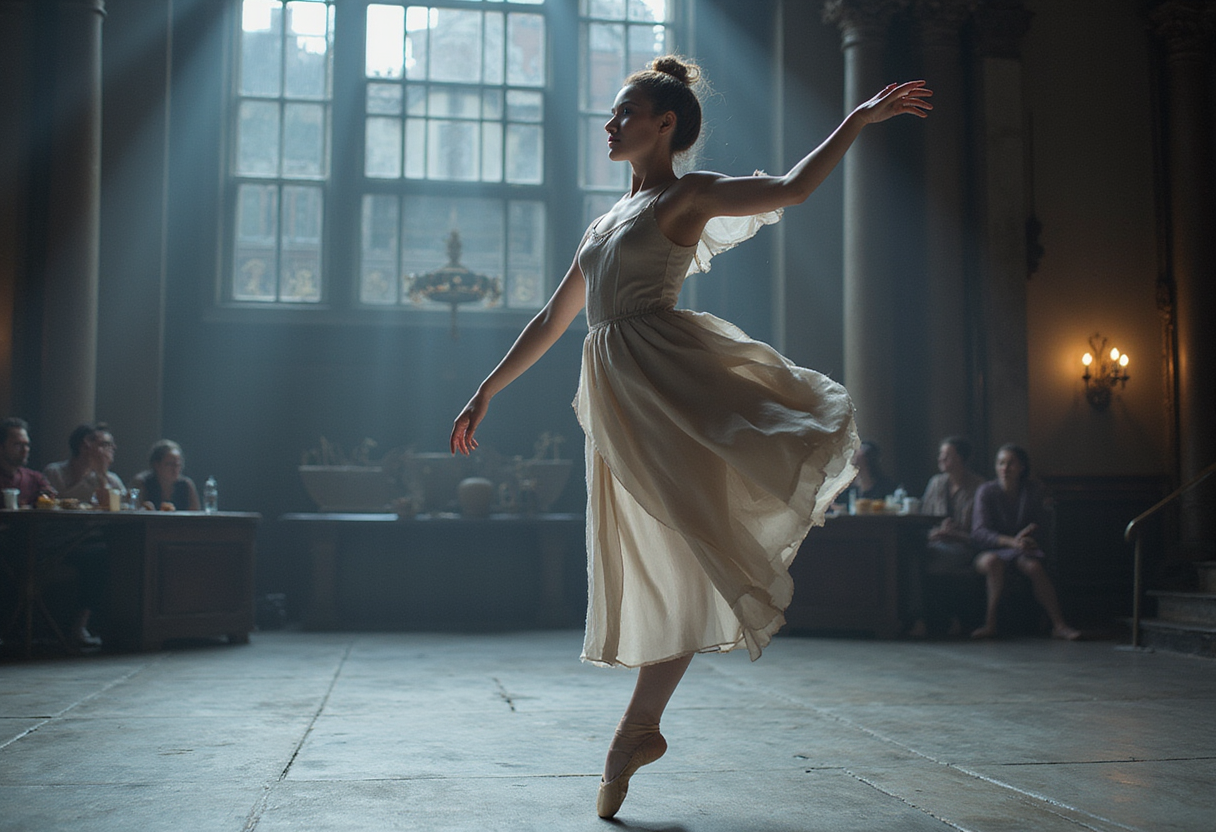
The film arrives two decades after the series first aired, and its core premise now reads less like an outlier and more like an early blueprint. "The Swan" took its name and its framing from Hans Christian Andersen's fairy tale of the awkward creature transformed into elegance. On the show, that transformation was surgical.
What did the show actually do?
Each episode followed a contestant through a battery of procedures. The stated goal was a full physical reinvention — not a haircut or a wardrobe update, but extensive surgery performed on 32 women across the run of the program. Contestants were kept from mirrors during recovery, then revealed to their families and the audience in a televised unveiling.
The winner, crowned "The Swan" at the end of the cycle, advanced toward a beauty pageant. The format fused cosmetic medicine with competition, turning medical recovery into narrative suspense and the surgical result into a scored outcome.
Why does it look different now?
Carr's documentary argues, through its revisit, that the show anticipated the trajectory of beauty culture rather than standing apart from it. What scandalized viewers in 2004 — the normalization of surgical intervention as entertainment, the packaging of women's insecurity as aspirational content — has since spread across social platforms, filters, and an aesthetic procedure market aimed at ever-younger consumers.
The line between the series and the present has thinned. Treatments once framed as drastic are now discussed as maintenance. The reveal-and-rate structure the show pioneered lives on in before-and-after content posted daily to millions of followers.
Who is Erin Lee Carr?
Carr has built her career on documentary examinations of American institutions and subcultures gone wrong, and her new film applies that investigative lens to reality television. Her approach is archival and revisitory: return to the scene, talk to the participants, and let the intervening years clarify what the original moment actually meant.
Here the intervening years have been clarifying indeed. The women who underwent the transformations — 32 of them, on the record, on camera — carry the longest arc of the story, and the documentary returns their experiences to the center of a conversation that once treated them as content.
The film's implicit verdict is uncomfortable: the most disturbing reality show of the 2000s no longer seems crazy, because the culture caught up with it.
Source: NYT Arts