By Daniel Okafor
The Washington Ballet’s “Go-Go 50” drew an audience of 2,000 to the Warner Theatre for its season opener, according to the review. The company ran four sold-out performances from October 30 to November 1, 2026.
Before curtain, Artistic Director Edwaard Liang greeted the sold-out crowd: “I’m so excited!” Newly appointed Executive Doug Singleton offered the evening’s compact diagnosis: “a go-go thing that is the heartbeat of DC.” The review placed go-go music within D.C. culture and called its fusion with classical ballet a project that might have needed half a century to work.
In the Warner lobby, the review found colorful posters and photographs of former company directors. The display recalled the troupe’s past, including performances in Cuba when Septime Webre led it. The review framed the program through past, present and future.
What did “Blue Until June” bring to the program?
The review placed Trey McIntyre’s 2001 ballet “Blue Until June” first, with sultry, sexy Etta James songs and a pale-blue skirt that expanded into billowing fabric. Each pirouette (a turn on one foot) revealed another dancer against “St. Louis Blues.”
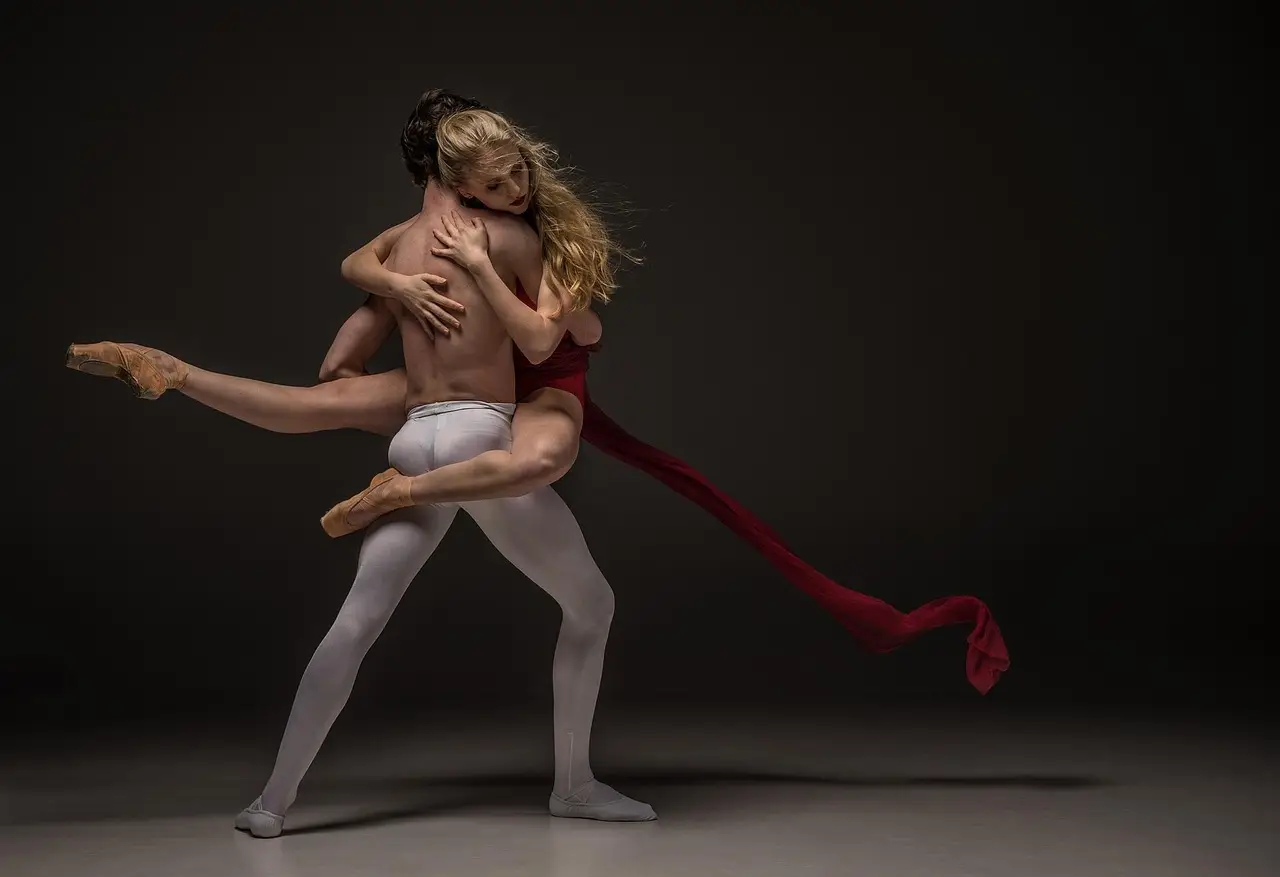
The 2001 work showcased partnering (the lifting and throwing of dancers in pairs). A ballerina was held aloft with crossed arms, then thrown over her partner’s shoulders. In “Fool That I Am,” two men shared a tender moment. One then turned to a woman in the wings, grabbed her hand and walked off with her. The audience gasped, the review reported.
“At Last” brought multiple partners swinging their limbs and turning. Fabric covered each dancer one by one until only the blue ballerina remained. The review said the ballet “should be seen again and again,” citing its relationship complexities and the pull of Etta James’s bluesy singing.
How did the program move from contemplation to speed?
Choo San Goh’s 1982 “Configurations” used Samuel Barker’s percussive “Concerto for Piano and Orchestra, Op. 38” as its score and demanded a quiet, contemplative mood. The review called the ballet “a love letter to the main couple,” with special attention to ballerina Maki Onuki, who was celebrating her 23rd anniversary with The Washington Ballet. It called her a prima ballerina (a leading dancer) in all senses and said both performers deserved the “bravo” applause.
Edwaard Liang’s “The Art of War,” created in 2015, shifted the program toward what the review called the future. American composer Michael Torke supplied “Ash,” his propulsive, minimalist orchestral score from 1988. Liang drew the ballet from Sun Tzu’s ancient Chinese military treatise. Red silk moved across the stage to mimic ink slashing across a painting. The dancing was fast and fierce.
Liang described “War” as a showcase for each dancer. Without a program, the reviewer singled out the tallest male dancer at center. He jumped high enough to touch his toes to the side of his body, becoming a favorite of both the audience and the reviewer. The review called “The Art of War” “the perfect warm-up” to the finale.
Why did the go-go finale become a party?
Chanel DaSilva’s “An Artist’s Prayer,” a world premiere (a first public performance), closed the night with live music by Black Alley before sending the audience into the aisles. Five live musicians and a female singer led “Sing a Song.” The crowd stood and never sat down again. Spectators danced in their seats or stood in front of them, and some touched outstretched arms.
The review said the standing crowd made the dancers harder to see. It also noted that spectators knew the lyrics and sang along. The floor won the sightline. The party still succeeded. The reviewer called the night new to them.
The review described the event as “a homecoming, a reunion, a time to celebrate DC culture, classical ballet, and go-go music.” It urged the company to make the format annual and bring back the dancing shoes. The full program ran two hours and 30 minutes, with two short intermissions.
Next comes Septime Webre’s original take on “The Nutcracker
Source: mdtheatreguide.com
More from Daniel Okafor
Show full bio
News editor covering companies, deals and strategy in arts in the broadest sense at Arts & Voices.
1,101 articles