The Witch Farm review: Danny Robins's ghost drama shows its monster too soon
Danny Robins turns the seven-year "Welsh Amityville" haunting into a four-part BBC drama — and rushes its ghosts on screen so fast the scares turn funny.
Programme
- The Witch Farm, written by Danny Robins, is a four-episode BBC drama about the Heol Fanog haunting that began in 1989 and lasted seven years.
- Robins previously made a nine-part BBC audio documentary on the case in 2022, with Joseph Fiennes and Alexandra Roach voicing the Rich family.
- Michael Socha, Gabrielle Creevy and Lewin Lloyd star as the Rich family; Robert Pugh plays a neighbouring farmer.
- The review finds the first clear ghost sighting arrives too early and is 'laugh-out-loud funny' rather than frightening.
Danny Robins's new BBC drama The Witch Farm delivers its first full ghost sighting so early and so unsubtly that it becomes, in the words of one review, "laugh-out-loud funny" — the opposite of the effect a horror story wants.
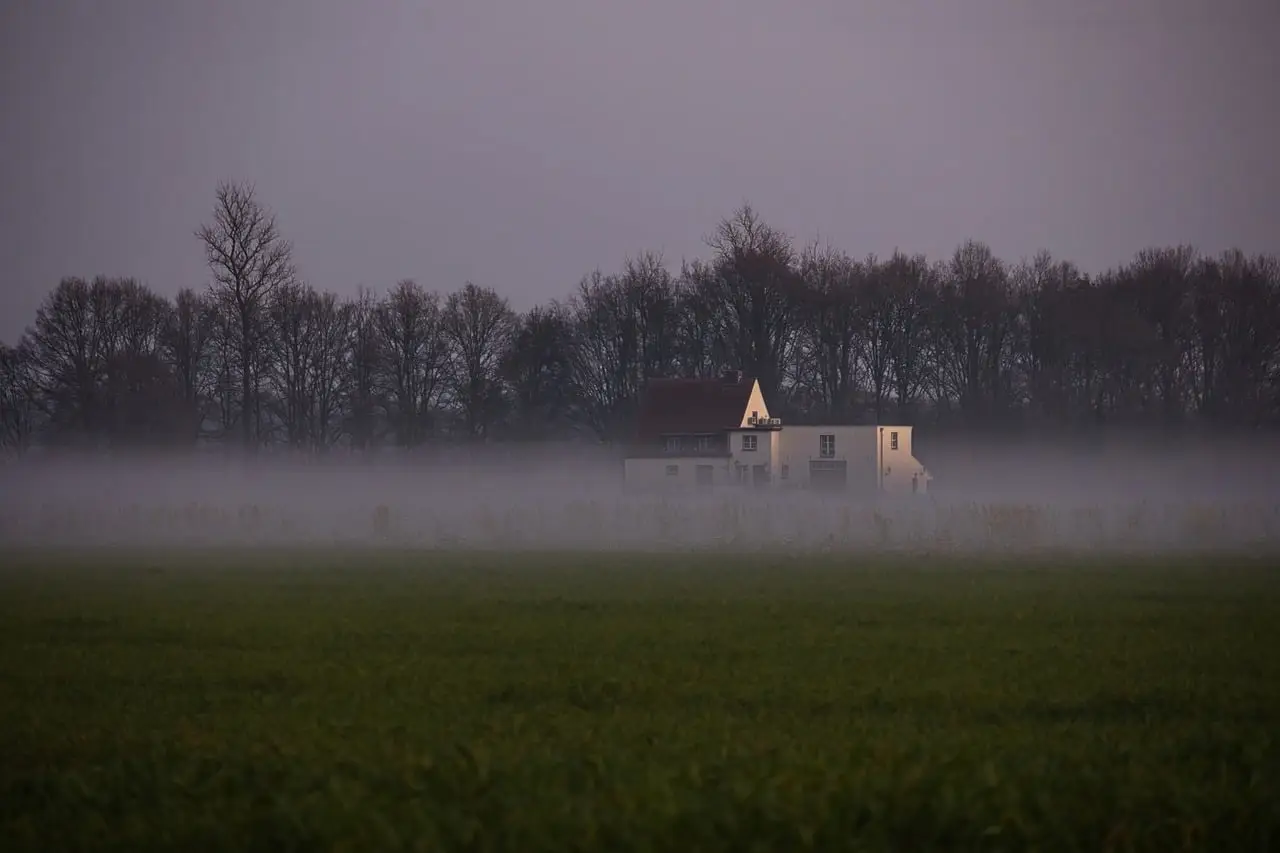
The series retells the case of Heol Fanog, a remote farmhouse at the foot of Bannau Brycheiniog (formerly the Brecon Beacons). In 1989, English artist Bill Rich, his pregnant Welsh partner Liz and Bill's teenage son Jonathan moved in, hoping to trade urban complexity for rural quiet. Instead, the family reported supernatural phenomena that continued for seven years, in a case nicknamed the "Welsh Amityville" after America's most famous claimed haunting.
Robins knows this material well. He presents the podcast and BBC Two series Uncanny, which investigates claims of contact with the undead, and he has called the Heol Fanog case a lasting obsession. In 2022 he made a nine-part BBC audio documentary about it, with Joseph Fiennes and Alexandra Roach playing the Riches in dramatised inserts. The Witch Farm, written by Robins, is his second pass — a full fiction this time, with Michael Socha and Gabrielle Creevy as the couple and Lewin Lloyd as Jonathan.
What does fiction change for the story?
Plenty. Robins's factual programmes can frustrate viewers who assume death is final, because his showman instincts let a parapsychologist's earthly explanations drown under "a tide of intoxicating hogwash". As drama, though, he's free of the obligation to stick to documented fact. Ghosts can simply be real on screen, and sceptical viewers can suspend disbelief for the length of an evening.
The raw material is strong. The family carries classic ghost-story vulnerabilities: Jonathan resents Bill's role in the collapse of his parents' marriage; Bill has dormant alcoholism and a stalled art career; Liz is about to have a baby with a man who reads as a risky choice. Socha, whose speciality is matey charmers in denial, is well cast. The house itself helps — rough and rickety, with dusty junk in the attic and a derelict stone building at the bottom of the garden whose old cellar is now a seemingly bottomless black pond. Robert Pugh plays a frosty neighbouring farmer.
**Why doesn't it scare?
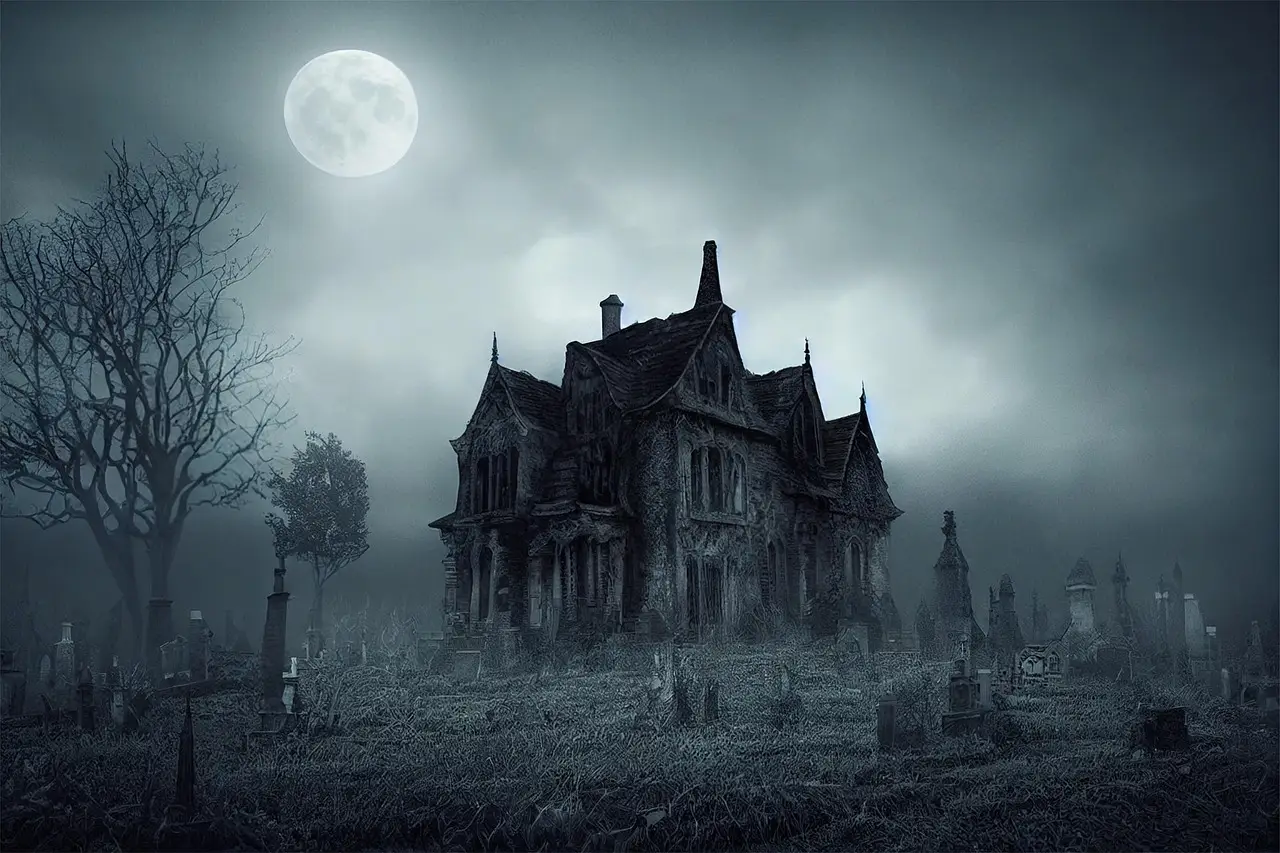
The Heol Fanog case simply contains too much. Even across four episodes, the drama has to move uncomfortably fast to cover everything the 2022 podcast touched: historical murders, ancient curses, ley lines (hypothetical alignments of sacred sites), plus regular visions of the dead. That pace breaks the genre's golden rule — wait as long as possible before showing the monster.
There's no slowly accumulating dread. The house is bedlam from day one. The production tries the usual toolkit — claustrophobic closeups, shaking handheld cameras, one genuinely chill-inducing shot of a swiftly retreating spectre — but soon abandons atmosphere-building and shows its hand. The first clear sighting of what haunts the Riches arrives far too early.
The deeper loss is thematic. The best ghost stories use malevolent phantoms as allegories for human frailty, and the family's material — Liz's new-mum insecurities, Jonathan's turbulent adolescence, Bill's mental fragility — gives this drama everything it needs for that. Its origin as a case-file retelling means it hasn't time to do the work. The verdict: this one is for true believers.
Source: theguardian.com
More from Grace Kim
Show full bio
Correspondent covering technology and product news in arts in the broadest sense at Arts & Voices.
1,754 articles