Trinh T. Minh-ha Finishes First U.S. Film, 'The Undying Desert'
Trinh T. Minh-ha has finished editing 'The Undying Desert,' her first film set in the U.S., after nearly two decades shooting in the Great Basin Desert. A second desert film is already underway.

Programme
- Trinh T. Minh-ha has finished editing 'The Undying Desert,' her first film set in the U.S.
- She shot in the Great Basin Desert for almost two decades.
- She announced the film at the Ji.hlava Documentary Film Festival retrospective.
- A second Great Basin film, co-directed with Jean-Paul Bourdieu, is already in progress.
- Her prior works include 'Reassemblage,' 'Forgetting Vietnam' and 'What About China?'
Trinh T. Minh-ha has finished editing her first film set in the United States, "The Undying Desert," shot over nearly two decades in the Great Basin Desert. She announced the milestone at the Ji.hlava Documentary Film Festival, where a retrospective of her work is screening.
"I've just finished editing it," she told Variety. "I've made films in Africa, China, Vietnam and Japan, and people would ask: 'When are you going to make a film about the U.S.?' They were right, because I live there."
What does the desert mean in the film?
The Vietnamese-American filmmaker, writer, feminist and post-colonial theorist challenges the label of the desert as barren land. "A desert is huge, majestic and beautiful. At the same time, it's considered 'arid' by colonizing forces. All these prejudices about what a desert is still exist in our language. But it's actually very lively," she stated.
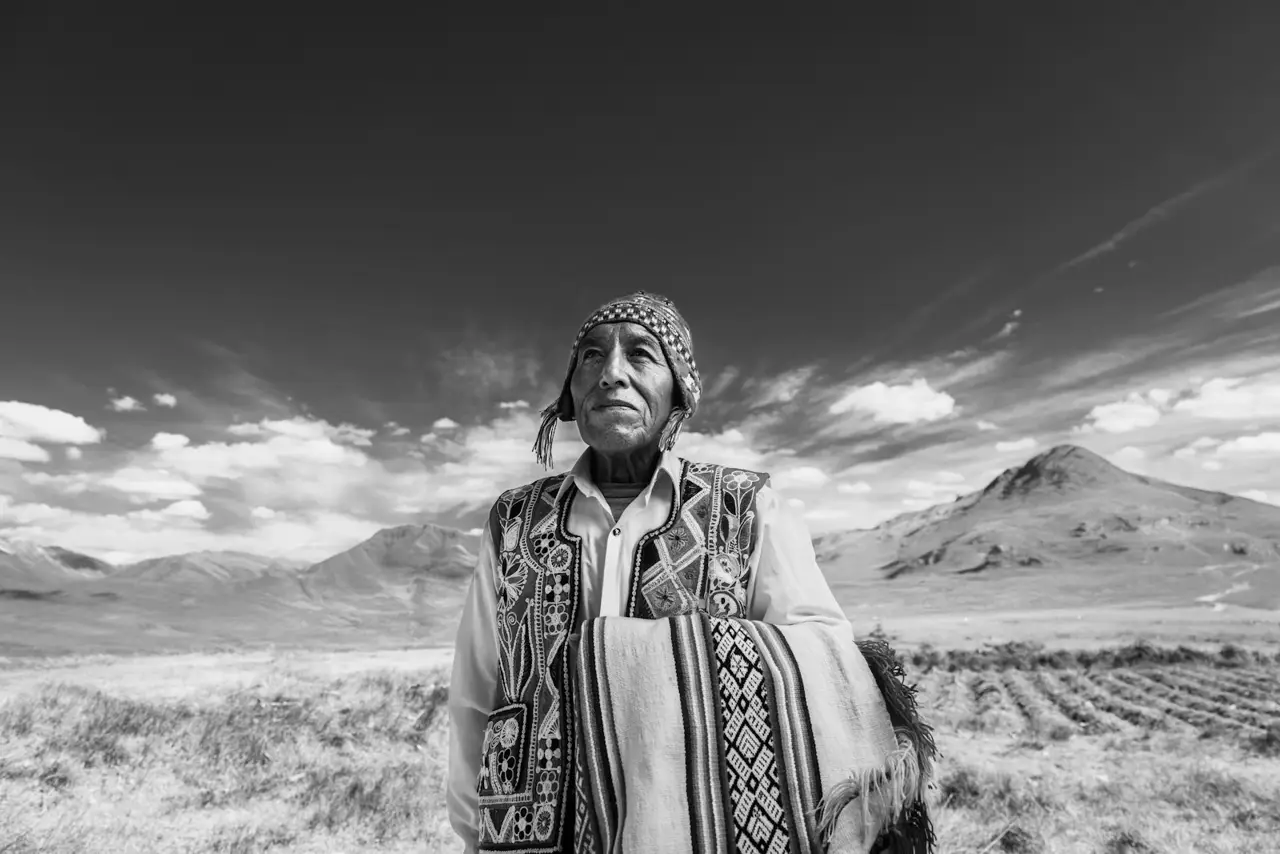
The film examines people's relationship with the place. "For me, this film is closely related to the way of life of indigenous people, especially Native Americans," she said. "You go there to be with your true self."
Not everyone is ready for that, though. "Some just use it as a terrain for sports. They're there, but they are not with the desert. Native Americans see the desert as layers and layers of life... They always remember that their ancestors are with them too. Life and death go together."
A second desert film already underway
Trinh started another film immediately after "The Undying Desert." Co-directed with longtime collaborator Jean-Paul Bourdieu, it will also be set in the Great Basin.
"There are groups of people who isolate themselves and turn this location into a research center for Mars. They plan to go there and colonize another planet," she said.
"With every one of these trips to the desert, I could see myself changing."
Her earlier works include "Forgetting Vietnam," "Surname Viet Given Name Nam," "Reassemblage" and "What About China?" She never focuses on individual stories. "It's like poetry, where the 'I' is collective. You're inviting people to come in," she explained.
Cinema for the whole body
Trinh draws a line between the political and politics. "Everything we do can be political. This is particularly relevant for women because we're very attuned to everyday activities," she said. "When you turn the camera toward someone else, you also have to turn it toward yourself."
For her, "cinema is not just an experience for the eyes. It's an experience for the whole body." When someone told her they were "hearing this film with my eyes and seeing it with my ears" at an early screening of "Reassemblage," she replied: "Perfect."
Her advice to emerging filmmakers: "You set up the rules for yourself." But freedom brings burden. "You have to be much more responsible because you are the one setting the rules," she said. "Even after so many years of making films, producers or programmers are not immediately interested in my work. But I'm still building my audience."
With two desert films now in motion, that audience will have to decide for itself where her work sits between fiction and documentary — a question she answers with another: "Why do you need to know?"
Original: ji-hlava.com
More from Marcus Bennett
Show full bio
Staff writer covering people, launches and day-to-day practice in arts in the broadest sense at Arts & Voices.
911 articles