US Returns 64 Smuggled Artifacts to China, Including Dinosaur Skeleton
The US has returned 64 cultural artifacts to China, including a complete Psittacosaurus skeleton and a Buddha looted from the Tianlongshan Grottoes more than a century ago. The transfers preceded Xi Jinping's White House visit.
Programme
- US returned 64 cultural artifacts to China in late September, comprising 58 objects to Washington and 6 bronzes to New York.
- Returned objects include two Buddhas, terracotta horsemen, fossilized dinosaur bones and a full Psittacosaurus skeleton.
- Nine HSI offices worked with the FBI, the State Department, and U.S. Customs and Border Protection on the cases.
- One Buddha was looted more than 100 years ago from the Tianlongshan Grottoes in Shanxi Province.
- Transfers preceded Xi Jinping's three-day visit to the White House, with ceremonies held at the Chinese embassy and the Manhattan DA's office.
The United States returned 64 cultural artifacts to China in late September, with shipments landing in Washington, D.C. and New York. The transfers preceded President Xi Jinping's three-day visit to the White House.
Homeland Security Investigations, a unit of Immigration and Customs Enforcement, announced the first batch on Wednesday. Fifty-eight objects reached the Chinese embassy in Washington, D.C. The following day, the Manhattan District Attorney's office returned six additional bronze pieces in a separate ceremony in New York.
What did the returned objects include?
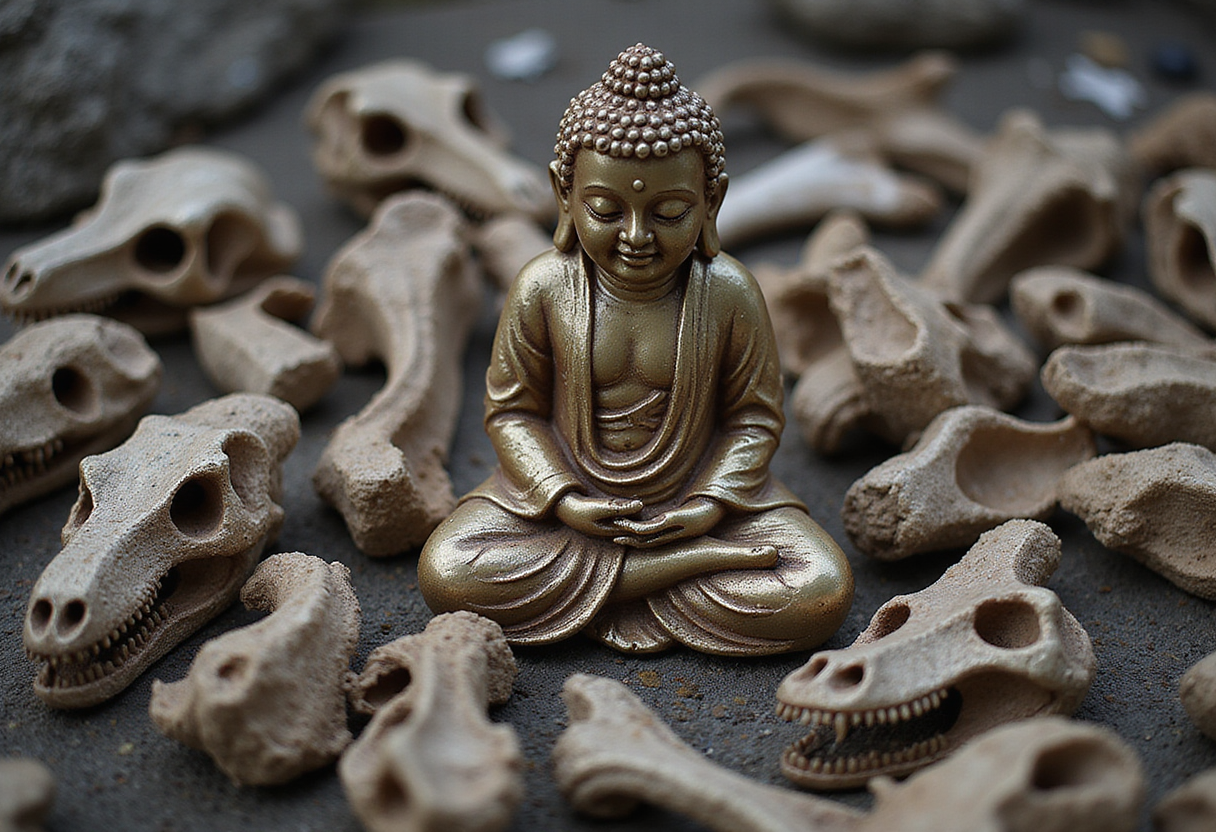
The 64 pieces span religious sculpture, funerary art, and natural history. Among them are two Buddha sculptures, terracotta statues of horsemen, fossilized dinosaur bones and eggs, and a full Psittacosaurus skeleton — a small, plant-eating dinosaur with a distinctive beak. One of the Buddhas was looted more than 100 years ago from the Tianlongshan Grottoes in Shanxi Province.
How were the investigations run?
Nine HSI field offices collaborated with the FBI, the U.S. State Department, and U.S. Customs and Border Protection on the cases. Their shared aim: shutting down black-market channels for ancient antiquities. ICE has long argued that those channels fund criminal activity.
"The trafficking of cultural property not only robs civilizations of their heritage, but also channels money into transnational criminal organizations, results in international money laundering, and even funds terrorist activities," Ricardo Mayoral, HSI's assistant director of international operations, said in a statement.
What did Chinese officials say?
Chinese foreign ministry spokesman Guo Jiakun framed the returns as a diplomatic milestone. At the Washington ceremony he said: "China and the US should go in the same direction in the spirit of equality, mutual respect and mutual benefit so as to accomplish more great and concrete things for the good of our two countries and peoples."
Why does the timing matter?
Public reporting places the Washington ceremony in the days before Xi's White House meetings — an unusually discreet handover for a transaction of this size. The Manhattan bronze transfers followed on Thursday, suggesting coordinated efforts across two federal jurisdictions.
The Psittacosaurus skeleton stands out among the listed objects. Complete dinosaur specimens rarely pass through U.S. forfeiture proceedings, and its return marks a notable expansion of the categories treated as repatriable cultural property. Further object-level documentation, including provenance records for the Tianlongshan Buddha, is likely to surface as the FBI and HSI close out their case files.
If the Washington and Manhattan ceremonies are any guide, U.S. investigators plan to keep pressing on artifacts tied to Chinese sites — a posture that will test whether the diplomatic warmth of the Xi visit produces additional returns before the year ends.
Original: ice.gov
More from Daniel Okafor
Show full bio
News editor covering consumer brands and retail at Arts & Voices.
347 articles