Why Horror Films Keep Reaching for Catholic Symbols, Explained
"You don't call for a Methodist": the authors of Body and Blood, a director and an exorcism consultant explain why horror cinema keeps choosing Catholicism.
Programme
- Body and Blood: Catholic Horror in America, co-authored by Matthew J. Cressler, Jack Lee Downey, Kathleen Holscher and Michael Pasquier, examines Catholic themes in American horror.
- The Rev. Aaron Williams of the Basilica of Saint Mary in Natchez, Mississippi, consulted on the 2025 horror film The Ritual.
- Aislinn Clarke directed the 2024 horror film Fréwaka and the 2018 film The Devil's Doorway.
- The Devil's Doorway references the Magdalene laundries, asylums run by Protestants and Catholics from the 18th to the 20th centuries.
- Cressler cites Psycho's mummified mother as Catholic veneration imagery in a non-Catholic film.
By Grace Kim
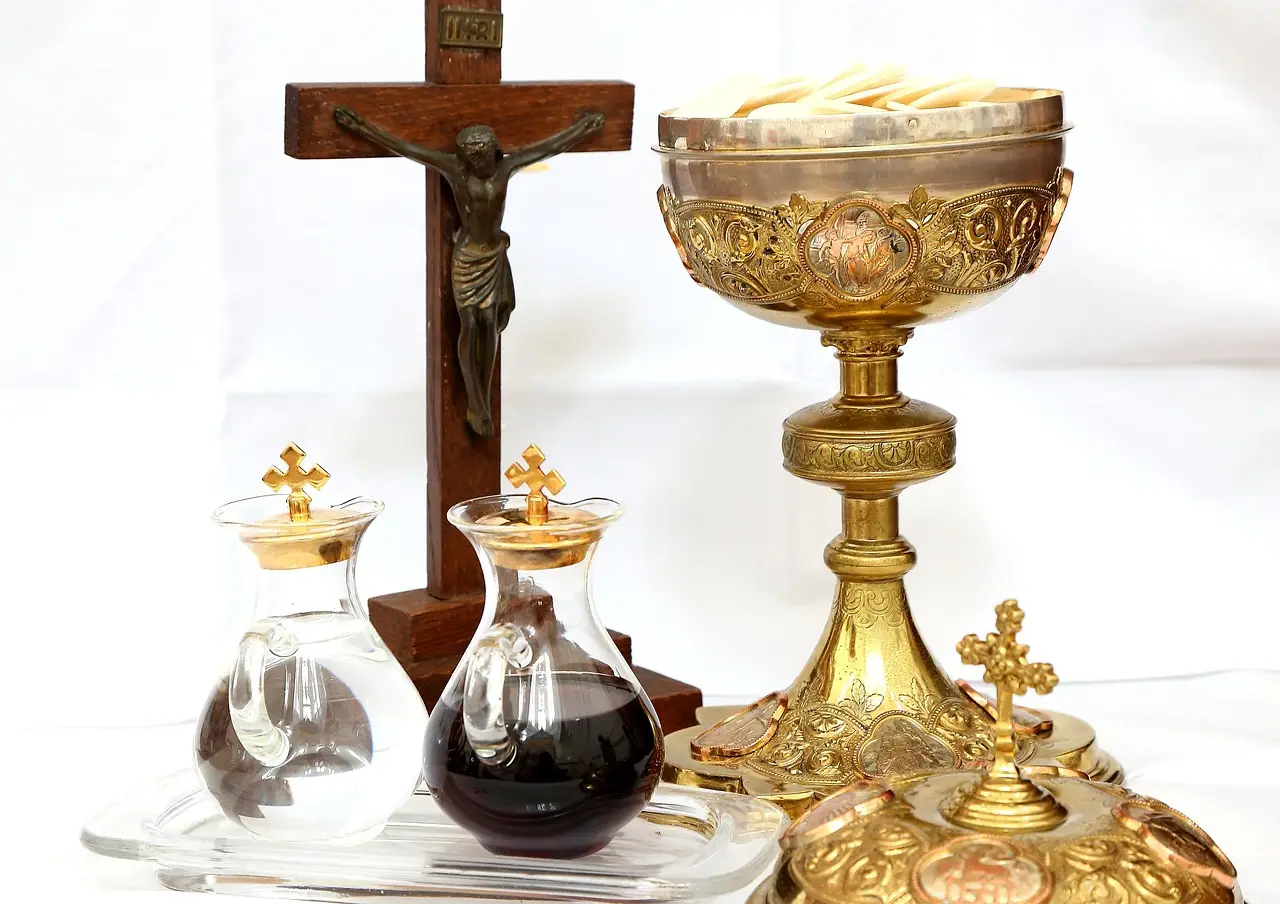
"When a vampire is at your door or your child is possessed, you don't call for a Methodist," said Matthew J. Cressler, co-author of the new book Body and Blood: Catholic Horror in America. "God love the Unitarians, but you don't ask for your Unitarian minister. You grab your rosary beads, your St. Christopher medal, your holy water, your priest."
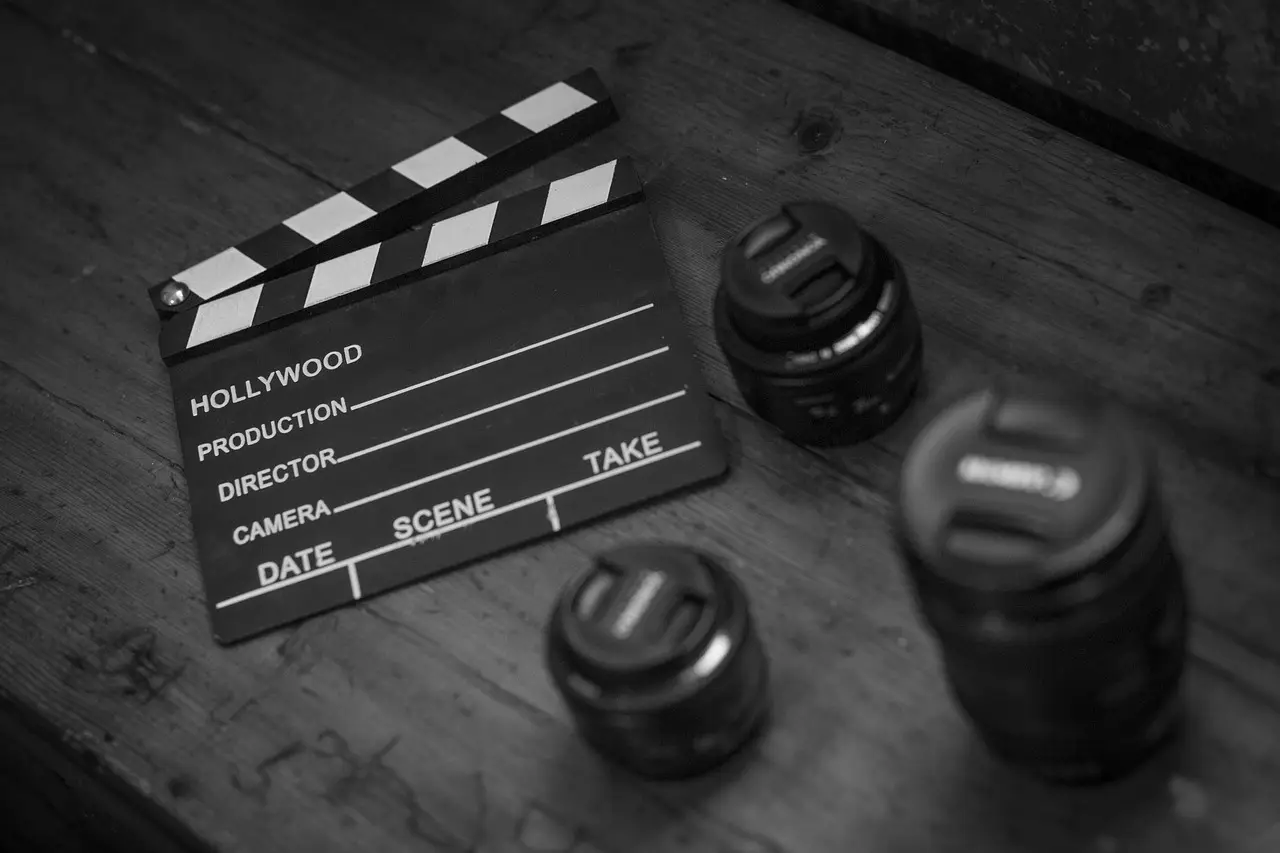
Cressler, who wrote the book with Jack Lee Downey, Kathleen Holscher and Michael Pasquier, spoke to NPR about a pattern every horror fan knows. Think of the genre's most iconic scenes: priests gathered around a possessed child in The Exorcist, the chanting coven in Rosemary's Baby, the priest warning Damien's father in The Omen. Horror villains come in all shapes and sizes, but when religion shows up on screen, it's almost always Catholicism — conclaves, Gothic churches, a white clerical collar set against the ultimate prince of darkness.
What makes Catholicism so useful for the genre?
Part of it is theology, Cressler argued. "Catholics have long had a sense that when one suffers, one is bearing the cross of Christ. And that in suffering, one is drawn closer to Christ," he said. Horror movies take that idea and, in his words, ratchet it up to 11.
Catholic themes also surface in films with no overt Catholic content. Cressler pointed to Psycho: Norman Bates keeping his mother's mummified corpse in the basement mirrors the Catholic practice of venerating the remains of the beloved dead.
How does real clergy involvement work?
The Rev. Aaron Williams, a pastor at the Basilica of Saint Mary in Natchez, Mississippi, consulted on the 2025 horror film The Ritual. He told NPR that most people fall into sin through temptation rather than possession, but added: "we do come in contact with the occult and the enemy and his minions, the demons."
The church still performs the rite of exorcism, and it frames its clergy as equipped to confront ultimate evil because they carry ultimate good. "A priest … through ordination, he's sacramentally received a character that allows him to act with the authority of Christ," Williams said.
What does this change for how we watch these films?
Some movies use that priestly authority to save characters from demons. Others use horror to indict the church itself. The Irish director Aislinn Clarke, who wrote and directed the 2024 horror film Fréwaka, said an Irish Catholic childhood was perfect preparation for the job. "I remember reading a book about the lives of the saints, which my parents probably thought was a very wholesome thing for a child to read," she said. "But there was a lot of stuff about, like, St. Lucia plucked out her eyeballs, and another saint cut off her breasts. And everybody's wearing hair shirts and thorns and flagellating."
Her 2018 film The Devil's Doorway shows nuns singing hymns to Christ while performing a brutal symphysiotomy (a surgical procedure that breaks the pelvis during childbirth) and ignoring the young woman suffering in front of them. The scene nods to the Magdalene laundries, asylums run by Protestants and Catholics between the 18th and 20th centuries where women were confined. "There are things flying around, and crosses going upside down, and we have some stuff like that," Clarke said. "But the most horrific scene in the movie from the script stage for me was always going to be this birth sequence."
Cressler argued the traffic runs both ways: Catholic horror shapes how audiences see the actual church. "If you walk into a room that's got too many candles and too many crosses and too many statues, you know you're in trouble," he said.
The same holds for the tropes of Catholic grace and redemption. Horror films drag our fears into the open, and in seeing them, we can defeat our monsters — at least until they're resurrected for the sequel.
Original: stmarybasilica.org
More from Grace Kim
Show full bio
Correspondent covering technology and product news in arts in the broadest sense at Arts & Voices.
966 articles