Wits Opera Marks 50 Years Since Soweto With 'The Fallen Youth'
Dr. Musa Nkuna unveiled "The Fallen Youth Op. 61," a 60-minute opera marking 50 years since the Soweto uprising, at Wits University's Chris Seabrooke Music Hall on Oct. 11, 2026.

Programme
- "The Fallen Youth Op. 61," a roughly 60-minute through-composed opera by Dr. Musa Nkuna, premiered at Wits University's Chris Seabrooke Music Hall on Oct. 11, 2026.
- The work commemorates the 50th anniversary of the June 16, 1976 Soweto uprising.
- Bass Sebabalo Zweni sings the lead role of Kobus, the police officer who carries the order to open fire.
- Part Two includes a lament for Hector Pieterson, the twelve-year-old killed in the uprising.
- Nkuna designed the opera at chamber scale for university, festival and touring contexts.
Dr. Musa Nkuna unveiled "The Fallen Youth Op. 61," a through-composed opera (one continuous piece, no spoken dialogue) commemorating the 50th anniversary of the June 16, 1976 Soweto uprising, before a packed Chris Seabrooke Music Hall at Wits University on the afternoon of October 11, 2026.
Nkuna, head of the university's music department, wrote both the music and the libretto. The audience included Dr. Tinyiko Maluleke, Vice-Chancellor of Tshwane University of Technology, and prominent choral conductors such as Mpho Motaung of Kopano Chorus — a measure of the occasion's weight in South Africa's classical music community.
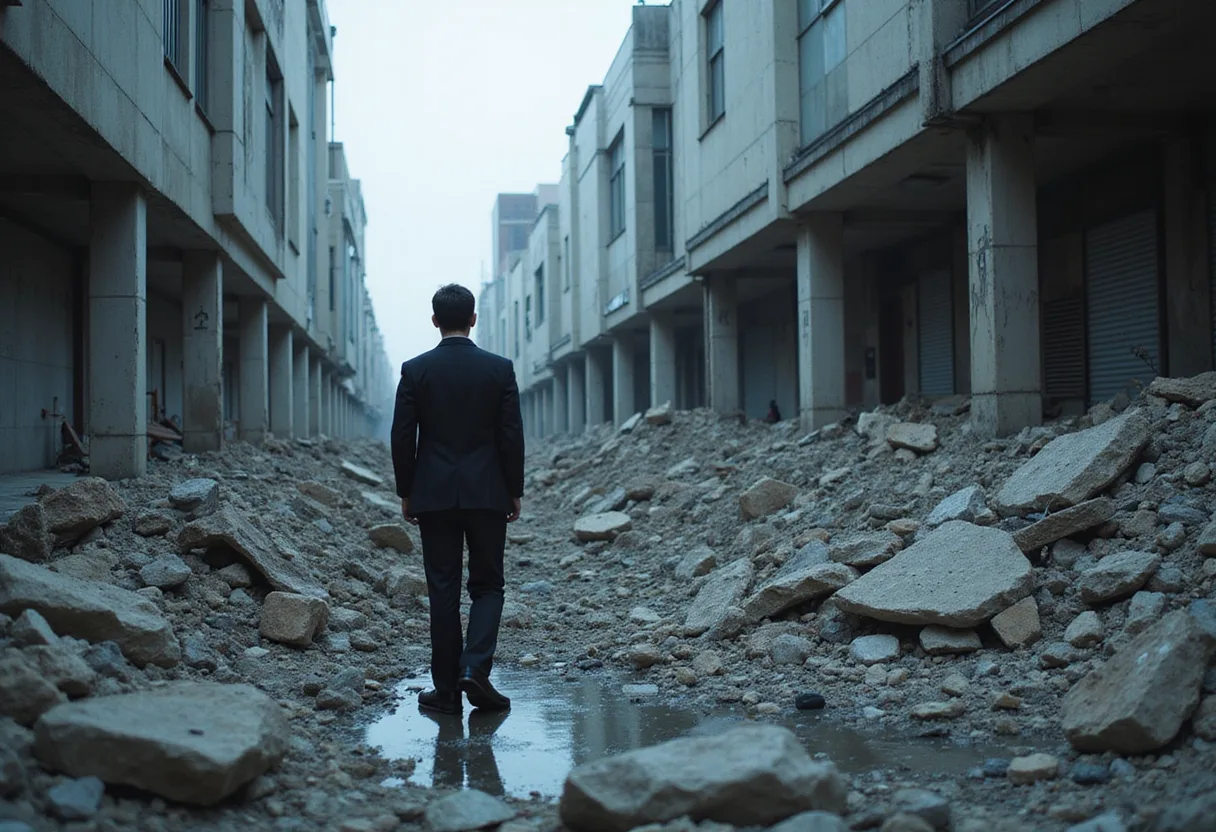
The roughly 60-minute work plays as a single continuous Act without intermission. It reconstructs one morning — 16 June 1976 — from a pre-dawn telephone order, through a peaceful student march in Orlando West, into the police massacre of unarmed schoolchildren, and onward through moral confrontation, priestly lament and communal consecration.
Who made it, and how?
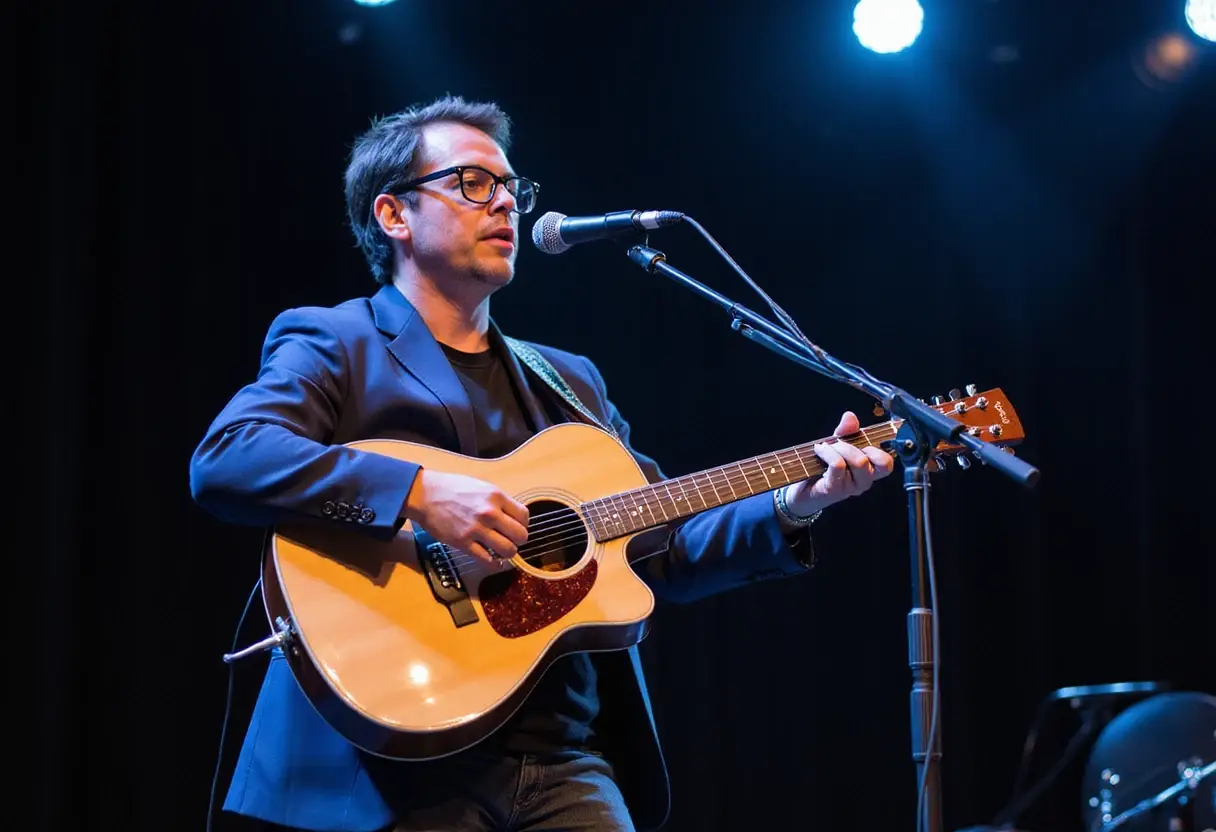
Nkuna composed for specific voices. Operatic bass Sebabalo Zweni takes the lead role of Kobus, the police officer who carries the order to open fire. The cast includes Mbali Khuzwayo, Nduduzo Zondi and Charmaine Nkuna, with Lisa Engelbrecht on piano and Gavaza Ngomane on percussion. It was a collaboration between Wits Music and Wits Film and Television students.
Part One is private and psychological. Kobus, woken at 3:27 a.m. by a cold, commanding voice on the telephone, wrestles in an anguished aria with a conscience torn between orders and humanity. In "Song of the Ash-Heaped Streets," the massacre begins; the fearless Nomsa halts the violence, confronting Kobus in a fierce duet and demanding he refuse his orders rather than hide behind them. Two priests, Sidwell and Rover, debate how to respond without succumbing to despair or rage. When Sidwell learns a boy of twelve is among the dead, he rages at God and vows to carry his anger into the struggle.
Part Two widens into a Requiem-like community liturgy: a Kyrie for the fallen, a Sanctus that consecrates the classroom as sacred ground of resistance, a lament for Hector Pieterson, a defiant "Credo of the Rising" ("They were told to sit. They stood"), and Nomsa's unaccompanied aria asking that her child's death become "seed" and "bread" for a child not yet born. The work closes not in mourning but in "A Jolly Ode to the Brave," urging the audience to carry the names of the fallen "not as a weight, but as a light."
What does the music actually do?
The structural choices are ideological. The chorus sings largely homophonically — a single collective voice rather than four independent parts — expressing the community's moral unity through vocal unity. True polyphonic separation is reserved for named individuals wrestling with private consciences.
The harmonic language is extended tonal: functional key centers persist but are inflected by chromatic clusters and near-atonal dissonance at moments of institutional menace, resolving step by step toward consonance as the drama moves from violence to consecration. Nkuna called the resulting trajectory "a hard-won, unsentimental consummation."
Why did Nkuna write it?
In a speech before the performance, Nkuna said the opera was born of years spent lamenting the lack of South African repertoire depicting the country's own history. His argument reached further than repertoire. In South Africa, he said, the arts have always been in danger, partly because society treats music as entertainment. "Entertainment is what we consume to pass time. It is pleasant, disposable, replaceable," he told the audience. "A society that treats its music merely as entertainment is a society that is throwing away one of its most powerful tools for its own development and healing."
He reminded the hall that the freedom songs of the anti-apartheid struggle were never entertainment. "Music was resistance, music was solidarity, music was, in the most literal sense, survival." Music, he added, is "a technology of emotions."
Nkuna said he wrestled with two compositional problems: how to document the atrocity without collapsing into sentimental consolation or a sanitization of violence that re-victimizes its subjects; and how to make the Western operatic apparatus carry South African testimony without subordinating it to a borrowed form. His answer, he argued, is a work that translates liberation theology and documentary theater theory into compositional method rather than mere theme.
The result is deliberately practical: a chamber-scaled, stageable opera suited to university, festival and touring contexts where full grand opera forces are neither available nor affordable. Fifty years on, "The Fallen Youth" insists June 16 is not a date on a calendar but an open wound and an unfinished inheritance. "You can kill a child," sings Sidwell in the opera's most searing line, "but you cannot kill the truth."
Source: Opera Wire
More from Grace Kim
Show full bio
Correspondent covering technology and product news in arts in the broadest sense at Arts & Voices.
1,012 articles